Thin, golden egg-skin wrappers hand-shaped into crescent crescents around a seasoned pork and water-chestnut filling — Jiangnan's edible stand-in for gold ingots at the New Year table.


Egg-skin dumplings belong to the Jiangnan tradition of crafting auspicious New Year foods that double as visual metaphors for prosperity. The crescent shape mimics the gold and silver ingots — yuanbao — that circulated as currency in imperial China, and presenting a platter at the reunion dinner carries the wish for accumulated wealth in the coming year. The technique of using an egg skin as wrapper rather than dough was a practical solution in a region where wheat flour dumplings were less culturally central than in the north; eggs were plentiful on Jiangnan farms, and the thin omelette skin, formed by swirling beaten egg across a heated iron ladle, required no kneading or rolling. The dish is documented across household cookbooks and food memoirs of the Shanghai and Hangzhou region as an indispensable element of the New Year's Eve table throughout the twentieth century.
The egg skin is silky-tender with a faint savoury richness; the pork-and-water-chestnut filling inside is juicy and lightly sweet, with the water chestnut providing brief snappy resistance against the yielding egg envelope.
The egg skin forms when beaten egg contacts a lightly oiled ladle at roughly 80–90°C: the proteins (mainly ovalbumin and ovotransferrin) begin coagulating within seconds while the surface undergoes mild Maillard browning, producing the characteristic gold colour and thin, pliable sheet. The key is removing the ladle from heat just as the surface turns opaque but before the egg cooks fully rigid — residual heat from the ladle completes the set after filling and folding. Water chestnut in the filling contains high water content and firm cell walls (reinforced by starch granules), which resist full collapse under gentle steaming, maintaining their textural contrast within the softer pork matrix. When braised in stock, the sealed egg pouch acts as a self-basting pocket: internal juices from the meat fill the airspace around the filling, keeping it moist throughout long cooking.
Variations
Shanghainese families who braise egg dumplings in red-cooked pork stock (hong shao) develop a richer, amber-glazed skin; hot-pot versions are added raw to the boiling broth and cook in minutes. Some cooks substitute shrimp paste for part of the pork filling for a coastal-Jiangnan variation; glutinous rice stuffing exists as a sweet dessert variant served at the end of the New Year feast.
On the Palate
Where Egg-Skin Pork Dumplings sits in the Chinese flavor cloud
Ingredients
Serves 4

How it's made
8 steps · 30 min
- 110 min
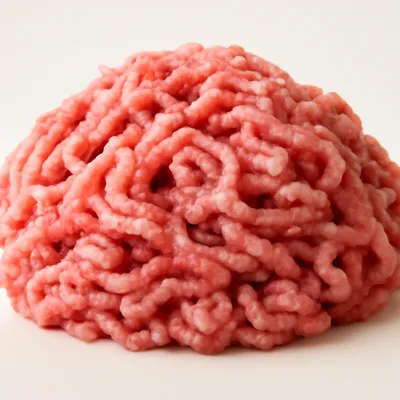
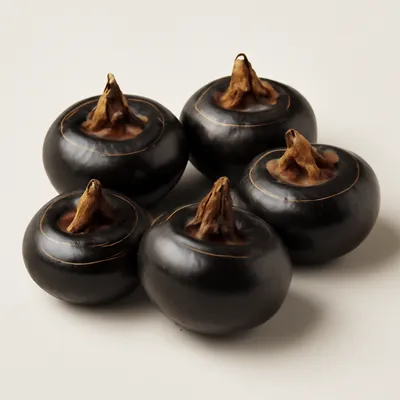
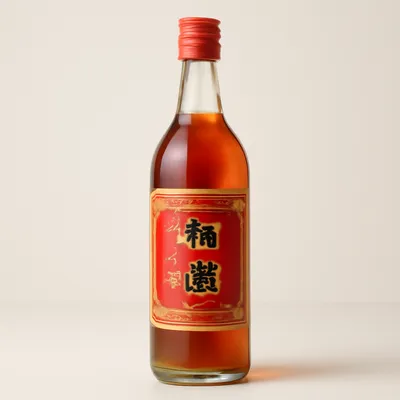
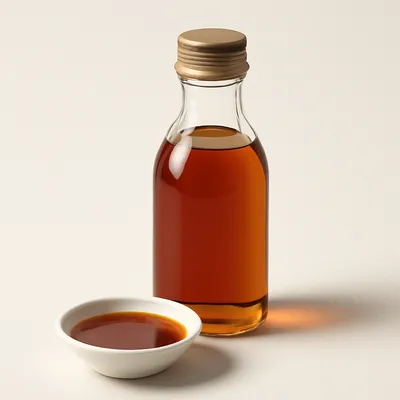
Make the filling: combine minced pork, finely diced water chestnut, minced ginger, light soy sauce, Shaoxing wine, sesame oil, white pepper, and a pinch of sugar; mix vigorously in one direction until sticky.
- 25 min
Beat 6 eggs with a pinch of salt until smooth; have a small ladle, a brush with oil, and a spatula ready by the stove.
- 32 min
Heat the ladle over a low-medium gas flame; brush lightly with oil; pour in about 2 tablespoons of egg mixture, immediately tilting and swirling to coat the base in a thin, round sheet.
Watch outLift the ladle off the heat the instant the egg turns opaque but still looks damp on top — the ladle's leftover heat finishes it, and a fully-cooked skin cracks when you fold.
- 41 min
When the egg surface is just set but still slightly wet on top (about 20–30 seconds), place 1 teaspoon of filling at the centre of the lower half.
- 51 min
Using a chopstick or spatula, fold the upper half of the egg skin over the filling to form a crescent; press the edges gently to seal while the egg is still pliable.
Watch outFold and press the edges while the skin is still soft and slightly tacky — that's the only window the two halves will seal shut on their own.
- 620 min
Set the finished dumpling on a plate to cool; repeat with remaining egg and filling, re-oiling the ladle between each dumpling.
- 710 min
To serve, simmer egg dumplings in light chicken or pork bone stock for 8–10 minutes over low heat until the filling is just cooked through; alternatively, add to braised pork or hot pot.
Watch outSimmer the finished dumplings gently, not hard, until the pork center just cooks through — a rolling boil bursts the delicate egg skin.
- 81 min
Ladle into bowls with the broth; garnish with thinly sliced scallion and a drizzle of sesame oil.
Archive tool suggestions — not reviewed
These legacy suggestions have not been evidence-reviewed and are not presented as required tools.

