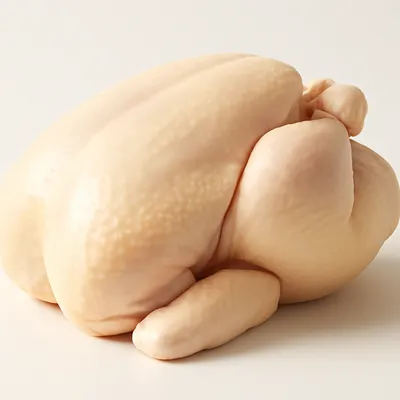
The most prestigious centerpiece of Kongfu banquets: sea cucumber, fish maw, whole chicken, duck, and pork knuckle layered in a great vessel and steamed two hours into a single magnificent communion of flavors. The name was conferred by Qing emperors in recognition of the Kong family's standing as China's first-rank aristocratic household.





The dish takes its name directly from the Qing dynastic rank system. The Kongfu lineage, as hereditary holders of the Duke Yansheng title, enjoyed de facto first-rank official status—the highest in the nine-grade imperial hierarchy. Qing emperors visiting Qufu (Qianlong alone is recorded as having made multiple imperial visits) ate from Kongfu's kitchen. The largest vessel in the mansion's ceremonial banquet set is traditionally said to have been named First-Rank Court Pot by the Qianlong Emperor, with the dish inside taking the same title. It was listed among Shandong's ten canonical classic dishes in the 2018 national China Cuisine evaluation.
Each ingredient—sea cucumber, fish maw, tender chicken, silken duck—carries its own texture but drinks from a common broth; the pot arrives steaming with an oceanic-poultry fragrance that fills the room before a single spoonful is lifted.
Two hours of sealed steam-convection at roughly 100°C allows each ingredient to release soluble proteins and sugars into the shared broth, generating Maillard browning products and umami nucleotides—inosinate from chicken, guanylate from dried sea cucumber—that reinforce each other synergistically. Because the vessel is sealed with steaming paper, volatile aromatic compounds from Shaoxing wine and scallion cannot escape, concentrating fragrance inside. Layering keeps delicate ingredients such as fish maw above the denser proteins so they absorb broth without disintegrating.
Variations
Imperial-era recipes called for shark fin in place of fish maw; post-1949 restaurant revivals substituted fish maw and occasionally glass noodles at the base. The dish is sometimes presented with a whole steamed quail egg in the center to symbolize the pearl within the pot.
On the Palate
Where First-Rank Court Pot sits in the Chinese flavor cloud
Ingredients
Serves 8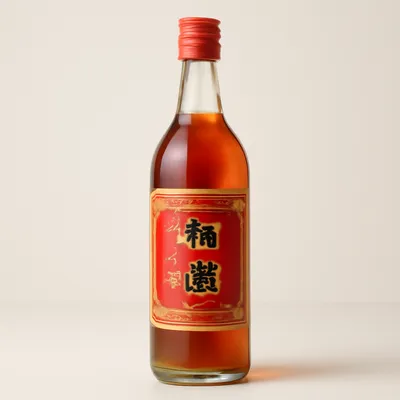



How it's made
6 steps · 1 hour active + 2 hours waiting
- 120 min
Prepare the luxury ingredients: Rehydrate sea cucumber and fish maw by soaking in cold water in the refrigerator, changing water daily, for 2–3 days. On cooking day, blanch briefly in boiling water with Shaoxing wine and ginger to remove any residual fishy aroma.
- 220 min
Parboil the proteins: Blanch chicken, duck, and pork knuckle in separate batches with scallion, ginger, and Shaoxing wine. Drain and rinse, removing impurities and excess fat.
Watch outSkim the scum the moment it rises grey and foamy — once it boils back into the water it clouds the broth for good.
- 315 min
Season and arrange: Rub chicken, duck, and pork with salt and dark soy sauce. Place pork knuckle at the bottom of a large lidded pot; arrange chicken and duck on top, then tuck sea cucumber, fish maw, and bamboo shoots into the gaps.
- 45 min
Add the broth: Pour rich chicken stock to come two-thirds up the sides of the layered ingredients. Add Shaoxing wine, a few drops of sesame oil, and season with salt and white pepper.
- 5120 min
Seal and steam: Seal the pot tightly with damp steaming paper pressed against the rim, then cover with the lid. Place over a steamer and steam vigorously for 2 hours, replenishing the water as needed.
Watch outKeep the steam fierce and the water topped up for the full two hours — if the pot goes off the boil the ingredients stew instead of trading their flavors into the broth.
- 65 min
Garnish and serve: Remove the paper seal at the table for theatrical effect. Arrange blanched pea shoots on top. Ladle the pot at the table so each guest receives a selection of every ingredient with its fragrant broth.
Watch outTear the paper seal at the table while it still billows steam — that rush of trapped wine-and-scallion fragrance is the whole point.
Archive tool suggestions — not reviewed
These legacy suggestions have not been evidence-reviewed and are not presented as required tools.

