
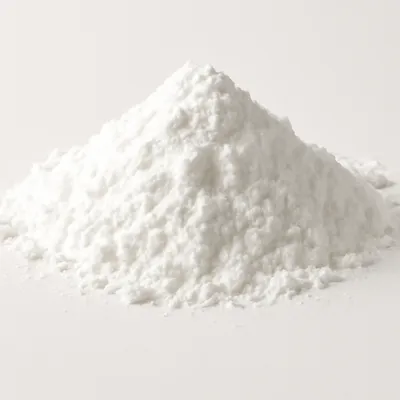
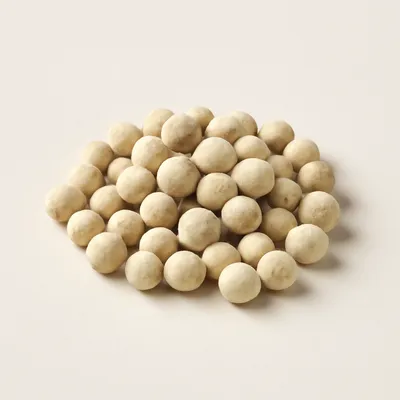
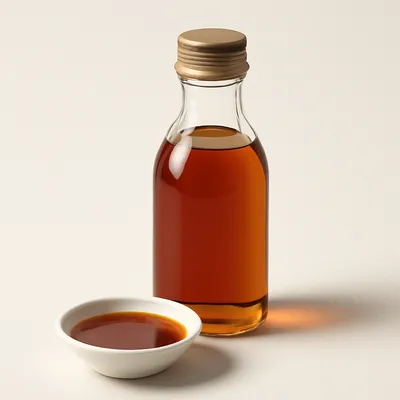
A clear, light Chinese home soup in which raw beaten egg is drizzled in a thin stream into simmering broth, where it sets at once into delicate floating wisps — the egg flowers (蛋花) that name the dish. Seasoned with salt, white pepper, sesame oil and scallion, often with a little cornstarch to keep the wisps suspended. The most basic of Chinese soups: a few cents of egg and stock, ready in minutes.



Egg drop soup has no inventor and no founding date; it is folk cooking in its plainest form, what a home cook makes when there is little but an egg and a pot of stock. The logic is universal — hot liquid plus a drizzled egg needs no recipe — and versions appear across every region of China rather than belonging to one. The named variants are its dressed-up children: 西红柿蛋花汤 (tomato egg flower soup), whose sweet-sour tomato tints the broth pink, and 紫菜蛋花汤 (seaweed egg flower soup), where dried laver and a pinch of dried shrimp add the sea. It is a different dish from Fuzhou egg-swallow soup (蛋燕), in which egg is bound with sweet-potato starch, cooked into a thin sheet, rolled and sliced into ribbons — egg drop soup has no starch sheet and no slicing, only free-floating wisps. It is also distinct from hot and sour soup (酸辣汤), a thicker, vinegared, peppery soup.
The broth is clean and savory, the wisps so tender they barely register before dissolving — a soft cloudiness rather than anything chewy. White pepper warms the back of the throat; sesame oil and scallion sit on top as fragrance. The tell that you got it wrong is texture: if the egg has gone into tough rubbery clumps instead of fine feathery flowers, the stream was too thick or the broth was at a hard boil when the egg went in.
Egg sets because heat unfolds its proteins and lets them re-link into a solid mesh. In egg white the two that matter set at very different temperatures: ovotransferrin, the most heat-sensitive (about 12% of the white), begins to coagulate around 61-65°C, while the abundant ovalbumin (over half the white) needs roughly 80°C; the yolk firms near 65-70°C. Broth at a simmer (around 90-95°C) is well past all of these, so the egg sets the instant it hits the liquid, and the only variable you control is geometry. A thin stream poured from height into gently moving broth is sheared into countless fine threads that each cook through before they collide, giving feathery wisps; dump the egg in at once, or pour into a hard boil, and it coagulates as dense lumps. The optional cornstarch slurry works because egg is denser than water and the set wisps would otherwise sink — thickening the broth raises its viscosity just enough to hold them in suspension and keep the soup clear.
Variations
The bare version is just egg, stock and seasoning. The two famous named variants build on it: 西红柿蛋花汤 (tomato egg flower soup), where tomatoes are softened first so their sweet acidity tints and brightens the broth; and 紫菜蛋花汤 (seaweed egg flower soup), with dried laver and often a pinch of dried shrimp. Other common additions are silken tofu, wood-ear mushroom or a handful of corn. Milk or water beaten into the egg yields softer, paler wisps; in the north the cornstarch is often skipped for a thinner, clearer soup. A thicker, peppery, vinegared cousin becomes hot and sour soup (酸辣汤) entirely.
On the Palate
Where Egg Drop Soup sits in the Chinese flavor cloud
Ingredients
Serves 3
How it's made
7 steps · 5 min
- 12 min
Crack 3 eggs into a bowl and beat thoroughly until the yolk and white are fully blended and a little foamy — a uniform mix makes finer, more even wisps.
- 23 min
Bring 1 L chicken stock (or water) to a simmer in a pot. Season with salt and white pepper to taste.
- 31 min
Optional, for suspended wisps: stir 1 tbsp cornstarch into 2 tbsp cold water, then drizzle into the simmering broth, stirring, until it lightly thickens. Let it return to a gentle simmer.
- 41 min
Turn the heat to medium-low so the broth moves but is not at a hard boil. Stir the broth to set it circling.
Watch outDrop the heat so the broth just shivers and swirls, not a hard boil — a violent boil shatters the egg into muddy grit instead of fine feathery flowers.
- 51 min
Hold the bowl high and pour the beaten egg into the moving broth in a thin, steady stream, stirring gently the whole time so it breaks into fine feathery flowers.
Watch outHold the bowl high and pour the egg in a thin, unbroken thread into the moving broth — the height and the swirl are what shear it into fine silky wisps.
- 61 min
The moment the egg sets (a few seconds), stop stirring and turn off the heat — overcooking toughens the wisps.
Watch outThe egg sets in seconds — kill the heat the moment the wisps bloom; let it keep cooking and they turn tough and rubbery.
- 71 min
Finish with a few drops of sesame oil and a scatter of sliced green onion. Serve hot.
Archive tool suggestions — not reviewed
These legacy suggestions have not been evidence-reviewed and are not presented as required tools.


