Rough, irregular flour dumplings torn by hand and dropped into simmering vegetable or egg broth—the quintessential northern Chinese frugal meal that turns a handful of flour into a filling, warming one-bowl staple.






The flour-drop concept traces directly to 馎饦 (bótuō), recorded in the Northern Wei (386–534 CE) agricultural encyclopedia Qimin Yaoshu (齐民要术): unleavened dough was kneaded smooth, pinched into small segments, and dropped into boiling water—essentially identical to today's 面疙瘩. The technique's broader origins are debated; some scholars suggest influence from northern pastoral peoples during the Wei-Jin period. By the Song Dynasty, hand-pulled noodles had largely eclipsed 馎饦 among urban diners, but the torn-dough method persisted in rural northern China as a frugal household staple. The Qing dynasty novel Sanxia Wuyi (《三侠五义》, attributed to Shi Yukun, published 1879) reportedly includes a reference to 疙瘩汤 being eaten in impoverished households—one of the rare classical literary mentions of this humble dish, whose low status kept it mostly undocumented. Shanghai adopted it during 20th-century hardship years as a one-bowl substitute for the full rice-vegetable-soup meal.
Irregular, homely dough-knobs with soft but gummy resistance—they soak up the broth's savory flavor completely. Earthy and filling in a way that polished noodles simply are not.
The technique relies on controlled hydration: the dough is wetter than a noodle dough (roughly 58–65% hydration) so it remains soft enough to tear into rough lumps by hand. Once dropped into simmering stock, the starch at the surface gelatinizes rapidly, locking in the irregular shape and creating a slightly tacky exterior while the doughy center retains a denser chew. The broth's salt and umami compounds penetrate the freshly gelatinized surface before the interior fully sets—this is why 面疙瘩 absorbs flavor more deeply than smooth, sealed noodles. Keeping the broth at a gentle simmer (not a rolling boil) prevents the dumplings from breaking apart before the exterior is set.
Variations
Northern tomato-and-egg 面疙瘩 is the most common home version—a stir-fried tomato base with beaten egg swirled in at the end. Shanxi households use a vinegar-laced lamb broth. Some Henan cooks rinse the raw dough in water (洗面) first, releasing starch into the broth to thicken it naturally. Shandong dumplings are larger and chewier, more like gnocchi; Shanghai versions are smaller and smoother. Some cooks add spinach or egg to the dough itself for color.
On the Palate
Where Flour-Drop Soup sits in the Chinese flavor cloud
Ingredients
Serves 2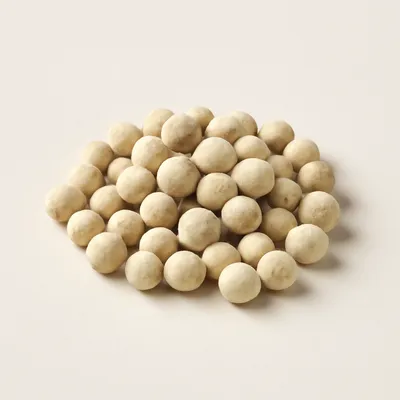

How it's made
7 steps · 10 min
- 120 min
Gradually add water to flour (about 55–60% hydration), mixing with chopsticks until shaggy, then briefly knead into a soft, moist dough—much softer than noodle dough. Cover and rest 15 minutes.
Watch outThe dough should stay slack and sticky enough to tear by hand — stiffen it like noodle dough and the drops turn dense and won't drink up flavor.
- 25 min
Prepare broth base: heat oil in a pot over medium-high, add tomato wedges and stir-fry 3 minutes until they collapse and release juice.
- 33 min
Add water or stock, bring to a boil, then reduce to a steady simmer; season lightly with salt.
- 42 min
Beat two eggs in a bowl; slice scallions.
- 54 min
With wet hands or chopsticks, tear or scrape thumb-sized irregular dough pieces directly into the simmering broth over 2 minutes, stirring gently after each addition.
Watch outTear thumb-sized rough lumps straight into the pot and stir after each batch so they don't clump — irregular edges are what grab the broth.
- 65 min
Simmer 3–4 minutes until all dumplings float and are cooked through; while stirring in a slow circle, pour the beaten egg in a thin stream to form ribbons.
Watch outDrizzle the beaten egg in a thin thread while the broth spins slowly — pour it into still liquid and you get lumps instead of soft ribbons.
- 73 min
Taste, adjust salt and white pepper; ladle into bowls and top with sesame oil and scallion.
Archive tool suggestions — not reviewed
These legacy suggestions have not been evidence-reviewed and are not presented as required tools.


