
Kkwong memil-kalguksu is a Jeju noodle soup of hand-cut buckwheat noodles in a broth made from pheasant. Wild pheasant was long the island's most accessible game, and its lean, clean-flavored meat simmers into a light, savory stock; the buckwheat that grew on Jeju's volcanic ground becomes the dough, rolled and knife-cut into rustic, slightly grey noodles. The result is gentler and earthier than a chicken kalguksu — quietly gamey, with the toasty bite of buckwheat. It belongs to the older, grain-and-game table of the island rather than its seafood headline.





Buckwheat is the grain of old Jeju: it thrives in the island's thin volcanic soil where rice could not, and it underlies a whole family of local dishes from memil-guksu to bingtteok. Pheasant, plentiful in the island's scrub and hills, was the everyday game that ordinary families could catch, and pheasant broth carried real meatiness in a place where livestock was costly. Pairing the two — knife-cut buckwheat noodles in pheasant stock — was a natural marriage of what the land gave. The dish reflects Jeju's subsistence past more than any restaurant invention.
The broth is clear and softly savory, the pheasant lending a leaner, more delicate meatiness than chicken. The noodles are tender with a faint chew and that distinctive nutty, slightly grainy buckwheat flavor, and a scatter of pepper and scallion keeps the bowl bright and warming.
Pheasant is lean, so the bird is simmered with aromatics long enough to draw out a savory but light stock without muddiness. Buckwheat has little gluten, so the dough is usually cut with some wheat flour and rested so it can be rolled and knife-cut without crumbling; the noodles are cooked straight in or briefly in the broth, and their starch lightly thickens and clouds it. Cooking the noodles in the pheasant stock lets them soak up its flavor rather than dilute it.
Variations
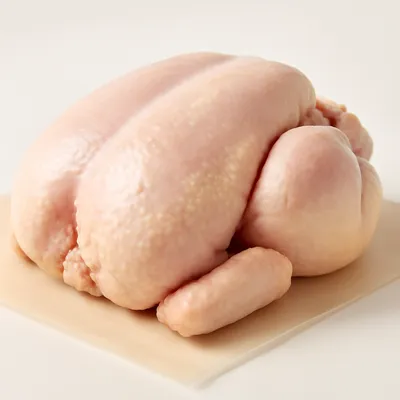
Chicken stands in for pheasant in many modern kitchens, where wild birds are scarce. Some versions add sliced zucchini, potato or perilla, while leaner ones stay close to broth and noodles alone. The dough's buckwheat-to-wheat ratio varies — a higher buckwheat share gives a darker, more fragile, more flavorful noodle. A fiery variant tosses the cooked noodles with a chili dressing instead of serving them in soup.
On the Palate
Where Kkwong Memil-kalguksu sits in the Korean flavor cloud
Ingredients
Serves 4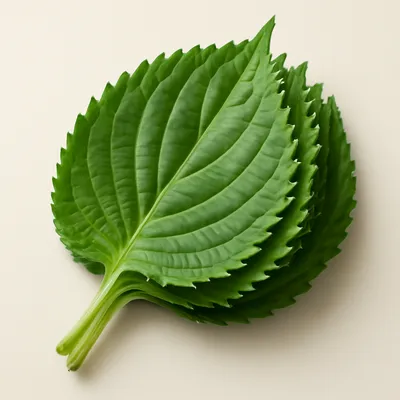
How it's made
6 steps · 40 min
- 155 min
Simmer pheasant with scallion, garlic and ginger to make a clear, savory stock; lift out the meat and shred it.
- 220 min
Mix buckwheat flour with some wheat flour, salt and water into a stiff dough and rest it covered.
Watch outCut the buckwheat with some wheat flour and rest the dough — buckwheat has little gluten and crumbles when rolled and cut on its own.
- 315 min
Roll the dough thin, dust with flour, fold and cut into narrow knife-cut noodles.
- 45 min
Bring the strained pheasant stock back to a boil and season with soup soy sauce and salt.
- 58 min
Cook the noodles directly in the simmering stock until tender, stirring so they don't stick.
Watch outCook the noodles right in the pheasant stock, stirring so they don't stick — they drink up its flavor as their starch lightly clouds the broth.
- 63 min
Ladle into bowls, top with the shredded pheasant, scallion and ground pepper, and serve hot.
Archive tool suggestions — not reviewed
These legacy suggestions have not been evidence-reviewed and are not presented as required tools.


