
Half-moon glutinous rice cakes filled with sweetened sesame, chestnut, or red-bean paste, steamed over a bed of pine needles (sol-ip) that perfumes them and prevents sticking — Chuseok harvest tradition.
Songpyeon is a Chuseok food — Korea's autumn harvest festival on the 15th day of the 8th lunar month. The dish traces to at least the Goryeo dynasty (10-14th c.); pine needles were the practical solution for steaming a sticky dough without a perforated mat, and the resin happened to perfume the cake. Each region has its own filling — sesame and chestnut in Seoul/Gyeonggi, bean paste in Jeolla, mung bean in Gangwon. Half-moon shape recalls a waxing moon: hopeful, not finished.
A Chuseok cake from at least the Goryeo dynasty (10-14th c.). Pine needles weren't garnish — they were the practical lattice that let steam through without a perforated mat, and the resin happened to perfume the rice. Half-moon shape recalls a waxing moon, hopeful not finished. Hot-water knead is what makes the dough plastic; cold water cracks.
Bite through the slick, glossy outer skin — chewy, dense, not a dumpling skin but tighter — and you hit the filling: toasted-sesame paste warm and sandy, or chestnut soft and yellow, or red bean grainy-sweet. The whole thing tastes faintly of pine — resinous, almost herbal, from the steam carrying needle oils into the rice. A good songpyeon is firm but yielding; if it's gummy and shapeless the dough was overhydrated, if it cracks the dough was kneaded cold.
Two things make songpyeon work. First, hot-water kneading: boiling water gelatinizes part of the rice starch on contact, so the dough is plastic and self-adhering instead of crumbly. Cold water dough cracks. Second, the pine needles aren't garnish — they're a non-stick lattice that lets steam circulate and infuses the cake with terpene aromatics. Without needles you need a perforated cloth and you lose the signature scent.
Variations
Seoul/Gyeonggi runs sesame and chestnut fills; Jeolla uses bean paste; Gangwon prefers mung bean; Jeju adds memil flour for darker dough; ohgaek-songpyeon tints five doughs with mugwort, gardenia, beet, charcoal.
On the Palate
Where Songpyeon sits in the Korean flavor cloud
Ingredients
Serves 6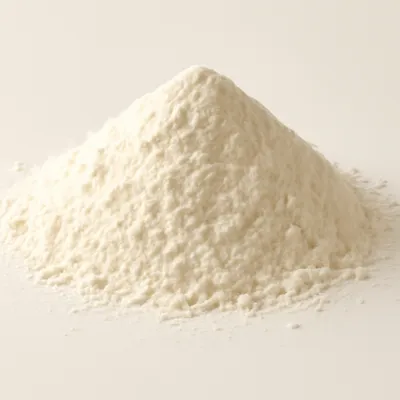






How it's made
5 steps · 1 hour active + 30 min waiting
- 112 min
Pour 200ml just-boiled water into 300g glutinous rice flour with 1/2 tsp salt. Stir with chopsticks, then knead 8 minutes by hand until smooth, soft, non-sticky. Cover with damp cloth — do not refrigerate.
Watch outKnead with the just-boiled water while it's hot — the boiling water half-cooks the starch so the dough turns smooth and stretchy; cold-water dough stays crumbly and cracks when you fold it.
- 28 min
Filling: toast 80g sesame seeds, crush coarsely, mix with 30g sugar and 1 tbsp honey. Or: mash 100g cooked chestnuts with 30g sugar. Or: 100g sweet red bean paste. Pick one or split the dough three ways.
Watch outToasting sesame seeds too long can lead to a bitter flavor.
- 325 min
Pinch off 15g balls of dough. Flatten to a 6cm disc, hollow the centre with a thumb. Drop in 1 tsp filling. Pinch edges closed and shape into a half-moon — narrow ridge on top, plump belly. Aim for clean, even crescents (folk superstition: well-shaped songpyeon means a pretty future daughter).
- 45 min
Rinse 2 cups fresh pine needles thoroughly — discard any brown ones. Layer half in a steamer basket. Place songpyeon 1cm apart on the needles. Cover with remaining needles.
Watch outEnsure the pine needles are fresh to avoid any off-flavors.
- 530 min
Steam over rolling-boil water 25 minutes — songpyeon turn translucent. Lift out, rinse briefly under cold water to firm the surface, then brush with sesame oil to gloss. Pick off any clinging needles before serving.
Watch outSongpyeon are done when they turn from opaque white to translucent all through — then rinse cold at once to firm the surface so they don't stick together.
Archive tool suggestions — not reviewed
These legacy suggestions have not been evidence-reviewed and are not presented as required tools.


