Gamja Jeon
“Gangwon-style potato pancake made from finely grated raw potato — no flour, no egg — bound only by its own released starch, fried in a thin oil film until the edges turn glassy and the inside stays sticky-translucent.”
Where it comes from
Gamja jeon is mountain-cuisine from Gangwon-do — Korea's potato belt, where the volcanic soil and cool summers favour high-starch potatoes (the variety 수미 sumi was bred for this region). The flourless technique is older than the wheat-batter jeon of the south: before wheat was widely affordable, Gangwon farmers' pancake meant grated potato, full stop. The dish is closely associated with the mountain village of Pyeongchang and the Hanwoo cattle towns of the east coast.
On the plate
The edge breaks like brittle glass; the centre stretches a little — closer to mochi than mashed potato. Flavour is austerely potato-and-salt, with the chili slivers giving brief grassy heat. The dip is the only sharp thing on the plate, and it has to be there. A failed gamja jeon is mealy, dry, falls apart on the flip; the cause is always the same — the released starch was thrown away with the water instead of returned to the pulp.
How it works
The trick is that grated potato releases two things — water and starch — and the starch is what holds the pancake together. Squeezing out the water is correct; throwing it away is the mistake. Letting the liquid sit lets the starch sediment, and that paste, scraped back into the pulp, is the binder. This is why the dish needs no flour or egg: it's bound by potato starch reactivated by heat, the same mechanism as making a clear potato noodle.
Gangwon mountain food. The bound-by-its-own-starch trick predates wheat-batter jeon — squeeze the grated potato, let the liquid settle, scrape the sediment back into the pulp. That paste is the only binder.
Variations
Pyeongchang highland version stays plain; coastal Gangneung adds shucked clams; Jeongseon market stalls fold in chive and chili; modern Seoul gastropubs grate in zucchini for moisture.
On the Palate
Ingredients
Serves 2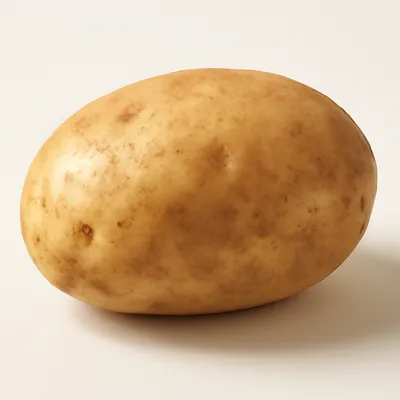




How it's made
6 steps · Show ↓25 min active · 5 min waiting
How it's made
6 steps · Show ↓- 18 min
Peel 600g starchy potatoes (Korean 수미 sumi or russet). Grate on the fine side of a box grater into a bowl set on a scale.
- 26 min
Pour the grated potato into a fine sieve over a bowl. Press hard to extract the watery liquid — about 200ml. Let the liquid stand 5 minutes; a chalky white starch will settle to the bottom.
- 32 min
Pour off the clear water and discard. Scrape the wet starch from the bowl back into the pressed potato pulp. Add 1/2 tsp salt and stir — the mixture turns sticky and faintly grey-pink (it oxidizes; this is correct).
- 42 min
Heat 2 tbsp neutral oil in a 20cm non-stick pan over medium. Drop in half the mixture and flatten to a 15cm round, 1cm thick. Press a few slivers of green chili and red chili on top for colour.
Watch outEnsure the oil is not too hot to prevent burning the pancake before it cooks through.
- 59 min
Fry 5 minutes — do not move it — until the underside is deep gold and the rim turns translucent. Flip; fry 4 more minutes. The inside should be glassy and slightly chewy, not mealy.
Watch outAvoid flipping too early; the pancake needs to form a crust to hold together.
- 61 min
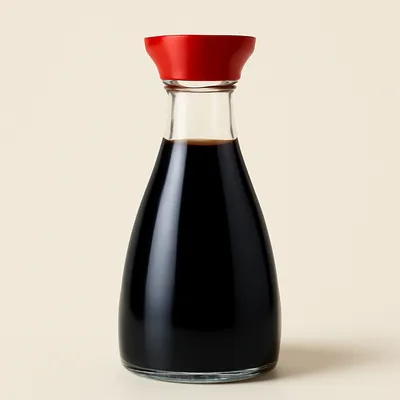
Serve immediately with a soy dip (soy sauce, rice vinegar, sliced chili, sesame seeds). It loses its texture in 10 minutes.