

Created in Busan during the 1950–53 Korean War. Refugees from the North wanted naengmyeon (cold buckwheat noodles, a Pyongyang dish) but couldn't get buckwheat south of the 38th parallel — so they substituted wheat flour, often US aid flour, and added a sweeter, thicker broth built mainly on pork bones. The result became a Gyeongsang regional dish, distinct from its northern parent.
Born in Busan during the 1950–53 war, when northern refugees couldn't get buckwheat south of the 38th parallel and substituted wheat — often US aid flour. Wheat is chewier and holds the cold longer, so the broth had to hit harder; the gochujang dollop is a Busan invention, not Pyongyang.
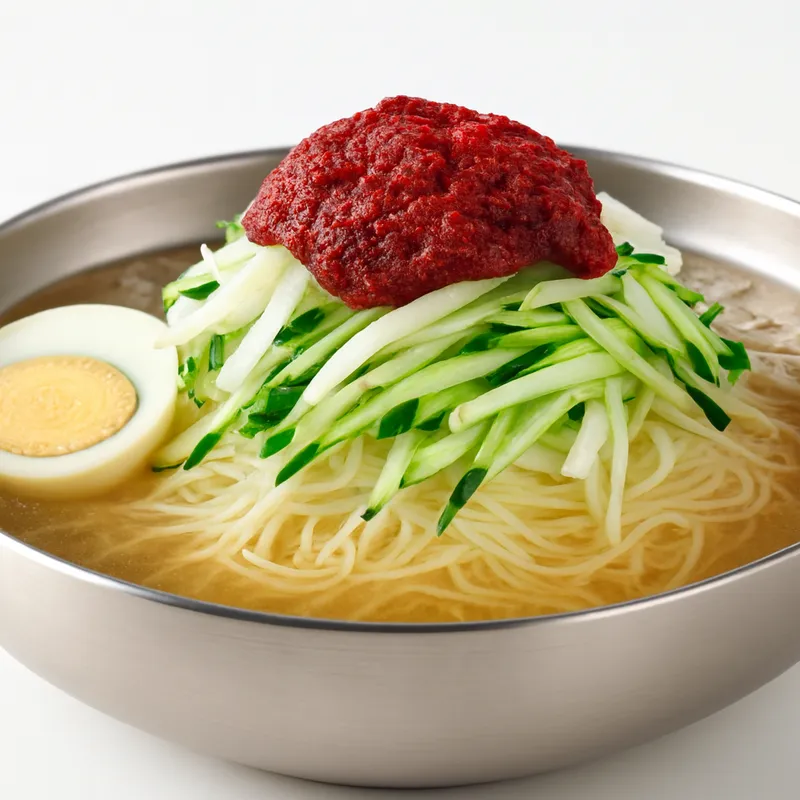
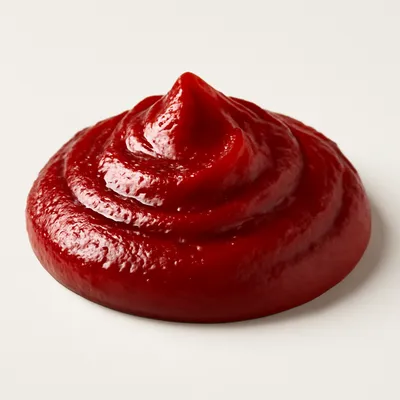
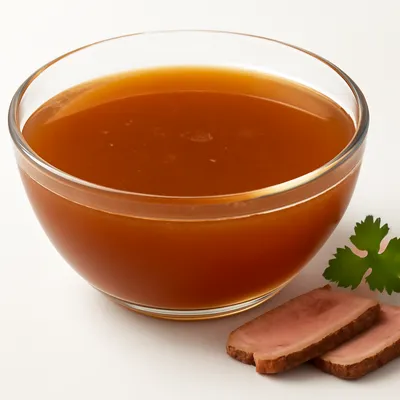
Wheat noodles in a chilled broth built mainly on pork bones (with beef bones and chicken) simmered with star anise and other medicinal herbs, slushy with shaved ice. Cucumber matchsticks, Asian pear, half a boiled egg, a spoon of red gochujang paste on top. You stir the paste in yourself — broth turns from clear amber to muddy pink. Cut the noodles with the table scissors before eating; uncut, the bowl is a fight.
Wheat noodles behave nothing like buckwheat: they're chewier, hold the cold longer, and don't blunt seasoning the way buckwheat does — so the broth has to hit harder. Busan cooks compensate with more sugar, more pork-bone body (with beef bone and chicken), and the gochujang dollop on top, which is not traditional in northern naengmyeon. Wheat is the whole reason for that flavor profile.
Variations
Busan Naepo-dong style (sweeter, beefier broth, gochujang on top); Goryeo-myeon at Gaya milmyeon shops (anise-heavier broth); Daegu variant skews spicier; bibim-milmyeon (no broth, just gochujang sauce, mixed dry).
On the Palate
Where Milmyeon sits in the Korean flavor cloud
Ingredients




How it's made
5 steps · 1 hour 30 min
- 130 min
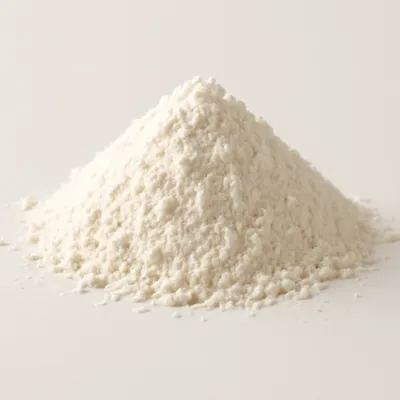
Mix wheat flour with water to form a dough and let it rest.
- 24 min
Roll out the dough and cut into thin noodle strands.
- 38 min
Boil the noodles until just tender, then rinse under cold water.
Watch outBite one strand — it should be tender through but still bounce back; then dunk into cold water at once.
- 45 min
Prepare the broth by combining gochujang, soy sauce, vinegar, sesame oil, and minced garlic.
- 530 min
Chill the broth and serve over the noodles with sliced cucumber, Asian pear, and a boiled egg.
Watch outThe broth should be almost painfully cold going over the noodles; add a little shaved ice if it's warmed up.
Archive tool suggestions — not reviewed
These legacy suggestions have not been evidence-reviewed and are not presented as required tools.