
Gyeongsang Korean
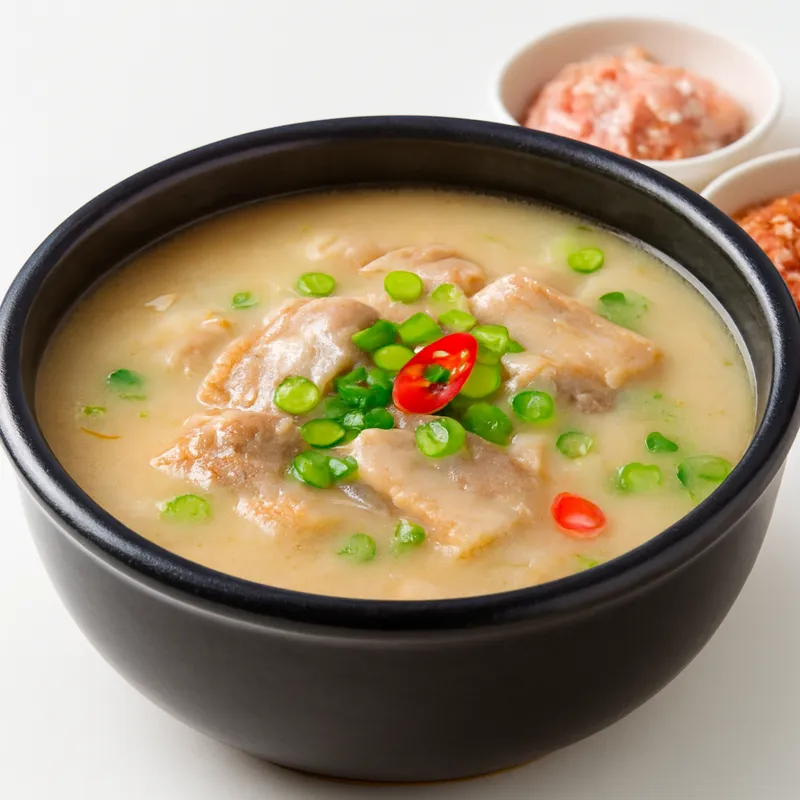
Dwaeji Gukbap: pork soup, savory warmth.
Dwaeji Gukbap
A hearty pork and rice soup that embodies the bold, salty flavors typical of Busan's port-city pragmatism.
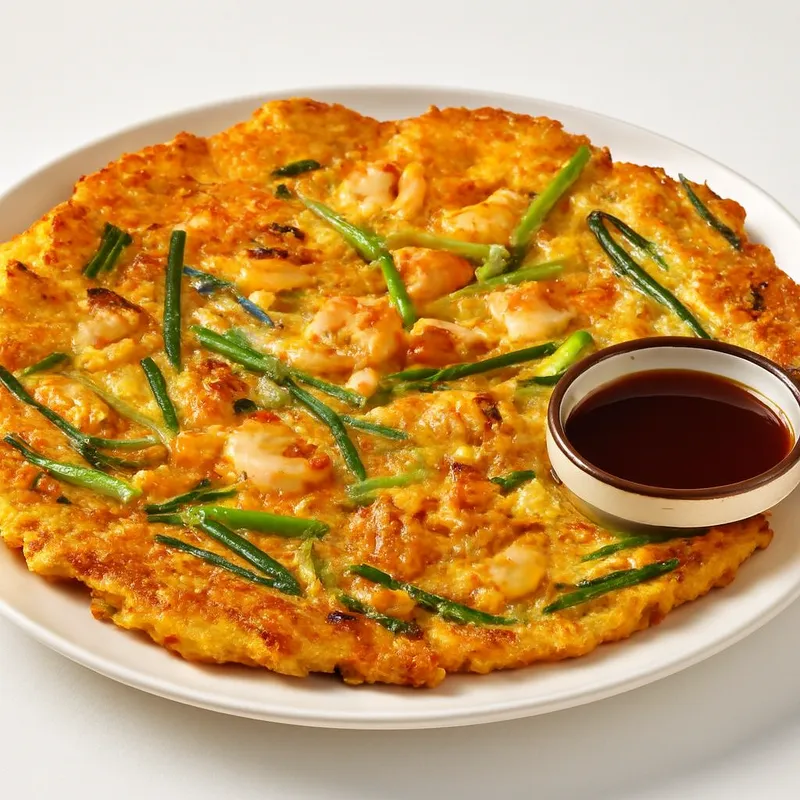
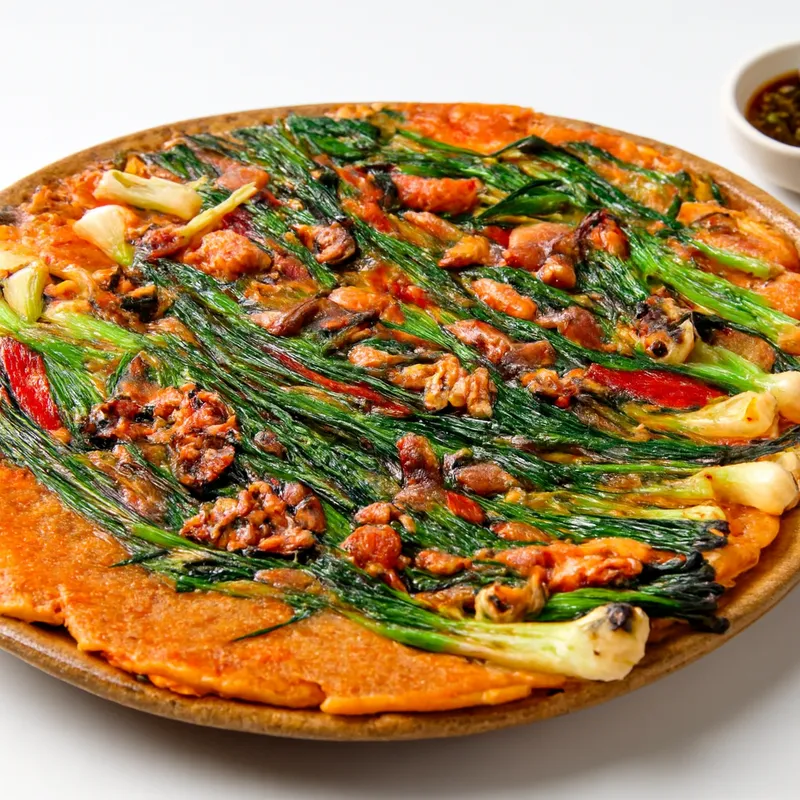
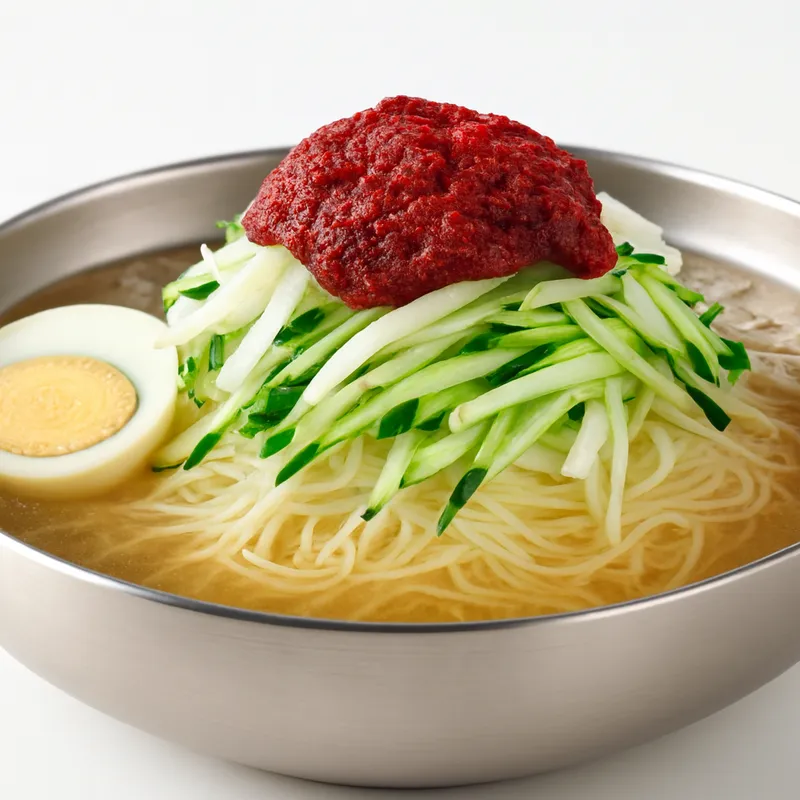
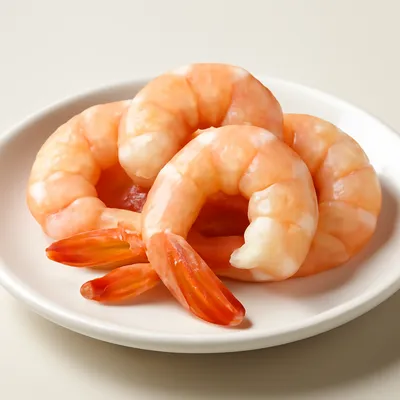
View page →Gyeongsang province in the southeast, anchored by the port city of Busan, is Korea's seafood-driven region, and its food is known for being saltier, spicier, and plainer-seasoned than the elaborate banchan spreads of Jeolla to the west. Busan's signature is dongnae pajeon, a thick scallion pancake studded with squid, shrimp, and other shellfish, fried crisp and eaten with a soy dip. Dwaeji gukbap is the everyday Busan bowl — pork-and-bone broth simmered milky, poured over rice and served with salted shrimp and chives to season at the table. Milmyeon, chewy wheat noodles in an icy broth with a spicy gochujang sauce, was created here by northern refugees during the Korean War as a substitute for hard-to-find buckwheat. The cooking leans on raw and grilled fish, fermented anchovy and shrimp for salt, and a directness that matches the working-port character of the coast.
Start Here
A crispy yet savory pancake brimming with fresh scallions and an array of seafood including squid, shrimp, and mussels, complemented by a tangy soy sauce dip.
Why start here · This dish captures the maritime side of Gyeongsang by combining seafood and local ingredients, with a taste that is both traditional and deeply rooted in the port culture.
A hearty soup of tender pork belly and bones, simmered until rich and served over a bowl of short-grain rice, deepened with the umami of doenjang and the briny kick of salted shrimp.
Why start here · This dish captures the essence of Gyeongsang's blend of land and sea, offering a rich, umami-packed experience that is quintessentially Busan.
A refreshing bowl of cold wheat noodles garnished with crunchy cucumber, sweet Asian pear, and a spicy gochujang-infused broth, crowned with a boiled egg.
Why start here · Made for hot summer days, Milmyeon shows the inventive side of Gyeongsang, refreshing and satisfying with minimal yet impactful ingredients.
The Pantry







See all 102 ingredients›











Fruits

Herbs & Spices







Grains & Staples





Dairy & Fats






How They Cook
Techniques that define this cuisine
See 9 more techniques›
Other regions
Siblings within Korean — each its own tradition.