
Heot-jesa-bap, literally fake ancestral-rite rice, is Andong's quiet, scholarly answer to bibimbap: the foods of a Confucian memorial table, but eaten without a rite ever being held. Rice is tossed with seasoned namul, grilled skewers (sanjeok), pan-fried jeon, and a clear tang soup, and seasoned not with gochujang but with soy sauce, the way ritual food is kept plain and pure. It is mild, balanced, and deeply tied to Andong's heritage as the heartland of Korean Confucianism. The result tastes restrained and refined, more temple than street.


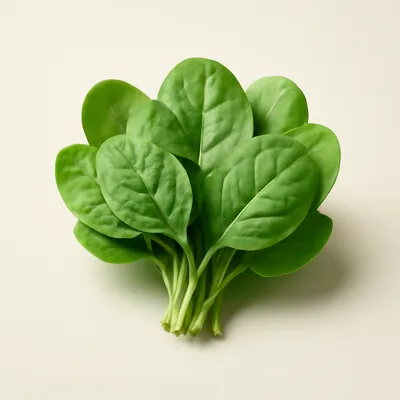


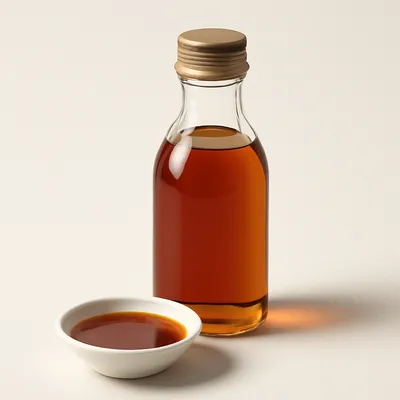
Heot-jesa-bap is bound up with Andong's identity as a center of Korean Confucian (Neo-Confucian) culture, where prominent clans held ancestral rites many times a year and afterward shared the offering food, often mixed into rice. Two origin accounts are commonly told: that scholars, craving the rich ritual foods, would lay out a memorial table and go through the motions without a real rite so they could eat the dishes; and that commoners who could not afford to hold rites made the ceremonial food anyway simply to enjoy white rice and the spread. Either way the defining trait is fidelity to ritual cooking, which is seasoned with soy sauce and kept free of gochujang or strong spice. Around 2000, restaurants began offering gochujang and kimchi on the side to suit tourist palates, a modern addition rather than part of the original dish.
Gentle and layered rather than punchy: warm rice mingling with the earthy chew of mountain namul, smoky bites of grilled skewer, and the soft savor of jeon, all pulled together by nutty sesame and the clean salt of soy sauce. There is no chili burn, so each element reads clearly, finishing calm and wholesome.
The dish is an exercise in balance through gentle seasoning. Each namul is blanched and dressed separately so its own flavor and texture stay intact, and soy sauce rather than gochujang provides salt and umami without masking the vegetables; the absence of chili is deliberate, mirroring the restraint of ritual food. Mixing rice, namul, jeon, and skewers just before eating distributes the sesame oil and soy seasoning evenly, while the clear tang soup adds warmth and moisture that loosen the rice and tie the components into one harmonious bowl.
Variations
The spread varies by household and restaurant but typically centers on assorted namul, sanjeok skewers, jeon, a boiled egg, tofu, and a clear soup, all served with soy seasoning. Some versions include a small dish of dotori-muk (acorn jelly), and Andong restaurants often pair it with the city's salt-cured mackerel. Modern tables add gochujang and kimchi on request, though purists keep to soy sauce alone.
On the Palate
Where Heot-jesa-bap sits in the Korean flavor cloud
Ingredients
Serves 2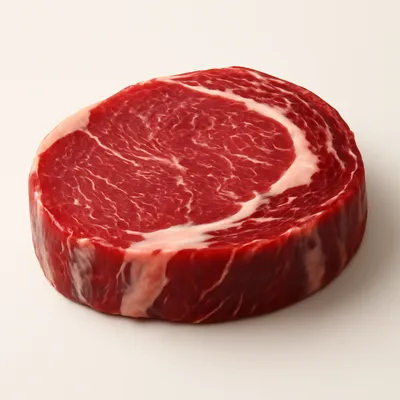



How it's made
6 steps · 50 min
- 118 min
Blanch and season each namul separately with soy sauce, sesame oil, garlic, and sesame seeds.
Watch outSeason each namul separately, tasting as you go — the whole dish lives on gentle balance, so keep the hand light; one over-salted namul throws off the mixed bowl.
- 28 min
Skewer and grill the sanjeok of beef and vegetables until lightly charred.
- 38 min
Pan-fry the jeon, such as tofu or vegetable fritters dipped in egg.
- 410 min
Simmer a clear tang soup seasoned lightly with soy sauce.
- 53 min
Place warm rice in a bowl and arrange the namul, sanjeok, and jeon on top.
- 63 min
Serve with a boiled egg and soy sauce, mixing everything together to eat with the soup.


