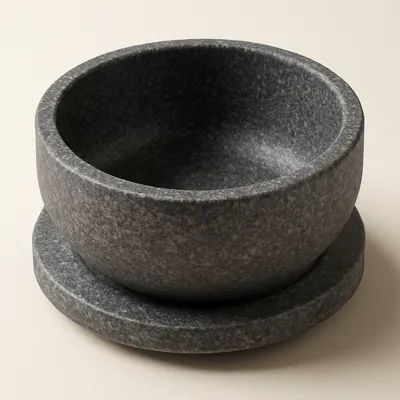
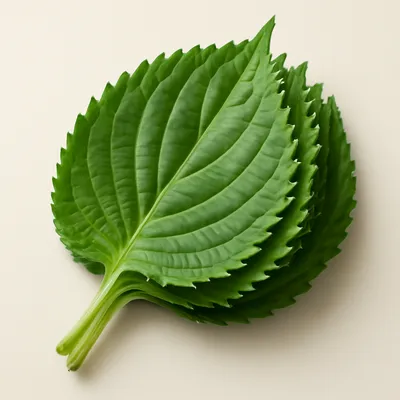
Hoedeopbap is a rice bowl of cubed raw fish and crisp vegetables, dressed with a sweet-tangy gochujang sauce and mixed thoroughly at the table before eating. It is essentially sashimi turned into bibimbap: a bed of rice topped with diced white fish or salmon, shredded lettuce, cucumber, perilla, seaweed and often a raw egg yolk, all bound together by spicy-sour chojang. Popular in seafood restaurants and casual diners, it is a refreshing, cold-and-warm dish that turns a small amount of raw fish into a full, satisfying meal. The pleasure is in the toss — every grain ends up coated in sauce and studded with fish and crunch.

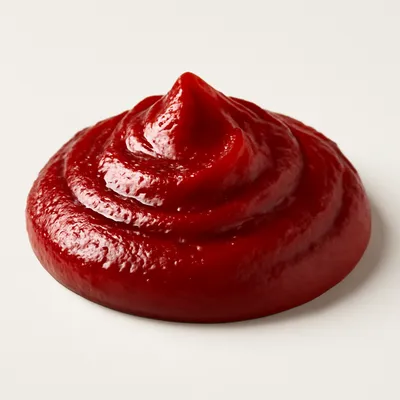


Hoedeopbap grew out of two deep-rooted Korean habits: eating fresh raw fish as hoe, and mixing rice with vegetables and gochujang as bibimbap. Coastal and fishing communities, where raw fish was plentiful, naturally combined offcuts and trimmings of hoe with rice and the ubiquitous chili-vinegar sauce, stretching prized seafood into a filling bowl. As raw fish became widely available inland through modern distribution, the dish spread to seafood houses and everyday restaurants across the country. It is best understood as a thrifty, refreshing offshoot of the hoe-and-bibimbap traditions rather than a dish with a single fixed origin.
Each spoonful is a study in contrast: cool, slippery cubes of fish against crisp cucumber and lettuce, soft warm rice against crunchy seaweed, all unified by a sauce that is sweet, sour, garlicky and gently fiery. The raw fish is clean and faintly briny, the vegetables green and bright, and the gochujang dressing ties it into one savory-sweet, refreshing whole. A raw yolk, if added, makes the toss creamy and rounds the heat.
The dish works by balance and contrast rather than cooking: cold raw fish and chilled vegetables against warm rice, soft against crunchy, with the acidic, sweet, spicy chojang acting as the unifying dressing. The vinegar in the sauce both brightens the fish and lightly firms its surface, while the sugar and gochujang round the sourness and add body. Cutting the fish and vegetables to a similar small dice ensures every mixed spoonful carries the full range of textures and flavors, and vigorous tossing coats each grain of rice so nothing tastes bare.
Variations
The fish varies with what is fresh — white fish like flounder or sea bream, salmon, tuna, or a mix — and the vegetables shift with season and cook. A simpler everyday version uses just lettuce, cucumber and seaweed flakes; richer ones pile on flying-fish roe, abalone or sea squirt. Salmon hoedeopbap is a popular modern variant, and the same assembly without raw fish, using cooked toppings, becomes an ordinary mixed-rice bowl.
On the Palate
Where Hoedeopbap sits in the Korean flavor cloud
Ingredients
Serves 2How it's made
6 steps · 25 min
- 16 min
Cut fresh raw fish into small, even cubes and keep chilled.
Watch outCut the raw fish into even dice and keep it cold right up to serving — warm fish softens and goes mushy against the hot rice, losing the firm bite the bowl needs.
- 26 min
Shred lettuce and perilla, and julienne cucumber and other crisp vegetables.
- 34 min
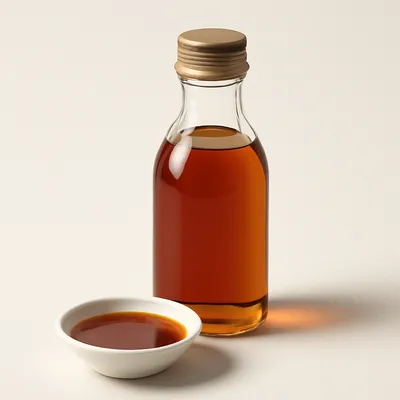
Whisk a chojang dressing of gochujang, vinegar, sugar, sesame oil and garlic.
- 43 min
Mound warm rice in a bowl and arrange the fish and vegetables on top.
- 53 min
Add toasted seaweed, sesame seeds and a raw egg yolk if using.
- 63 min
Pour over the chojang and toss everything thoroughly at the table before eating.
Watch outToss everything hard at the table so the chojang coats every grain — a lazy mix leaves bare rice and dressing pooled at the bottom.
Archive tool suggestions — not reviewed
These legacy suggestions have not been evidence-reviewed and are not presented as required tools.