
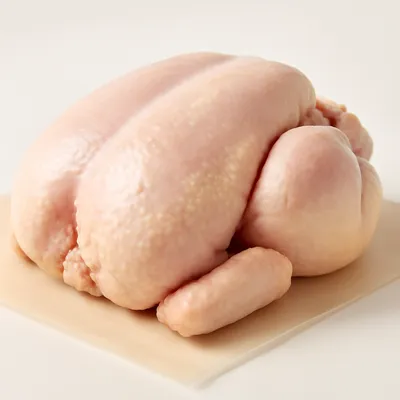
Yetnal-tongdak — old-style whole chicken — is the plain fried bird of an earlier Korea, a whole chicken cut into parts, lightly battered or floured, and deep-fried until crackling all over. This is the chicken that came before sauced yangnyeom and before the franchise era: no glaze, no crust of cornstarch, just salt, pepper and hot oil, served with cubed pickled radish, a paper cup of salt-and-pepper for dipping, and often crisp-fried rice cakes and gizzards from the same pot. Sold cheap from old market stalls and traditional fry shops, it had a strong revival from around 2010 as a value-for-money throwback.





Korea's modern chicken story runs from the electric rotisserie whole birds that appeared in Seoul around 1960, through a turn to deep-frying after locally made soybean cooking oil arrived in quantity in 1971, which made frying a whole bird in oil affordable and popular. The first fried-chicken chain opened in 1977 serving Western-style cut-and-fried pieces, and the sauced yangnyeom style and the franchise boom followed in the 1980s. Yetnal-tongdak is the name later given, in nostalgic retrospect, to that pre-franchise market-stall bird — plainly fried, sold whole, no sauce. It is folk food rather than an invented dish, and it had a notable comeback from around 2010 as an inexpensive, retro alternative to franchise chicken.
All shatter and clean chicken flavor. The thin coating fries to a brittle, lacy crust with no thick batter to get in the way, so each piece snaps and then gives juicy, well-seasoned meat. Salt and pepper do all the seasoning — no sweet, no sticky sauce — and a dip in the salt-and-pepper cup sharpens it further. Eaten hot from the fryer it is greasy in the good way, crisp-skinned and homely, the rice cakes from the same oil chewy-crisp alongside.
The point is a thin coating and a clean fry, not the thick, shatter-for-hours shell of modern Korean fried chicken. Cutting the bird into parts lets it cook through evenly in the oil; a light dusting of flour or a thin batter dries the skin's surface so it crisps fast and seals juices without building a heavy crust. Plain salt-and-pepper seasoning, rather than a sugar-bearing sauce, keeps the crust dry and crackly. Some cooks fry once at a moderate heat to cook the meat and again hotter to crisp, the same double-fry logic that drives off surface moisture for a drier, sturdier crunch. Frying rice cakes and gizzards in the same oil is part of the tradition.
Variations
The plainest form is salt-and-pepper whole-bird tongdak; many shops also batter more heavily for a thicker crust, or finish the same fried bird in a sweet-spicy glaze to make yangnyeom chicken, the sauced descendant. Garlic-fried and soy-glazed versions exist, and the fryer almost always turns out crisp tteok and gizzards as sides. It sits beside the franchise Korean fried chicken as its plainer, older ancestor; the same whole-bird rotisserie tradition it grew from still survives as jeongi-gui tongdak, the electric-grilled whole chicken.
On the Palate
Where Yetnal Tongdak sits in the Korean flavor cloud
Ingredients
Serves 3How it's made
8 steps · 40 min
- 110 min
Cut a whole chicken into serving pieces, rinse and pat thoroughly dry.
- 215 min
Season the pieces all over with salt and pepper and let them sit briefly.
- 35 min
Dust lightly with flour, or coat in a thin flour-and-water batter, shaking off the excess.
- 48 min
Heat a deep pot of oil to a moderate frying temperature.
Watch outBring the oil to a moderate, steady sizzle for the first fry — too hot scorches the thin coating before the meat cooks through.
- 510 min
Fry the chicken in batches until cooked through and pale gold, then lift out and rest.
- 68 min
Raise the oil temperature and fry the pieces a second time until deeply crisp and golden.
Watch outFry the second time in hotter oil just until deeply crisp and golden — this pass drives off surface moisture for a dry, crackly crust.
- 75 min
Fry rice cakes and gizzards in the same oil if you like.
- 82 min
Drain and serve hot with cubed pickled radish and a cup of salt and pepper for dipping.
Archive tool suggestions — not reviewed
These legacy suggestions have not been evidence-reviewed and are not presented as required tools.



