
Hwangpo-muk is a mung-bean-starch jelly tinted golden-yellow with gardenia, a specialty of Jeonju in North Jeolla. The plain clear jelly, set from cooked mung-bean starch, becomes hwangpo-muk when the starch is cooked in water steeped with gardenia fruit, turning it a pale gold. Cool, slippery and springy, it is nearly flavorless on its own, a carrier for a soy-vinegar-sesame dressing. It is an indispensable component of Jeonju's table, dressed with vegetables and toasted gim as hwangpo-muk-muchim, laid into the city's bibimbap, and most famously julienned into tangpyeongchae, the cold mung-bean-jelly salad.
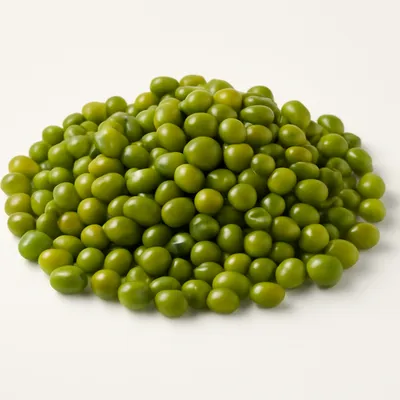
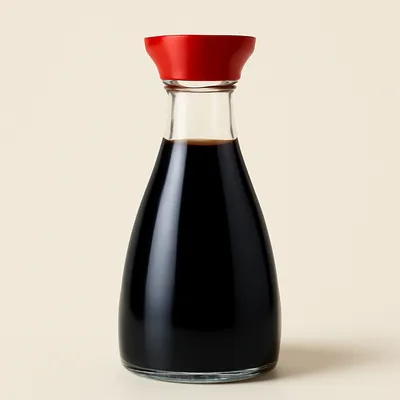

The plain jelly is extracted from ground, soaked mung beans as a starch and cooked into a translucent block; steep it in water colored by the fruit of the gardenia and it turns yellow. It is counted among the eight celebrated tastes of Jeonju, traditionally made with the city's spring water, and the encyclopedias state outright that it cannot be left out of Jeonju bibimbap. Its most famous use is tangpyeongchae, the jelly tossed with beef, water dropwort, bean sprouts, gim and egg in a vinegar-soy dressing. By tradition the salad is named for King Yeongjo, who reigned in the eighteenth century, and his policy of even-handed balance among the court factions, the word tangpyeong meaning level and leaning to no side. That political association is widely repeated but rests on tradition rather than the earliest cookbooks, which record the dish, first in the late eighteenth century, with no political note and using pork; the popular reading of the salad's colors as the rival factions in harmony is a modern embellishment.
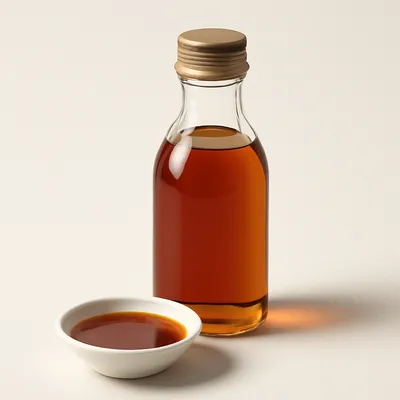
Cool and slippery on the tongue, with a soft, springy, faintly jiggly set that yields cleanly to the teeth. On its own it is almost without flavor, which is the point: it drinks up the dressing, so each piece arrives savory with soy, bright with vinegar and nutty with sesame oil and toasted gim. The color is its own pleasure, a pale translucent gold against the green of dropwort and the red of seasoned beef. It refreshes rather than fills, the lightest thing on a heavy Jeolla table.
The jelly is set by starch gelation: mung-bean starch swells and thickens sharply as it nears seventy degrees, and the cooked slurry sets on cooling into a translucent gel. Traditionally the beans are ground and the starch settled out over several hours before cooking; modern cooks use ready mung-bean starch at roughly one part to five or six of water. As the gel sets it slowly weeps water, which gives the soft-yet-springy mouthfeel, and because it is so near to flavorless it works as a blank carrier for seasoning. The yellow comes from gardenia, whose pigment is the carotenoid crocin, the same family that colors saffron, water-soluble and stable to heat and light. The starch is cooked, stirring constantly with a paddle as for making paste, poured into a moistened mold, and cooled to set before cutting.
Variations
The jelly family runs by its raw material: plain clear mung-bean jelly, this yellow gardenia version of Jeonju, brown and faintly bitter acorn jelly, and grey-brown buckwheat jelly. From the jelly come several dishes: tangpyeongchae, the various muchim including this one, and muk in broth as a light rice meal. Tangpyeongchae itself was historically made with pork rather than the beef common today, and the salad was once known at court by a different name. The gardenia tint distinguishes the Jeonju jelly, but the bibimbap's yellow is sometimes attributed instead to iron-rich water, a minority account against the standard gardenia.
On the Palate
Where Hwangpo-muk sits in the Korean flavor cloud
Ingredients
Serves 4
How it's made
9 steps · 40 min
- 110 min
Mill the mung beans, soak them, and rub off the hulls.
- 215 min
Grind the soaked beans finely with water and strain the slurry through a fine sieve.
- 3420 min
Add ample water and let the starch settle for six to seven hours, then pour off the clear water on top.
- 430 min
Split the gardenia fruit and steep it in cold water until the water leaches a clear yellow.
- 520 min
Cook one part settled starch with five to six parts gardenia water, stirring constantly with a wooden paddle as for making paste, until thick, then salt and bring back to a boil.
Watch outStir the starch constantly with a wooden paddle as it thickens — stop stirring and it seizes into lumps and scorches on the bottom.
- 63 min
Pour the cooked starch into a moistened mold.
- 7240 min
Cool until fully set into a firm block.
Watch outCool it undisturbed until it sets into one firm block that holds a clean cut — a wobbly, weepy gel hasn't set yet.
- 85 min
Unmold and slice the jelly into strips or squares.
- 98 min
Dress with vegetables, toasted gim and a soy-vinegar-sesame sauce, or serve in tangpyeongchae.
Archive tool suggestions — not reviewed
These legacy suggestions have not been evidence-reviewed and are not presented as required tools.


