Injeolmi is one of Korea's oldest and most representative rice cakes: glutinous rice that is soaked, steamed, and then pounded — not merely steamed — into a dense, elastic mass, cut into bite-sized squares, and dusted all over in toasted soybean powder. The pounding is the whole craft; it ruptures the cooked grains until no rice is left whole, building the deep, springy chew the cake is known for. The soybean coat, called gomul, both keeps the sticky pieces apart and lends a roasted, savory-nutty warmth against the cake's mild sweetness. Plain or tinted green with mugwort, it appears at weddings, at Seollal and Chuseok, and as an everyday gift cake carried to neighbors. Soft and faintly sweet rather than sugary, it is the standard against which other tteok are measured.


Pounded rice cakes of this kind are ancient in Korea — injeolmi is recorded among the dobyeong, the pounded cakes listed as ritual and offering foods, as far back as the Goryeo dynasty. Its name is usually traced to the characters injeolmi (引截米), "rice you pull and cut," describing how the pounded dough is stretched and sliced into pieces. A well-loved folk legend ties the name instead to King Injo: during Yi Gwal's rebellion of 1624, while the king sheltered in Gongju, a man surnamed Im is said to have offered him a soybean-dusted pounded cake, and the delighted king named it after its maker — imjeolmi, later injeolmi. The story is charming but almost certainly later invention, since the word appears in records and excavated documents that predate the rebellion; the cake itself is far older than the tale. Long a cake for feasts and rites, injeolmi was also the everyday gift a household pounded to mark a wedding or a move to a new home.
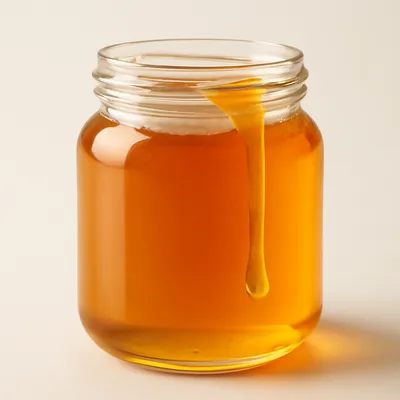
The bite is unmistakable: dense and deeply chewy, with a slow, taffy-like stretch that pulls before it yields, soft yet substantial under the teeth. The cake itself is only gently sweet, clean and milky from the rice, so the flavor leans on the coat — a thick, powdery layer of toasted soybean that is warm, nutty, and faintly savory, almost roasted-grain in its depth. Fresh from the mortar it is at its most tender and elastic; cooled, it firms and tightens, which is why a quick warming brings the chew right back. A drizzle of honey or rice syrup, when offered, rounds the whole thing into something richer.
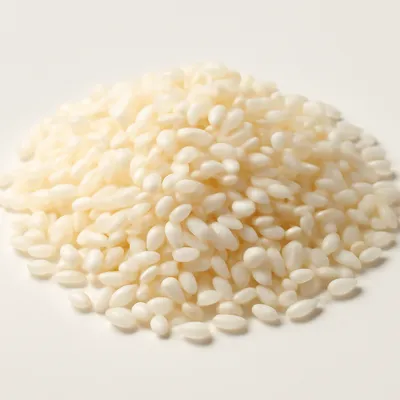
Glutinous rice is almost pure amylopectin — a heavily branched starch with little of the straight-chain amylose found in ordinary rice — and that is what makes injeolmi behave the way it does. Steaming hydrates and gelatinizes the grains; pounding then physically ruptures their structure, smearing the swollen starch into one continuous, cohesive mass that stretches rather than crumbles. With no gluten involved, the entire elastic chew is built mechanically, by the mallet, which is why a thorough pounding until no grain remains whole is essential. The soybean coat does real work too: it is a barrier that stops the tacky surface from sticking and drying, and its protein and fat add richness the bland rice lacks. Injeolmi stales quickly — its high moisture, high starch, and low fat let the amylopectin retrograde and firm up fast, especially when chilled — so it is eaten fresh, and a brief steam or microwave reverses the hardening by re-melting the recrystallized starch.
Variations
The coating, or gomul, is what most varies: yellow soybean powder is the classic, but pieces are also rolled in red-bean powder (patinjeolmi), black or white sesame (kkaeinjeolmi), or dried jujube, and the soybean coat is favored in summer when it keeps better while red bean suits the cooler seasons. The dough itself can be left plain or pounded green and herbal with mugwort (ssuk injeolmi) or, more rarely, surichwi. Some modern makers add a touch of sugar or even a little wheat flour to slow the staling, and a dip of honey or rice syrup is common. Injeolmi is distinct from chapssaltteok, the filled glutinous mochi with a bean-paste center, and from garaetteok, the plain unpounded rice cylinder cut for soup and stir-fries; lately it also turns up as a topping on shaved-ice patbingsu and even as a café croffle.
On the Palate
Where Injeolmi sits in the Korean flavor cloud
Ingredients
Serves 6How it's made
8 steps · 2 hours
- 1600 min
Rinse the glutinous rice and soak it in plenty of cold water for at least 6 hours or overnight, then drain it well in a sieve.
- 240 min
Line a steamer with a damp cloth, add the drained rice, and steam over high heat until the grains are fully cooked, soft, and translucent, sprinkling with a little salted water partway through.
Watch outSteam the rice until every grain is soft and translucent — any hard cores left won't break down under the mallet and will pock the smooth dough.
- 32 min
Tip the hot steamed rice into a sturdy mortar or onto a clean, dampened board.
- 425 min
Pound the rice with a wetted mallet or pestle, folding and turning the mass as you go, until every grain is broken and the dough is smooth, dense, and elastic with no whole rice visible.
Watch outPound until no whole grain is left and the mass turns smooth and stretchy — the entire chew is built by the mallet, so don't stop early.
- 52 min
While pounding, keep your hands and the mallet wet with lightly salted water so the dough does not stick.
Watch outKeep hands and mallet wet with lightly salted water throughout — dry tools and the sticky dough grabs and tears instead of folding.
- 65 min
Toast the soybean flour briefly in a dry pan if not already roasted, then spread a thick layer of it on a tray.
- 75 min
Turn the warm pounded dough onto the soybean-dusted tray, flatten it into a slab about two centimeters thick, and dust the top heavily with more soybean powder.
- 88 min
With an oiled or floured knife, cut the slab into bite-sized squares or rectangles, then roll each piece so it is fully coated; serve fresh, with honey or rice syrup if you like.
Archive tool suggestions — not reviewed
These legacy suggestions have not been evidence-reviewed and are not presented as required tools.