
Gangnaengi-guksu is a cold corn-starch noodle from the uplands of northern Korea, in the Pyongan tradition. Where lowland cooks reached for buckwheat or wheat, the cold mountain provinces leaned on starch noodles, and gangnaengi (corn) was the grain at hand. A gelatinized corn-starch dough is pressed through a perforated press straight into cold water, setting into firm, glassy, springy strands. The noodles are drained into a bowl and flooded with cold dongchimi (radish water-kimchi brine) or a clear meat broth, then dressed with pickled radish, cucumber, pear, and a slice or two of beef. It is the corn-starch sibling of Hamhung's better-known potato-starch nongma-guksu.
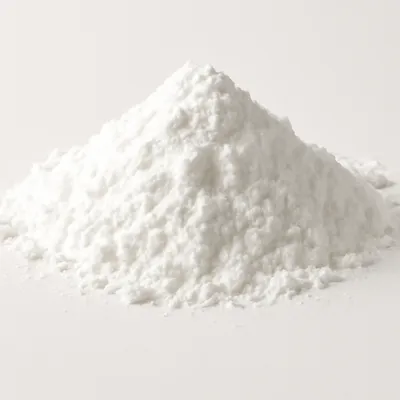
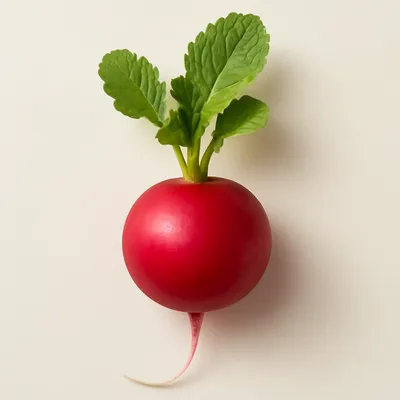

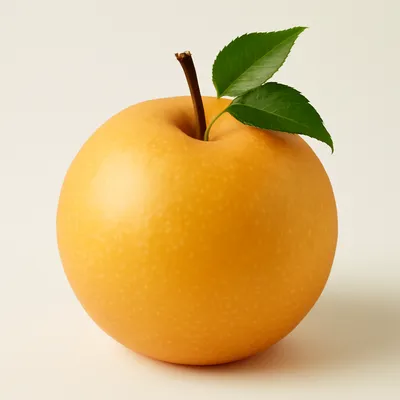


The starch-noodle tradition belongs to northern Korea, where the cold, mountainous terrain of the Pyongan, Hamgyong and the upland Jagang and Ryanggang provinces favored buckwheat, potato and corn over rice. Hamhung's potato-starch nongma-guksu is the flagship of this family; corn-starch noodles are the upland variant, made where corn was the crop that grew. The cold-noodle broth of the north is dongchimi, the clear radish water-kimchi brine that also carries Pyongyang naengmyeon. In the 1920s a Dong-A Ilbo piece named Korea's three great naengmyeon as Pyongyang's buckwheat, Hamhung's potato starch, and Jinju's; corn noodles sit alongside these as the upland kin. The exact origin of the corn-starch version is unrecorded. In present-day Pyongyang the Otan corn-noodle specialty restaurant is known for its corn noodles.
The strand is firm and resilient — it springs back against the teeth, more glassy snap than soft chew, with the slightly slick surface that gelatinized starch gives. The broth lands ice-cold and clean: lightly sour, faintly sweet from the dongchimi, never sharp. Pickled radish and cucumber add crunch, the pear a cool sweetness, and the whole bowl reads bracing rather than rich.
Corn starch has no gluten, so the chew is built entirely from the starch itself. A portion of the starch is cooked with boiling water until it gelatinizes — the granules swell and the amylose and amylopectin uncoil into a sticky paste — and this paste is worked back into the rest of the starch to make a dough cohesive enough to press. Forced through the press holes directly into cold water, the strands set on contact: the sudden cooling drives the dissolved starch chains, especially the linear amylose, to re-associate and partly recrystallize (retrogradation), locking the noodle firm, glassy and springy where a wheat noodle would stay soft. The cold broth comes from dongchimi, fermented near 12 to 15 degrees so that cold-tolerant, gas-producing Leuconostoc lactic-acid bacteria dominate: they keep the acidity low and clean and throw off mannitol, giving the brine its faint sweetness rather than a hard sourness.
Variations
The closest kin is Hamhung's nongma-guksu, made from potato starch instead of corn — chewier still, famously tougher than ox sinew. Do not confuse this dish with Gangwon Province's olchaengi-guksu: that is a corn muk (gel), pushed through a coarse sieve into short, blunt, tadpole-shaped pieces eaten with a spoon under seasoned soy sauce — a gel dish, not a pressed noodle in broth. Gangnaengi-guksu itself runs in a dongchimi-brine version and a clear-meat-broth version, and can also be served bibim style, with no broth at all, tossed in a spicy gochugaru seasoning.
On the Palate
Where Gangnaengi-guksu sits in the Korean flavor cloud
Ingredients
Serves 4

How it's made
9 steps · 50 min active + 40 min waiting
- 140 min
Make the broth ahead: either chill clear dongchimi (radish water-kimchi) brine, or simmer beef brisket with garlic until tender, then chill the strained stock and slice the meat thin. Keep the broth ice-cold and taste for a clean, lightly sour-sweet balance.
- 210 min
Prepare the garnish: cut Korean radish and cucumber into thin strips and lightly pickle them, slice Asian pear, and have a boiled egg ready to halve.
- 35 min
Gelatinize the starch base: whisk a portion of the corn starch with a little cold water, then pour in boiling water while stirring hard until it turns into a thick, translucent, sticky paste.
Watch outPour boiling water in while stirring hard until the paste turns thick and translucent — this gelatinized base is what makes the gluten-free dough cohesive enough to press.
- 48 min
Work the paste into the remaining corn starch and knead to a smooth, very stiff, cohesive dough that holds together when pressed.
- 55 min
Bring a deep pot of water to a rolling boil and set a bowl of ice water beside it.
- 66 min
Load the dough into a noodle press held over the boiling water and force it through the holes; let the strands cook briefly until they firm and turn glassy.
Watch outPress the strands straight into cold water — the sudden chill sets them firm and glassy; without it they'd stay soft and dissolve.
- 76 min
Lift the noodles straight into the cold water, then rinse under running cold water, rubbing gently to wash off surface starch until the strands are cool and slick.
Watch outRinse and rub off the surface starch under cold water until slick — leftover starch makes the noodles gummy and clumpy.
- 84 min
Drain well, coil a portion into each chilled bowl, and pour the ice-cold dongchimi brine or meat broth around the noodles.
- 93 min
Top with the pickled radish and cucumber, pear slices, egg, and beef, and serve at once while everything is cold.
Archive tool suggestions — not reviewed
These legacy suggestions have not been evidence-reviewed and are not presented as required tools.


