Gopchang-gui is grilled beef small intestine (gopchang), one of Korea's defining offal grills and a staple anju, or drinking-food. The intestines are meticulously cleaned, sometimes marinated and sometimes simply salted, then grilled over charcoal or on a hot griddle until the springy casing chars and the rich fatty content inside renders. Pork small intestine is a common, cheaper alternative, and the platter is often shared with sibling cuts like daechang (large intestine) and makchang (the fourth stomach). The meal is classically finished by frying rice in the same pan with the rendered fat and leftover seasoning, so nothing is wasted.





Gopchang sits in Korea's long tradition of eating every part of the slaughtered animal, with the intestines treated as both anju and a restorative. There is no firm invention date; it emerged as offal cookery rather than as a single created dish. In the harder labor era it was prized as a high-protein, high-fat, high-calorie food that genuinely aided recovery, and it carried a folk reputation as a tonic for weak constitutions and postpartum recovery. The charcoal-grilled form took clear commercial shape around butchery districts: in Daegu, makchang and gopchang grilling spread from the early 1970s near the city slaughterhouse, and the Anjirang gopchang alley grew from cheap student-and-laborer fare around 1979. Today gopchang is a delicacy, often costing more per weight than ordinary cuts because the cleaning is so labor-intensive.
First the casing: a springy, elastic chew that resists the teeth for a moment before giving way, the outside crackling and bittersweet with char. Then the payoff — the gop inside bursts molten and creamy, nutty and savory like rendered marrow, coating the mouth in warm fat. You eat it hot off the grill, dipped in salt with sesame oil or a perilla-and-soybean sauce, often folded into lettuce with garlic and raw scallion to cut the richness, and you chase it with cold soju. By the last round the pan is glossy with beef fat, and the fried rice that follows tastes of everything that came before.
Cleaning is the load-bearing step. Intestine is coated in slime and clinging grease; scrubbing with wheat flour works by abrasion, the gritty particles physically lifting and adsorbing the slippery mucus and fat so they rinse away, while a soak draws out blood and a soju rinse volatilizes lingering odor compounds (aromatics like garlic and ginger then mask the rest). Coarse salt adds grip and seasoning, but heavy salting before cooking can tighten the protein and toughen the casing, so de-sliming leans on the flour. The prized gop inside is not pure fat but a clump of intestinal-wall secretions and absorbed nutrients bound with fat and moisture; over the grill that fat renders and bastes the meat from within. The intestine wall is dense with collagen, so it needs enough heat and time to relax from rubbery toward springy-tender — but boiling or grilling too hard, too long makes the collagen seize and turn rubbery again, which is why cooks render gently on medium heat first, then push to high for char. Charcoal heat drives Maillard browning and lays down smoke. Finally the rice is fried in the rendered beef fat and fond left in the pan, which carries the dish's full savor into every grain.
Variations
The core split is by cut and protein: sogopchang (beef small intestine, the prized standard) versus dwaeji-gopchang (pork small intestine, cheaper and richer), alongside sibling offal often grilled on the same platter — daechang (large intestine, fattier) and makchang (the fourth stomach, properly hongchang). Seasoning divides into yangnyeom (marinated in garlic, ginger, soju and gochugaru) versus sogeum-gui (plain salt grill, favored by top shops to show freshness). Beyond the grill, the same offal becomes gopchang-jeongol (a bubbling hotpot) and gopchang-bokkeum (a spicy stir-fry). Regionally, Daegu is famous for its makchang and pork-intestine grilling.
On the Palate
Where Gopchang-gui sits in the Korean flavor cloud
Ingredients
Serves 3

How it's made
8 steps · 40 min
- 15 min
Turn the beef small intestine inside out where possible, trim excess hard fat, and rinse under cold water to wash off loose debris.
- 213 min
Add a few handfuls of wheat flour and a little coarse salt, then scrub and knead the intestine vigorously for 10 to 15 minutes; rinse, repeat once or twice until the slime and grease are gone.
Watch outScrub with flour and salt a full 10-15 minutes and repeat until the slime and grease are truly gone — this cleaning is the whole dish; skimp and it tastes and smells foul.
- 325 min
Soak the cleaned intestine in cold water 20 to 30 minutes to draw out blood, then rinse with a splash of soju and drain.
- 425 min
Optional: marinate with grated garlic, ginger, onion, a little soju, black pepper and gochugaru for 20 to 30 minutes; or skip and simply season with salt for a plain salt grill.
- 58 min
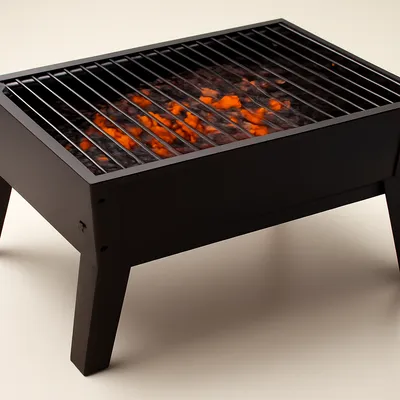
Heat a charcoal grill or a heavy griddle to medium; lay down the intestine and cook gently so the inner fat begins to render without scorching.
Watch outStart gentle so the inner fat renders without scorching, then raise the heat — rush it hot and the outside chars before the gop inside melts.
- 67 min
Once fat is rendering and the pan is glossy, raise the heat to medium-high and grill, turning, until the casing is springy and well charred.
Watch outGrill until the casing turns springy and well charred — under-done it's rubbery, and the char is where the flavor is.
- 73 min
Cut into bite-size pieces with scissors and serve hot with salt-and-sesame-oil dip, lettuce, garlic and scallion.
- 86 min
To finish, lower the heat, add cooked rice to the rendered fat and seasoning in the pan, crumble in gim, and stir-fry into bokkeumbap, scraping up the browned bits.
Archive tool suggestions — not reviewed
These legacy suggestions have not been evidence-reviewed and are not presented as required tools.