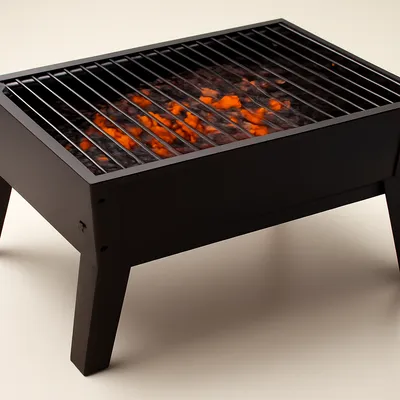
Makchang-gui is Daegu's beloved grilled offal: the abomasum, the fourth and final stomach of cattle, cleaned with great care and grilled over fire until the outside chars and the inside stays soft and juicy. Sometimes called hongchang for its reddish color, it is the signature of Daegu's Anjirang Gopchang Alley, where smoke and briquette heat fill the lane each night. The cooked pieces are dipped in a doenjang-based sauce and eaten with raw garlic and chives. Chewy, rich, and faintly mineral, makchang is distinct from the more common gopchang, which is the small intestine.




Grilled makchang is rooted in Daegu's working-class food culture, where the cheaper organ cuts of cattle were turned into cheap, filling food cooked over briquette or charcoal fire. Its best-known home is the Anjirang Gopchang Alley in Daegu's Nam-gu, which traces its start to around 1979, when a restaurant in the Anjirang neighborhood began selling affordable offal to cash-strapped students and laborers; more shops followed, and the lane grew especially after the 1997 to 1998 IMF financial crisis pushed many into small food businesses. The alley took its name simply from the Anjirang locality. While gopchang and makchang are grilled across Korea, Daegu's Anjirang alley made makchang in particular a city emblem.
A crackling, charred exterior gives way to a soft, springy interior that floods with savory juice. The flavor is deep and meaty with a clean mineral edge; dipped in doenjang sauce and chased with raw garlic and chives, each piece is rich, chewy, and made for grilling smoke and cold beer or soju.
Abomasum is a muscular organ that needs careful cleaning and often a brief pre-boil to tenderize it and strip off-odors before grilling. On the fire, intense dry heat sears the exterior, driving the Maillard reaction that builds the charred, savory crust, while the dense muscle and its fat render just enough to keep the inside soft and juicy rather than rubbery. The doenjang dip and raw garlic cut the richness, their fermented umami and pungency balancing the deep, fatty offal flavor.
Variations
Beef makchang is the Daegu icon, but pork makchang (pork rectum) is also grilled and is cheaper and chewier. Seasoning ranges from plain salt-and-fire to versions pre-marinated in a doenjang or gochujang sauce. The classic accompaniments are a doenjang dip, raw garlic, chives, and ssam greens, and many finish the meal by frying rice in the leftover pan juices.
On the Palate
Where Daegu Makchang-gui sits in the Korean flavor cloud
Ingredients
Serves 3How it's made
6 steps · 40 min
- 115 min
Clean the beef abomasum thoroughly, removing fat and membrane and rinsing repeatedly to strip odor.
- 212 min
Briefly parboil the makchang to tenderize it and remove residual off-smells, then drain and cut into pieces.
Watch outGive the abomasum only a brief parboil to firm it and strip the smell — boil it long here and the grill can't crisp what's already waterlogged and soft.
- 34 min
Make the dip by mixing doenjang with garlic, gochugaru, sesame oil, and a little sugar.
- 412 min
Grill the makchang over charcoal or briquette heat, turning, until the outside chars and crisps.
Watch outGrill over hard heat until the outside chars and crisps and the fat just renders — that Maillard crust is the point; pull it before the dense muscle turns rubbery.
- 54 min
Prepare raw garlic, sliced chives, and ssam greens for serving.
- 63 min
Dip the hot grilled pieces in the doenjang sauce and eat wrapped or with garlic and chives.
Archive tool suggestions — not reviewed
These legacy suggestions have not been evidence-reviewed and are not presented as required tools.