
Negima is the standard chicken yakitori skewer, alternating bite-size pieces of chicken thigh with cut lengths of Japanese leek (negi) on a bamboo stick, grilled over charcoal and finished either with sweet tare glaze or simply with salt. The thigh meat is threaded skin-side out so its fat renders and crisps against the fire, with the leek slid between each piece so it softens and chars in the chicken's drippings. It is the single most ordered item at most yakitori shops and izakaya, the skewer people picture first when they think of yakitori. Despite the name pointing back to tuna, today negima means chicken and leek.

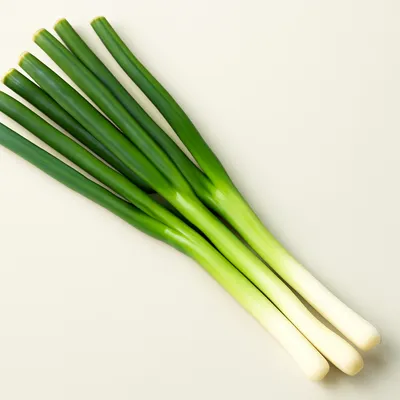
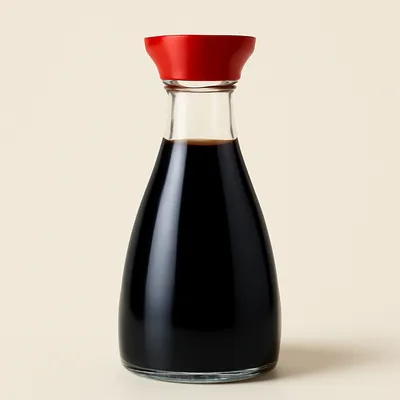

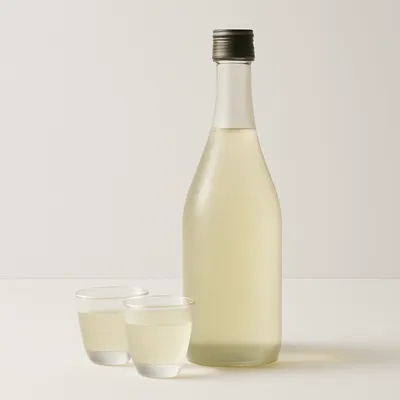

The name negima is older than the chicken skewer and originally had nothing to do with poultry: it comes from negima-nabe, an Edo-period (17th–19th century) hot pot of negi (scallion) and maguro (tuna), and the 'ma' is the 'ma' of maguro, not the word for 'gap' or 'between' as is often assumed. When fatty tuna belly was cheap, this scallion-and-tuna pot was common Edo fare. The grilled chicken version is far more recent: it is generally traced to the postwar period, when tuna grew scarce and expensive — bound for sushi and sashimi — and grilled chicken came to fill the role on the skewer, with leek standing in for the scallion of the old pot. The original tuna negima survives in some places as a hot pot, but the chicken-and-leek skewer is what the word now calls to mind across Japan.
Bitten off the skewer, the chicken thigh is juicy and a touch chewy with crisp, rendered skin, while the leek between each piece turns silky-soft and sweet, almost melting, its raw sharpness cooked away into a mild oniony sweetness. The charcoal leaves a smoky char on both; the tare version coats everything in a glossy, sticky, sweet-salty lacquer, while the shio version stays cleaner and lets the chicken and the charred leek read clearly. The contrast of firm meat against soft, sweet leek in the same mouthful is the whole appeal. Overcooked, the thigh dries and the leek collapses to mush; undercooked, the leek stays harsh and raw.
Chicken thigh is chosen over breast because its higher fat and connective tissue keep it juicy over direct fire, where lean breast would dry out; threading it skin-side out lets the subcutaneous fat render and the skin crisp through dehydration and browning against the radiant heat. The leek is cut to roughly the same length as the chicken pieces so both cook in step; its sharp raw sulfur compounds break down with heat while its natural sugars concentrate and brown, turning it sweet and soft. Tare — soy sauce, mirin, sake, and sugar simmered down — is brushed on in repeated coats over the coals, where its sugars and amino acids brown through the Maillard reaction and caramelization into a sticky, aromatic glaze; the smoke from fat dripping onto the charcoal adds further aroma. Charcoal is preferred to a gas flame because its intense radiant heat sears the surface fast while smoke perfumes the meat.
Variations
The two basic finishes are tare (sweet soy glaze) and shio (salt); regulars often order both to compare. The cut of chicken can shift from thigh to other parts, but thigh-and-leek is the defining form. Some shops cut the negi thicker for more soft, sweet leek per skewer, or char the leek harder for a smokier, more collapsed texture. A squeeze of yuzu kosho, a dab of mustard, or shichimi pepper is a common table addition. The old tuna negima persists in places as negima-nabe, the scallion-and-tuna hot pot from which the name descends.
On the Palate
Where Negima sits in the Japanese flavor cloud
Ingredients
Serves 2

How it's made
7 steps · 20 min active + 5 min waiting
- 15 min
Cut boneless chicken thigh into bite-size pieces about 3 cm across, keeping the skin on
- 23 min
Cut the Japanese leek into lengths roughly matching the chicken pieces, about 3 cm
- 35 min
Thread onto soaked bamboo skewers, alternating chicken (skin facing out) and leek, ending with chicken
Watch outThread the chicken skin-side out — that lets the subcutaneous fat render and the skin crisp against the fire, while breast would dry out.
- 45 min
For tare, simmer soy sauce, mirin, sake and sugar until lightly syrupy; for shio, simply have salt ready
- 56 min
Grill over hot charcoal, turning often, until the chicken fat renders and the skin crisps and chars
- 64 min
For shio, season with salt during grilling; for tare, dip or brush the skewer and return to the fire in two or three coats until glossy
Watch outFor tare, brush and return to the fire in two or three coats until glossy — one heavy coat drips off and scorches instead of glazing.
- 71 min
Serve hot off the grill, with shichimi pepper or yuzu kosho on the side
Archive tool suggestions — not reviewed
These legacy suggestions have not been evidence-reviewed and are not presented as required tools.


