Napolitan is a Japanese yoshoku pasta of soft-cooked spaghetti stir-fried with tomato ketchup, onion, green pepper, mushroom and sausage or ham. The spaghetti is boiled until tender—often well past al dente—then tossed in a pan with the sauteed vegetables and meat and coated in ketchup until everything is glossy and faintly caramelized. It is plated and usually served with grated parmesan and a shake of Tabasco. Despite being named after Naples, it is not an Italian dish but a Japanese creation, and a fixture of old-style coffee shops (kissaten) and home kitchens.


Napolitan was created at the Hotel New Grand in Yokohama in the years just after World War II by the hotel's second head chef, Shigetada Irie. The hotel, which had escaped wartime destruction, served as headquarters and lodging for the occupation, including General Douglas MacArthur; Irie, who had trained under the hotel's founding Swiss chef in French and Italian technique, devised a refined pasta to serve there. Notably, his original used canned tomato puree—scarce and costly at the time, but available to the hotel—rather than ketchup. The ketchup version that spread nationwide was a separate, more frugal adaptation: across postwar Japan, cooks who had seen American soldiers eat plainly boiled, ketchup-dressed spaghetti adopted ketchup as the everyday sauce, and that form became the kissaten standard.
Napolitan is deliberately soft, not springy: the spaghetti is yielding and a little plump, slicked in a tangy-sweet ketchup coating that has been cooked just enough to lose its raw, sharp edge and turn savory. The first taste is sweet-sour tomato, then the salt and fat of sausage or ham, with onion and green pepper giving sweetness and a faint bitterness; parmesan adds a salty funk and Tabasco a vinegary heat. It is comfort food, eaten hot off a hot iron plate in many kissaten. Done badly it is watery and raw-tasting, the ketchup never cooked down, or gummy from spaghetti boiled to mush.
The soft texture is the point, and it is built on purpose. Many cooks boil the spaghetti and let it sit—even chilled overnight—before stir-frying, because rested, fully cooked pasta loses its springy bite and takes on the tender, slightly swollen quality the dish is known for; the starch on the noodle surface also helps the sauce cling. Cooking the ketchup in the pan before the noodles go in is the key flavor move: heat drives off some of the vinegar's raw sharpness and lets the sugars caramelize lightly against the metal, deepening the color and rounding the sweetness into something more savory. The onion and green pepper are sauteed to soften and sweeten them, and the rendered fat from sausage or ham carries flavor through the whole tangle.
Variations
The defining contrast is the Hotel New Grand's original tomato-puree version versus the ubiquitous ketchup version found in kissaten and homes. Common variants swap the protein among wieners, ham, bacon and shrimp, and the iron-plate (teppan) style is served sizzling on a hot plate, sometimes over a thin omelette. A closely related Japanese ketchup-pasta is supotan (an abbreviation of 'spaghetti Napolitan'), and 'Italian'-style versions in some regions add a tomato sauce or a fried egg. The dish is a cousin to other yoshoku pasta like the soy-and-butter wafu spaghetti.
On the Palate
Where Napolitan sits in the Japanese flavor cloud
Ingredients
Serves 2

How it's made
7 steps · 10 min
- 15 min
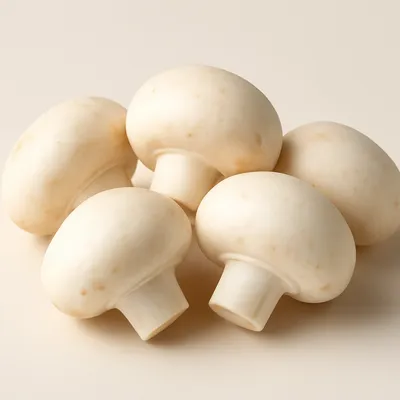
Slice the onion, green pepper, mushrooms and sausage or ham into thin strips.
- 29 min
Boil the spaghetti until soft, a little past al dente, then drain; ideally let it rest so it loses its springiness.
Watch outBoil the spaghetti past al dente and let it rest — soft, rested noodles with surface starch are exactly the tender, sauce-clinging texture this dish wants.
- 34 min
Heat oil or butter in a wide pan and saute the onion, then the sausage, mushrooms and green pepper until soft.
- 42 min
Push the vegetables aside, add the tomato ketchup to the pan, and cook it for a minute or two until it darkens and loses its raw edge.
Watch outCook the ketchup in the pan a minute or two before the noodles go in — the heat burns off its raw sharpness and caramelizes the sugars savory.
- 52 min
Add the drained spaghetti and toss thoroughly so every strand is coated and glossy.
- 61 min
Season with salt and pepper, and a knob of butter for richness if desired.
- 71 min
Plate and finish with grated parmesan and Tabasco to taste.
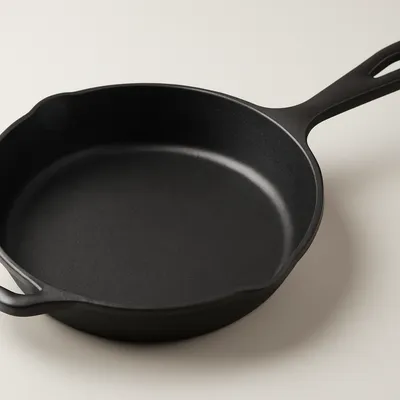
Archive tool suggestions — not reviewed
These legacy suggestions have not been evidence-reviewed and are not presented as required tools.