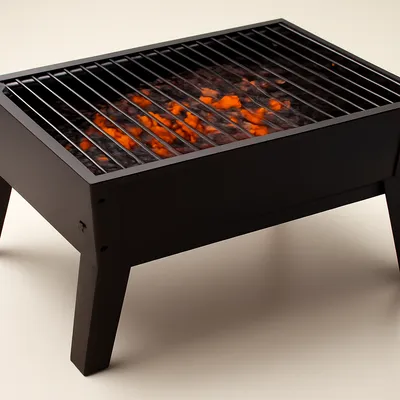
Yaki onigiri is a hand-pressed rice ball, usually plain salted and triangular, that is grilled or pan-toasted until its faces brown and crisp, then brushed with soy sauce (sometimes blended with mirin) or miso so the glaze caramelizes into a fragrant, lightly charred crust. The bare ball is set on the heat first to dry a firm skin; the sauce goes on near the end, because soy and miso scorch quickly. Nori is usually left off, or wrapped on afterward. It is a home snack and an izakaya staple, served hot as a light bite or a side.



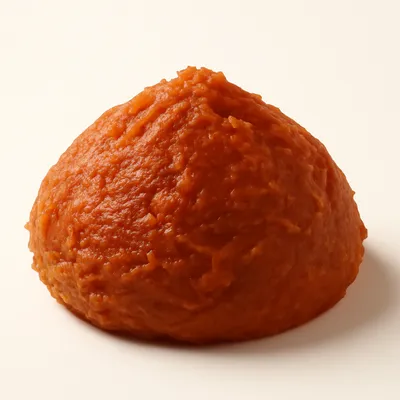
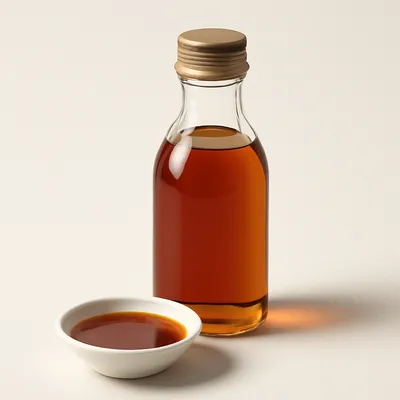

Yaki onigiri is a long-standing folk and home preparation: a plain onigiri, often a cold or stiffened leftover ball, set over coals or a hearth fire and basted with soy sauce or miso to revive and flavor it. Its precise origin is unrecorded. A documented regional relative is kensa-yaki of Niigata, a rice ball coated with sweet miso and grilled; it is distinct from gohei-mochi of the central mountain regions (Nagano, Gifu, Aichi), in which steamed rice is pounded smooth, skewered, and brushed with a miso or walnut-miso glaze, a dish recorded by the mid-Edo period.
The first bite breaks through a thin, crackly crust into a soft, steamy interior, so each face carries a crisp-chewy edge against the fluffy center. The grilled soy gives a deep, toasty, faintly bitter savor with a whisper of caramel sweetness; the charred high points taste nuttiest. A miso glaze reads rounder and saltier, with a fermented tang.
Two changes build the crust. First, browning: the heat drives off the glaze's water, then the amino acids and sugars in the soy or miso (and the rice's own starch) undergo the Maillard reaction, generating the toasty aroma and brown color; pushed too far it tips into acrid char. Second, the surface starch dehydrates and firms into a crisp shell while the trapped moisture keeps the inside soft and steamy. Because soy and miso sugars burn fast, best practice is to grill the bare ball first to set a dry skin, then brush the glaze only in the final minutes over moderate heat. Freshly cooked, sticky short-grain rice and firm pressing hold the shape, so the ball is salted lightly or not at all when the salt-bearing glaze comes later; no binder is needed, though a thin starch dusting can deepen crispness.
Variations
The two main glazes are soy sauce (often cut with mirin or a little sugar) and miso; some cooks finish with butter for an aroma popularized in modern izakaya and home cooking. Fillings or mix-ins appear too, such as bonito flakes, sesame, chopped scallion, or grated cheese. Niigata's kensa-yaki is the sweet-miso regional form. The skewered, pounded-rice gohei-mochi of the central mountains is a close cousin rather than the same dish. Frozen supermarket yaki onigiri, ready to toast or microwave, is a common convenience version.
On the Palate
Where Yaki Onigiri sits in the Japanese flavor cloud
Ingredients
Serves 4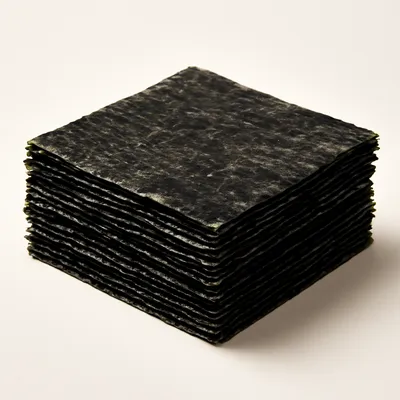
How it's made
7 steps · 20 min active + 5 min waiting
- 16 min
Press freshly cooked, still-warm short-grain rice into firm triangular balls about 2 to 3 cm thick, packing them tightly with damp hands; salt only very lightly or not at all, since a salty glaze comes later.
- 24 min
Let the formed balls sit a few minutes to firm up and lose surface steam, which helps them hold together on the heat.
- 32 min
Stir together the glaze: soy sauce with a little mirin (or sugar), or use miso thinned to a brushable paste.
- 45 min
Set the bare rice balls on an oiled grill, grill grate, or toaster and cook over moderate heat undisturbed until the underside dries and forms a pale, firm crust, about 4 to 6 minutes.
Watch outGrill the bare ball first until a dry, firm crust forms — setting the skin before glazing is what stops the sugary sauce from burning too fast.
- 54 min
Flip carefully and grill the other faces the same way until a dry skin has set all over and the surfaces are lightly golden.
- 63 min
Brush the glaze over the set faces and return to the heat, turning once or twice, until the sauce caramelizes into a fragrant, lightly charred crust, about 2 to 3 minutes; watch closely so the soy or miso does not scorch.
Watch outBrush the glaze on only in the final minutes and watch it closely — soy and miso sugars scorch fast, tipping from fragrant char to acrid burnt in seconds.
- 71 min
Serve hot, on their own or wrapped with a strip of nori added at the end.
Archive tool suggestions — not reviewed
These legacy suggestions have not been evidence-reviewed and are not presented as required tools.