
Sawachi ryori is not a single dish but Kochi's grand style of communal banqueting: a single huge ceramic platter, the sawachi, measuring some 36 to 39 cm across, heaped with the mountain and sea of Tosa. One platter carries sashimi and seared bonito tataki, whole-form and country sushi, and the kumimono — a composed mound that gathers sushi, simmered dishes, dressed vegetables, fried items, sweets and fruit onto one plate. A steamed whole sea bream often crowns the spread. Each platter is built to serve about three people and is refilled as it empties, the number of platters marking the size of the party. It is the centerpiece of the okyaku, the open Tosa banquet of endless sake and hospitality.



Sawachi ryori traces to Kochi's domain era, when large platters of food were set out at the close of samurai banquets, and it spread across the whole region as okyaku fare from the Meiji period onward, once the trade in sawachi platters was freed and the old status order fell away. The hallmark forms — the multi-component kumimono and the convention of odd-numbered groupings such as seven, five and three — are said to have taken shape in that Meiji opening of the table to commoners. The style is inseparable from Tosa's celebrated drinking culture: the okyaku is a leveling feast at which host and guest drink as equals, kept flowing by drinking games and the bottomless platters.
The pleasure is in the sweep of one plate: cool, clean slices of raw fish beside the smoky, blood-warm edge of bonito seared over straw, the sushi vinegar-bright and yielding, the simmered pieces dark and sweet-salty, a fried morsel crisp, a candied chestnut or fruit closing sweet. Textures and temperatures collide on purpose — silk and char, cold and warm, sharp and rich — so that no two bites repeat and the table grazes for hours. Every mouthful is built to be punctuated by sake.
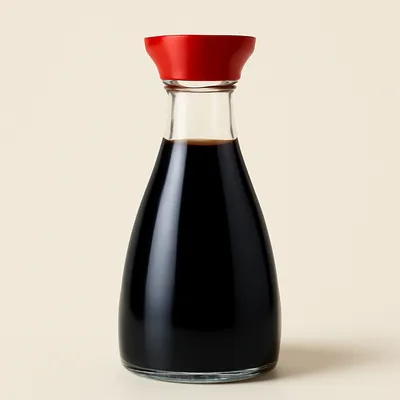
Sawachi is composition rather than a recipe, and its logic is contrast held on one surface. The raw elements rely on impeccably fresh fish whose sweetness comes from free amino acids and the slow-breaking nucleotide inosinate; the bonito is seared hard over a fast straw fire so the skin and surface fat take on smoke and Maillard browning while the core stays raw and cool, the classic tataki play of charred edge against rare center. The sushi and dressed pieces are acidified with rice vinegar, which seasons and lightly preserves; the simmered items are cooked in dashi, soy and mirin until glutamate and sugars concentrate into a glossy sweet-salty glaze. Built ahead and arranged cold-to-warm, the whole platter is engineered to sit out and be grazed slowly without any single element going off.
Variations
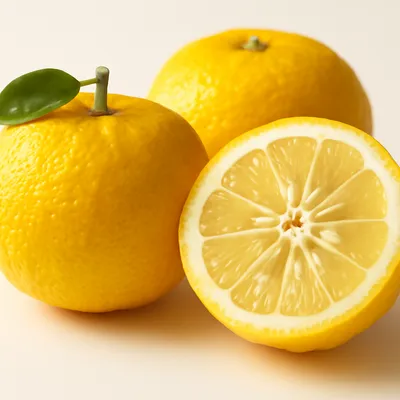
There are two broad types: the moriawase platter mixing many things, and the kumimono platter whose mound is composed around odd-numbered groupings. The lineup shifts with season and occasion — a spring sawachi leans on the first bonito, a festive one on sea bream and red-and-white sushi — and inland versions feature inaka-zushi built on konnyaku, mountain vegetables and yuzu-bright sushi rice rather than seafood. The katsuo no tataki at its heart can be straw-seared (wara-yaki) for maximum smoke or simply flame-seared. Sweets and fruit on the platter are a distinctly Tosa flourish, set among the savory rather than served apart.
On the Palate
Where Sawachi Ryori sits in the Japanese flavor cloud
Ingredients
Serves 8


How it's made
6 steps · 2 hours active + 30 min waiting
- 125 min
Slice impeccably fresh fish into sashimi and arrange on one side of a large sawachi platter.
- 220 min
Sear a bonito loin hard over a straw or strong flame until the surface chars but the center stays raw; rest, slice thick into tataki, and dress with salt or ponzu, garlic and herbs.
Watch outSear the bonito hard so the skin chars but the center stays raw and cool — that charred-edge-against-rare-core is the whole point of tataki.
- 330 min
Press or roll sushi — whole-form sushi and country sushi on yuzu-scented vinegared rice.
- 430 min
Prepare the simmered, dressed and fried items for the kumimono mound, plus a steamed whole sea bream if used.
- 520 min
Build the kumimono on its own plate, composing sushi, simmered, dressed, fried, sweet and fruit pieces in odd-numbered groupings.
- 615 min
Arrange everything across the sawachi from cool raw to warm cooked, crown with the whole fish, and set out with abundant sake for the okyaku.
Watch outLay it out cool-raw to warm-cooked across the platter — the sawachi's logic is that contrast held on one surface.
Archive tool suggestions — not reviewed
These legacy suggestions have not been evidence-reviewed and are not presented as required tools.


