A regional ramen from Tokushima Prefecture on Shikoku, best known in its dark 'brown' (cha-kei) form: a pork-bone broth seasoned heavily with dark soy sauce into a sweet-and-savory, almost sukiyaki-like soup. Instead of standard chashu it is topped with thin slices of pork belly simmered sweet-savory in soy, sugar, mirin and sake, and very often a raw egg cracked onto the hot noodles. The bowl runs saltier and sweeter than most Japanese ramen, which is why it is so commonly eaten with a side of plain white rice. Tokushima also has paler 'white' and 'yellow' substyles.
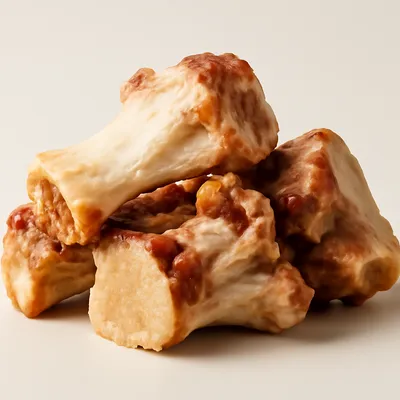




Tokushima ramen is said to have grown out of post-war food stalls around 1949; one documented root is Okamoto Chuka, which began as a stall in Komatsushima in 1951 and is regarded as a founder of the pale 'white' (Komatsushima) style. A concrete local reason the style is pork-bone based: Tokushima Ham — a forerunner of Nippon Ham — operated a plant in the prefecture, making pork bones cheap and plentiful. The styles are sometimes mapped as cha (brown) = Tokushima city, shiro (white) = Komatsushima, and ki (yellow) = Naruto. The dish vaulted to national fame in 1998, when it was featured at the Shin-Yokohama Ramen Museum and billed as 'the last new local ramen of the 20th century.'
The brown soup is dark, glossy, and assertive — deep soy savoriness with a real sweet edge, salty enough to make you reach for rice. The pork belly is the centerpiece: soft, fatty ribbons simmered sweet-savory until they taste frankly of sukiyaki. Crack the raw egg over the hot noodles and the yolk thickens into the broth, mellowing the salt-sweet bite into something rounder and silkier. Many regulars taste the soup plain first, then break the egg in partway through. Done right it is bold and rice-hungry; the failure mode is a soup so sweet-salty it tires the palate without the egg or rice to balance it.
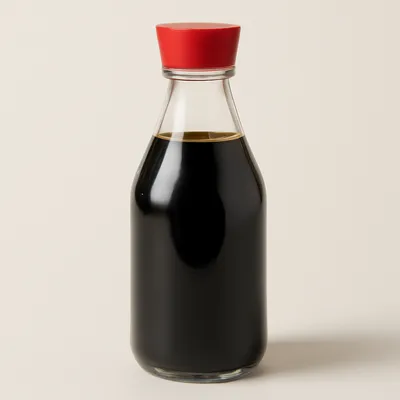
The flavor is built on contrast. A pork-bone stock supplies inosinate-rich savory body; a heavy dose of dark soy sauce layers in glutamate plus the roasted, slightly bitter notes and color of fermented soybeans, while sugar and mirin push it toward the sweet-salty 'sukiyaki' register. The thin pork belly is simmered in that same sweet soy braise, so its rendered fat and gelatin reinforce the soup rather than fight it. The raw egg is the key trick: stirred into the near-boiling broth the yolk's lipoproteins lightly thicken and emulsify the soup, coating the noodles and blunting the salt — the same softening a raw egg gives to sukiyaki. White rice then absorbs the intense seasoning the way it does with any heavily-soyed dish.
Variations
The three substyles differ mainly by broth: cha-kei (brown) is the famous dark, sweet-salty pork-bone-and-dark-soy bowl from Tokushima city; shiro-kei (white), tied to Komatsushima, is a milky pork-bone soup seasoned with light or white soy; ki-kei (yellow) leans on chicken and vegetables with light soy for a paler, lighter cup. Across styles the constants are the sweet-savory sliced pork belly, the frequent raw egg, and the strong 'with rice' culture; bean sprouts and scallion are common add-ons.
On the Palate
Where Tokushima Ramen sits in the Japanese flavor cloud
Ingredients
Serves 4


How it's made
8 steps · 40 min
- 1240 min
Simmer pork bones in water for several hours, skimming, to make a savory pork stock; strain and reserve.
- 290 min
Braise the sliced pork belly: simmer it gently in soy sauce, sugar, mirin and sake until tender and sweet-savory; keep the meat and its braising liquid.
Watch outBraise the pork belly in the sweet soy until tender and keep its braising liquid — that liquid goes into the broth, so its rendered fat reinforces the soup rather than fighting it.
- 310 min
Build the brown tare/soup: combine the pork stock with dark soy sauce and some of the pork-belly braising liquid, adjusting sugar to taste, for a sweet-salty broth.
- 48 min
Cook the ramen noodles to a firm bite and drain well.
- 55 min
Divide the hot broth among warmed bowls and add the noodles.
- 63 min
Lay the sweet-savory pork belly slices over the noodles, then add bean sprouts and scallion.
- 71 min
Crack a raw egg onto the hot noodles in each bowl just before serving.
Watch outCrack the raw egg onto the near-boiling noodles right before serving — the yolk's heat gently thickens and emulsifies the broth and blunts the salt; let it cook hard and you lose that silky bind.
- 82 min
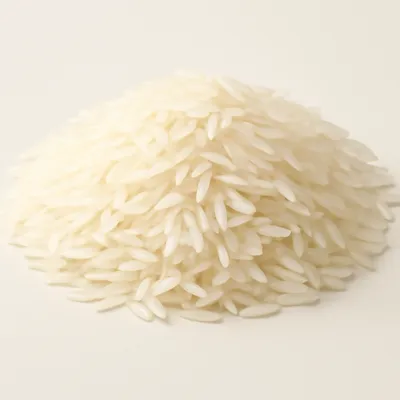
Serve immediately with a bowl of plain white rice on the side.
Archive tool suggestions — not reviewed
These legacy suggestions have not been evidence-reviewed and are not presented as required tools.