
Tempura soba (tensoba) is hot kake soba crowned with tempura: most often one or two large prawns (ebi tempura) fried in a light batter, or a kakiage fritter of mixed vegetable and seafood scraps bound with batter. The soba sits in hot dashi-soy-mirin broth and the tempura is laid across the top just before eating, so the batter is still crisp when it goes in and softens as it soaks. It can also be served the cold way, with chilled noodles and a separate dipping broth (tsuyu).





Tensoba arose in Edo during the middle of the Edo period, when tempura and soba — two of the city's most popular street foods — were brought together at the noodle stalls. By tradition the earliest tensoba topping was a kakiage of surf-clam (aoyagi) adductor muscles rather than prawn. Prawn tempura was the costlier topping, so prawn-topped soba came to be called jo-tempura-soba ('upper-grade tempura soba') or ebiten-soba. Tempura had reached Edo as a fried-seafood street snack, and as soba and unagi were already the favorites, tempura joined them as a third — making tensoba a natural pairing of two Edo staples.
A prawn fights you a little: the batter shatters at the first bite, then gives way to a sweet, springy interior, while the part that has been sitting in the broth has gone soft and soaked through with savory dashi — two textures from one piece. The broth itself is enriched by the frying oil and the prawn, rounder and heavier than a plain kake bowl. Eat the crisp end first and let the rest steep; a tempura left too long collapses into a soggy raft of batter.
Good tempura batter is barely a batter: cold water, a light hand, and lumps left in, mixed only seconds before frying so gluten never develops — gluten would make it bready and oil-logged rather than lacy and crisp. Frying at around 170-180°C flash-boils the water in the batter into steam, which blows the coating open into a thin, dry shell and keeps oil out; a cool pan gives a heavy, greasy crust. The dish is a deliberate study in contrast: a hot wet broth against a hot dry crust, eaten in the brief window before the two equalize.
Variations
The prawn version (ebiten-soba / jo-tempura-soba) is the upscale form; kakiage-soba uses the mixed fritter and is the everyday one. Toshikoshi soba on New Year's Eve is very often topped with prawn tempura, the upright prawn read as a wish for long life. Tendon is the same tempura over a rice bowl rather than soba, and tempura udon is the wheat-noodle equivalent. Cold tensoba pairs the same tempura with chilled noodles and a dipping cup.
On the Palate
Where Tempura Soba sits in the Japanese flavor cloud
Ingredients
Serves 2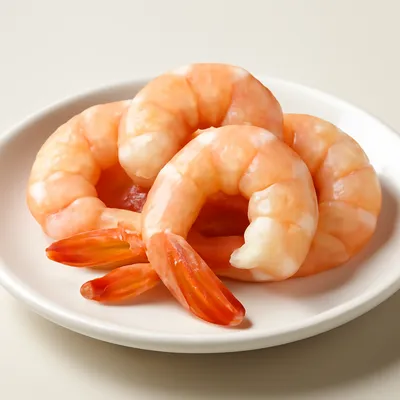

How it's made
8 steps · 35 min active + 5 min waiting
- 15 min
Make the kakejiru: combine dashi with a soy-mirin-sugar base (kaeshi) until savory enough to sip, and keep it hot.
- 28 min
Prepare the topping: peel and devein prawns, leaving the tail; score the belly and straighten so they fry upright. For kakiage, julienne vegetables and small seafood.
- 33 min
Heat frying oil to about 170-180°C.
- 42 min
Mix a thin batter of cold water and flour just before frying, leaving it lumpy and barely combined.
Watch outMix the batter cold and lumpy seconds before frying — over-mixing develops gluten and the coating fries bready and oil-logged instead of lacy.
- 56 min
Coat the prawns (or fold the vegetable mix into batter) and deep-fry until pale gold and crisp; drain on a rack.
Watch outFry at 170-180 so the batter flash-crisps into a dry pale shell — a cool pan gives a heavy, greasy crust.
- 65 min
Boil the soba in plenty of unsalted water until just tender, then drain and rinse off surface starch.
Watch outBoil the soba just to tender, then rinse off the surface starch — that rinse is what keeps the strands slippery and clean, not gluey.
- 71 min
Divide the hot noodles into warmed bowls and pour the hot kakejiru over them.
- 81 min
Lay the tempura across the top and serve at once, with scallion and shichimi togarashi.
Archive tool suggestions — not reviewed
These legacy suggestions have not been evidence-reviewed and are not presented as required tools.



