Uzumi is a local rice bowl of Fukuyama, in the east of Hiroshima Prefecture, whose whole charm lies in concealment. A generous helping of seasoned ingredients, typically shrimp, diced conger eel, taro, shiitake, tofu and vegetables simmered in dashi, is heaped in the bottom of the bowl, and a mound of plain hot white rice is piled on top to bury it completely. To the eye it is an austere bowl of rice, but every spoonful turns up the treasure hidden beneath. The name comes from uzumeru, to bury. It is often finished ochazuke-style, with hot dashi or tea poured over so the broth and rice and hidden ingredients come together, and it is counted among Hiroshima's officially recognized kyodo-ryori, the local home dishes of the region.




Uzumi is documented as a Fukuyama dish reaching back to the Edo period, and the traditional account ties it to the frugality edicts of the age. Under the sumptuary politics of the Fukuyama domain, lavish eating was restricted and the common people were forbidden their finer ingredients, so it is said they took to hiding the luxuries, the shrimp, eel and other treats, at the bottom of the bowl and covering them with plain rice, so that an inspector or a neighbor would see only a humble bowl of rice while the feast lay concealed beneath. The dish is held locally to be some four centuries old, and the Ministry of Agriculture, Forestry and Fisheries records it among the kyodo-ryori of Hiroshima, explaining the name as a corruption of uzumu, to bury, and the custom as the burying of prized foods under rice to evade the Edo-period bans on extravagance. The same logic of hiding wealth under rice underlies Okayama's barazushi just to the east, born of a comparable domainal edict.
The first spoonfuls are deceptively plain, just clean, fluffy hot rice, and then the spoon breaks into the buried layer and the bowl changes character: sweet plump shrimp, soft slip of conger eel, creamy taro, the deep savor of simmered shiitake and tofu, all slick with a light dashi. The contrast is the whole pleasure, austere white rice above and a warm, brothy, umami-laden stew below. Poured over with hot dashi at the end, it loosens into something between a rice bowl and a soup, the grains carrying the broth and the hidden pieces surfacing one by one, comforting and gentle and warming.
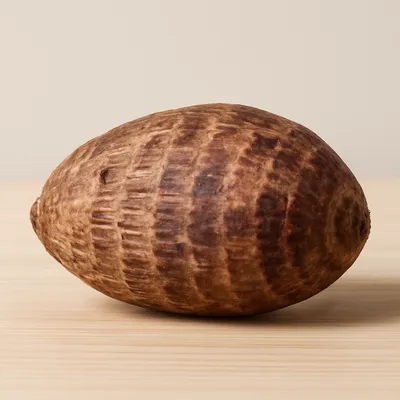
The dish is a study in layered umami and in deliberate contrast. The hidden bed is in effect a small nimono: shrimp, conger eel, taro, shiitake and tofu are simmered in a kombu-and-bonito dashi seasoned with soy, mirin and sake, so glutamate from the kombu meets inosinate from the bonito and the eel and guanylate from the dried shiitake, and the three savory compounds amplify one another far beyond what any single one would give. The taro thickens the broth slightly as its starch gelatinizes, and the porous tofu and eel soak up the seasoned stock. The plain rice on top is placed hot and untouched so that it stays fluffy and neutral, a foil that makes the buried stew taste richer by comparison; when hot dashi is poured over at the end in the ochazuke manner, the heat and liquid loosen the starch on the grain surface, the broth threads down through the rice, and the whole bowl resolves from two separate layers into one warm, integrated mouthful.
Variations
What goes underneath shifts with the season and the household: shrimp and conger eel are the classic luxuries, but versions use chicken, white fish, prawns, matsutake or other mushrooms, taro, carrot, gobo and mitsuba, all bound in the same light dashi. Some bowls are eaten as a plain buried rice and others are deliberately turned into ochazuke from the start with extra hot broth or green tea poured over, sometimes finished with wasabi and nori. The dish belongs to Fukuyama and the old Bingo country of eastern Hiroshima and is distinct from the region's other rice bowls; against anago-meshi, whose eel sits proudly on top, uzumi is defined precisely by burying its treasures out of sight, the edict-born inversion that gives it its name.
On the Palate
Where Uzumi sits in the Japanese flavor cloud
Ingredients
Serves 4


How it's made
7 steps · 25 min
- 115 min
Build a dashi from kombu and bonito flakes, and soak the dried shiitake separately until soft, keeping the soaking water.
- 212 min
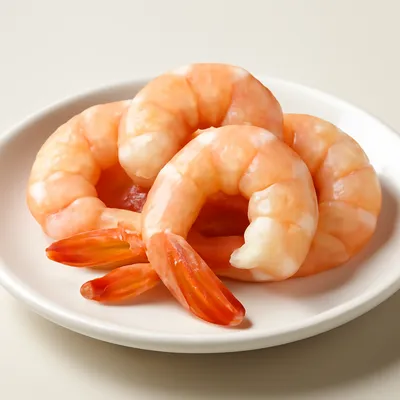
Prepare the ingredients: peel and dice the taro, slice the rehydrated shiitake, cube the tofu, cut the conger eel into bite-sized pieces and devein the shrimp.
- 38 min
Season the dashi with soy sauce, mirin and a little sake, then simmer the taro and shiitake until the taro is nearly tender.
Watch outSimmer the taro and shiitake in the seasoned dashi first, until the taro is nearly tender — it cooks slowest and its starch lightly thickens the broth.
- 45 min
Add the shrimp, conger eel and tofu and simmer gently a few minutes more until just cooked through, then let the pot rest so the flavors settle.
Watch outAdd the shrimp and eel only for a few final minutes — they cook fast, and over-simmering toughens the shrimp and shreds the eel.
- 52 min
Spoon a generous bed of the seasoned ingredients with a little of their broth into the bottom of each bowl.
- 62 min
Pile hot freshly cooked white rice on top to bury the ingredients completely, so the surface looks like a plain bowl of rice.
- 72 min
Serve as is, or finish ochazuke-style by pouring hot dashi or green tea over the rice at the table and eating down to the hidden treasure.
Archive tool suggestions — not reviewed
These legacy suggestions have not been evidence-reviewed and are not presented as required tools.