
Udon simmered and served in an individual donabe clay pot, brought to the table still bubbling. The noodles cook in a dashi broth alongside a set of toppings — most often a prawn tempura, a cracked egg, slices of kamaboko fish cake, shiitake, and a few greens — with the egg left to poach gently in the residual heat. It is a single-serving simmered udon (nikomi udon) and a classic cold-weather dish, the clay pot keeping the bowl scalding well after it leaves the stove.




Nabeyaki udon began as an Osaka street-stall food. Its earliest documented mention is a line in the kabuki play 'Suibodai Zengo no Nozarashi,' first staged in 1865, in which a night-stall vendor at the gate of Shitennoji temple in Osaka explains that he switched from selling edamame to nabeyaki udon because of its sudden popularity — evidence the night-stall dish was already a craze in Osaka by then, a craze sources place in the dozen-odd years up to the mid-1860s. It was far more popular in Osaka than in Edo, reaching Tokyo only around 1873-74. The refined, shareable multi-portion descendant is Osaka's udonsuki.
The pot arrives spitting and steaming, and the first move is to lift the lid and let it cool a breath. The udon is firm because it finishes cooking in the broth rather than being boiled separately and held; the tempura, dropped in late, has a crust that goes half-soft where it meets the soup and stays crisp above the line. The egg yolk is the prize — set just enough to be molten — and the broth carries dashi, the sweetness of shiitake, and a faint richness from the egg. Eat it slowly; the clay holds the heat far longer than a metal bowl.
Cooking the noodles in the serving broth is the structural choice. Because the udon finishes in the donabe rather than being boiled, drained, and rested, it holds a firmer bite and the broth picks up the noodle's starch and the released umami of shiitake, kamaboko, and dashi. The earthenware donabe is the other half: fired clay heats slowly and holds heat long, so the pot keeps simmering off the burner and lets the cracked egg poach in residual heat without a watery white. Adding the tempura at the very end is deliberate — too early and the crust dissolves; right at the end it half-softens where wetted and stays crisp above the broth line.
Variations
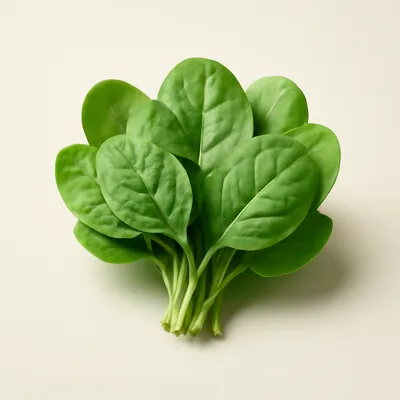
Toppings shift by shop and home — common additions are aburaage, a square of mochi, naruto or kamaboko, spinach or chrysanthemum greens, and chicken in place of or alongside the prawn. The dish belongs to the wider nikomi-udon (simmered udon) family; Nagoya's misonikomi udon is a close relative that simmers the noodles in a dark hatcho miso broth in the same kind of clay pot. The larger, shareable refinement of the same idea is udonsuki, an Osaka hot-pot of udon and assorted ingredients eaten communally.
On the Palate
Where Nabeyaki Udon sits in the Japanese flavor cloud
Ingredients
Serves 1


How it's made
7 steps · 25 min active + 10 min waiting
- 18 min
Fry a prawn tempura separately so it is crisp and ready to add at the end.
- 25 min
Make a dashi broth and season it with soy sauce, mirin, and a little salt to a light, drinkable strength.
- 34 min
Pour the broth into an individual donabe, add sliced shiitake and any firmer vegetables, and bring to a simmer.
- 44 min
Add the udon and simmer until the noodles are hot through and just tender.
Watch outAdd the udon and simmer in the broth itself — cooking it in the serving pot keeps a firmer bite and thickens the soup with the noodle's starch.
- 51 min
Lay the kamaboko slices and greens on top, then crack the egg into one side of the pot.
- 62 min
Set the tempura on top, cover, and simmer briefly until the egg white begins to set but the yolk stays soft.
Watch outSet the tempura on top and simmer only briefly — too early the crust dissolves; at the very end it half-softens while the egg white just sets and the yolk stays runny.
- 71 min
Take the pot straight to the table on a trivet, lift the lid, and eat while it is still bubbling.
Archive tool suggestions — not reviewed
These legacy suggestions have not been evidence-reviewed and are not presented as required tools.


