A cold soba from the Uonuma area of Niigata Prefecture, made with funori — a seaweed worked into the dough as a binder in place of, or alongside, the usual wheat. The funori tints the noodles faintly green, gives a slick, glassy surface and a firm, springy bite. The cooked noodles are arranged not in one heap but as many small, one-bite folded coils laid in neat rows on a flat wooden tray called a hegi, from which the dish takes its name. It is dipped in a soy-dashi sauce and, because the surrounding mountains grow little wasabi, is customarily eaten with karashi (Japanese mustard) and scallion rather than wasabi.


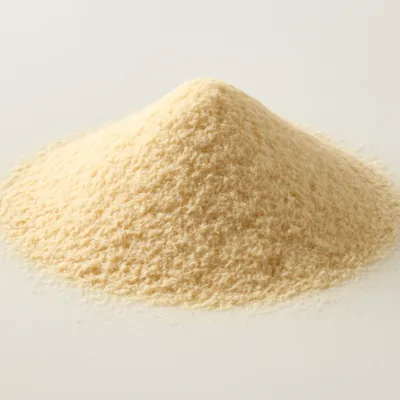

Hegi soba is a specialty of the Uonuma region of Niigata — the towns of Tokamachi and Ojiya in particular — and grew directly out of the area's textile industry. Ojiya and Tokamachi were famous for fine ramie and silk crepe (Ojiya-chijimi, Tokamachi's textiles), and weavers used funori seaweed boiled into a paste to size and stiffen the threads. Soba makers borrowed this familiar local material as a noodle binder. The shift to a smooth, dark-green funori soba is generally dated to the Taisho era — the Tokamachi shop Kojimaya Sohonten records funori being used as a binder in 1922 (Taisho 11), though as a single-shop record this date should be read as approximate rather than a firm 'first'. The serving style mirrors the textile heritage: the noodles are wound into coils that echo skeins of thread laid out on the hegi tray.
The pull is the signature: the funori gives a slick, almost glassy surface and a firm, elastic snap, so the noodles feel taut rather than soft and slip down the throat with the prized nodogoshi — the 'throat-feel' Niigata eaters prize. A faint marine aroma and pale green colour set it apart from ordinary soba. The coils lift cleanly one at a time without tangling. Dipped lightly in the cold soy-dashi, then a little karashi for a clean mustard heat that, unlike wasabi, builds in the mouth rather than the nose.
Funori is a mucilaginous polysaccharide from red seaweeds of the genus Gloiopeltis — built largely on galactose and chemically akin to agar — that dissolves in hot water into a sticky, gelling sol. Worked into soba dough it acts as a hydrocolloid binder: its long chains hold water and link the buckwheat particles, which on their own lack gluten and crumble easily, so the dough can be rolled and cut into a continuous, elastic noodle with the smooth, slick surface funori gives. That same gelling film is what produces the glassy sheen and the firm, slip-down nodogoshi. The cold water rinse after boiling tightens the surface starch and accentuates the firm bite.
Variations
Funori is the regional marker, but the binder is not unique to Niigata: other northern soba traditions bind with grated yam (yamakake/tsunagi) or with chopped mugwort or perilla. Within Niigata, recipes range from soba bound mostly with funori to blends that also lean on wheat. The hegi presentation — coils on the wooden tray — is itself the defining trait and may hold many bundles for sharing. The standard accompaniment of karashi mustard, rather than wasabi, reflects local supply and is part of how the region's soba is identified.
On the Palate
Where Hegi Soba sits in the Japanese flavor cloud
Ingredients
Serves 4


How it's made
8 steps · 45 min active + 45 min waiting
- 120 min
Soak the dried funori in water until soft, then simmer gently until it dissolves into a thick, sticky paste; let it cool.
Watch outSimmer the funori until it dissolves into a thick, sticky paste — that's the binder that holds gluten-free buckwheat into an unbroken noodle.
- 215 min
Combine buckwheat flour with a little wheat flour, then work in the funori paste and water, kneading to a smooth, elastic dough.
- 310 min
Rest the dough briefly, then roll it out thin and even on a floured surface.
- 410 min
Fold and cut the sheet into fine, uniform noodles.
- 52 min
Boil the noodles in a large pot of water for about a minute, until they float and turn springy.
Watch outBoil only about a minute until the noodles float and turn springy — buckwheat overcooks and falls apart fast.
- 63 min
Drain and rinse immediately under cold running water, then tighten in ice water and drain well.
Watch outRinse cold and tighten in ice water right away — the cold shock is what gives the glassy sheen and firm, slippery bite.
- 78 min
Lift the noodles into small one-bite coils and lay them in rows on the hegi tray.
- 82 min
Serve with cold soy-dashi dipping sauce, karashi mustard and sliced scallion.
Archive tool suggestions — not reviewed
These legacy suggestions have not been evidence-reviewed and are not presented as required tools.