Iya soba is the rustic mountain soba of the Iya Valley, a deep gorge on the Tokushima–Kochi border counted among Japan's three great hidden regions. Buckwheat is grown on the valley's punishing slopes, where rice will not, and milled into noodles made from buckwheat flour alone with no wheat binder. Lacking gluten to hold them together, the strands are rolled and cut short and thick, and they break readily — a coarse, stubby noodle rather than the long, fine ribbon of polished lowland soba. It is served simply: boiled, heaped in a bowl, and flooded with hot dashi, topped with aburaage, kamaboko, negi, and often foraged sansai. The bowl tastes of the mountains it comes from, far removed from the refined soba of Shinshu or Togakushi.




Buckwheat suits Iya as little else does: it tolerates poor soil, ripens fast, and was long grown on the valley's steep slopes by the old slash-and-burn method, the staple of a place where paddy rice was impossible. Local legend traces the practice to Heike refugees who, defeated in the twelfth-century Genpei War, are said to have fled into the gorge and taken up buckwheat to survive, though this is folklore rather than record. The steep-slope farming of the wider Nishi-Awa area, Iya included, was recognized as a Globally Important Agricultural Heritage System in 2018. Iya soba is a village tradition with no single creator — the everyday food of farmhouses, mountain lodges, and the soba-making workshops that now draw visitors to the valley.
The aroma is pure roasted buckwheat, nuttier and earthier than wheat-cut soba because nothing dilutes it. The texture is the giveaway: short, soft, slightly crumbly strands that snap between the teeth instead of slithering, with a grainy, almost mealy body. The hot dashi is plain and clean, letting the buckwheat lead; the aburaage adds a sweet, soaked richness and the negi a fresh bite. It eats less like a noodle dish than like a bowl of buckwheat in broth — homely, warming, unmistakably of the mountains.
The defining trait is the absence of gluten. Buckwheat carries no gluten-forming proteins, so a dough of pure buckwheat flour and water never develops the elastic network that lets wheat-cut soba stretch into long, springy strands; instead it holds together only by gelatinized starch and is fragile. Cutting the strands short and thick is the practical answer — long, thin noodles would simply fall apart. The flour is freshly milled, ideally still slightly coarse, and worked quickly with hot or warm water to help the starch bind before it can dry out and crack. Boiling is brief, a minute or two, because the loose strands overcook and disintegrate fast; they go straight from the pot into a hot, kombu-and-bonito dashi that the unassertive noodle is built to carry.
Variations
Most common hot in dashi as kake soba, but also served cold for dipping in summer. Toppings vary with the house and season — aburaage, kamaboko, tempura, a poached egg, and especially the wild mountain vegetables (sansai) the valley is known for. Some workshops sell the dough or let visitors cut their own. Closely related to the wider family of rough, high-buckwheat mountain sobas, but distinguished by its very short, binder-free strands.
On the Palate
Where Iya Soba sits in the Japanese flavor cloud
Ingredients
Serves 2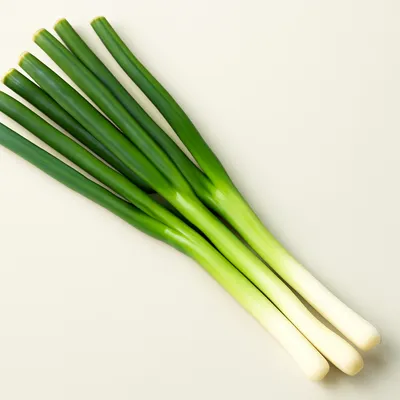
How it's made
7 steps · 30 min active + 10 min waiting
- 112 min
Make a clean dashi from kombu and bonito flakes; season lightly with soy sauce, mirin, and salt for a hot soup.
- 28 min
Mix freshly milled buckwheat flour with hot water a little at a time, working fast to bring it together into a stiff, slightly crumbly dough.
Watch outWork the buckwheat with hot water fast — the heat helps the gluten-free starch bind before it dries and cracks; go slow and the dough won't come together.
- 35 min
Knead briefly just until cohesive, then rest the dough under a cloth for a few minutes so the starch hydrates evenly.
- 48 min
Roll the dough out on a floured board, keeping it on the thicker side, and cut into short, thick strands.
- 52 min
Boil the noodles in plenty of water for only one to two minutes, handling gently so they do not break apart.
Watch outBoil only one to two minutes and handle gently — with no gluten these strands are fragile and break apart if you cook them long or stir them hard.
- 61 min
Lift the noodles out and drain, then divide into bowls.
- 72 min
Pour the hot dashi over and top with aburaage, kamaboko, chopped negi, and blanched sansai if using.
Archive tool suggestions — not reviewed
These legacy suggestions have not been evidence-reviewed and are not presented as required tools.