Pressed sushi — vinegared rice and toppings layered in a wooden box mold and pressed into a block, then cut into rectangles. The Osaka/Kansai tradition (also called hakozushi, box sushi); the pressing compresses the rice and topping into a cohesive block with a distinctive firm, sliceable texture.
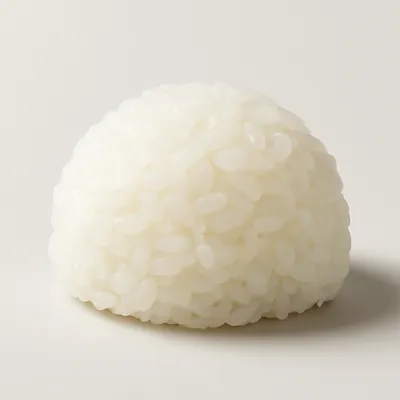


Oshizushi — pressed sushi — is a sushi style from Osaka and the broader Kansai region. Wikipedia documents it as one of the oldest forms of sushi, predating the nigiri of Edo. The dish is made with a wooden box mold called an oshibako or oshizushihako: rice and toppings are layered into the box, pressed firmly, then the block is removed and cut into rectangular pieces. The Osaka regional style is specifically called hakozushi (box sushi). Oshizushi stands in direct contrast to Tokyo's Edomae nigiri, where the chef forms each piece by hand.
A piece of oshizushi is a neat rectangle, its top a smooth layer of pressed fish — mackerel, sea bream, or eel — its body a firm, compressed cake of vinegared rice. The texture is denser than nigiri because the pressing has compacted the rice; the flavor is clean and balanced. Eaten at room temperature, it is a preparation designed for portability — the pressing makes the sushi sturdy enough to pack.
Oshizushi rests on the pressing mold. The oshibako — a rectangular wooden box with a removable top and a press — compresses layers of rice and topping under pressure. The pressing serves several functions: it compacts the rice grains into a cohesive block that holds its shape when cut; it presses the topping into intimate contact with the rice, so the two do not separate; and it forces out excess air, which extends the shelf life. The density of the rice cake is higher than hand-formed nigiri, giving a firmer chew. The toppings — often cured or marinated fish (saba, kohada) — are chosen for their ability to hold up under pressure without disintegrating.
Variations
Regional styles include Osaka hakozushi, Kyoto saba-zushi (mackerel pressed on bamboo leaves), and Toyama trout sushi; the box-pressed form is the constant.
On the Palate
Where Oshizushi sits in the Japanese flavor cloud
Ingredients
Serves 4How it's made
6 steps · 40 min
- 15 min
Line a wooden oshibako mold with plastic wrap.
- 25 min
Spread a layer of vinegared sushi rice on the bottom.
- 35 min
Place toppings (marinated mackerel, shrimp, or eel) face-down on the rice.
- 45 min
Add another layer of rice; press firmly with the mold's lid.
Watch outPress the layers firmly with the lid — under-pressed, the block crumbles when cut; the density is what lets it hold a clean rectangle.
- 55 min
Unmold; invert so the topping is on top.
- 65 min
Cut into rectangles with a damp knife; serve at room temperature.
Watch outCut with a damp knife, wiping between slices — a dry blade drags and smears the rice; wetting it gives clean-edged pieces.
Archive tool suggestions — not reviewed
These legacy suggestions have not been evidence-reviewed and are not presented as required tools.



