
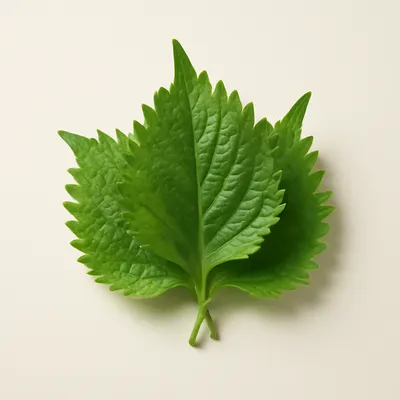
Buri no sashimi is sliced raw yellowtail (Japanese amberjack), a rich, oily fish at its prime in the cold of winter. The fish is filleted, the bloodline removed, and the loin cut into slices that show pale-pink flesh marbled with fat, served with soy sauce, fresh wasabi, shredded daikon and shiso. It is distinct from plain mixed sashimi in being all one fish, chosen for the deep, buttery richness of winter buri; the very fattest belly, kama and toro cuts are especially prized. The same fish is grilled or simmered in other dishes, but as sashimi its fat is the whole point.


Yellowtail has been eaten in Japan for centuries and is a fish of strong regional identity, especially along the Sea of Japan coast where 'kan-buri' (cold-season yellowtail) from areas such as Toyama Bay and Himi is celebrated as a winter delicacy. Buri is a shusse-uo, a 'success fish' that is called by different names as it grows, and it carries auspicious meaning, appearing at New Year tables in parts of western and northern Japan. Wild winter buri remains prized, while farmed yellowtail—long produced in places such as Kagoshima and the Seto Inland Sea—now supplies much of the year-round market; the practice of eating it raw is traditional rather than attributable to a single origin.
Winter buri sashimi is rich and almost creamy, the fat melting on the tongue with a clean, faintly sweet finish and none of the harshness of an over-oily fish when it is fresh. The flesh is firm but yields easily; soy sauce and wasabi cut the richness, and a slice of daikon or shiso between bites resets the palate. Out of season the fish is leaner and flatter-tasting, and farmed buri is consistently fatty but can taste milder. A dull surface, browning at the bloodline or a strong fishy smell signals fish past its best.
Buri's appeal as sashimi rests on its high fat content, which peaks in winter as the fish stores energy against the cold; the fat is rich in unsaturated oils that melt near body temperature, giving that meltingly soft mouthfeel. The bloodline (chiai), a dark, iron-rich strip of muscle along the spine, is trimmed away because it oxidises fast, browns and tastes strongly fishy. Because the flesh is soft and fatty, it is usually cut a touch thicker than lean white fish, in clean hira-zukuri slabs with a single draw of a sharp yanagiba so the fibres are severed rather than crushed. Keeping the fish very cold up to the cut firms the fat and keeps the slices clean.
Variations
The same fish appears as buri-shabu (slices swished briefly in hot dashi), as buri-daikon (simmered with radish) and as buri-teriyaki, while as sashimi it is sometimes served slightly seared on the skin side (tataki) or chilled over ice. Different cuts vary the richness—the belly is fattest, the back leaner—and the bony collar (kama) is prized grilled. The young stages of the fish, sold as hamachi and inada, are leaner and milder, and farmed hamachi is a common sashimi and sushi item in its own right.
On the Palate
Where Buri no Sashimi sits in the Japanese flavor cloud
Ingredients
Serves 2How it's made
5 steps · 25 min
- 18 min
Fillet very fresh yellowtail, or start from a fresh skinned loin block, and pat it dry.
- 25 min
Trim away the dark bloodline and any sinew so only clean flesh remains.
Watch outTrim away the dark bloodline completely — it oxidizes fast, browning and tasting strongly fishy.
- 38 min
Keeping the fish cold, cut it across the grain into 8–10 mm slabs with single clean strokes of a sharp knife.
Watch outKeep the fish cold and cut in single clean draws of a sharp knife — sawing crushes the soft fatty flesh instead of severing it.
- 43 min
Lay the slices over a bed of crisp shredded daikon and shiso on a chilled plate.
- 51 min
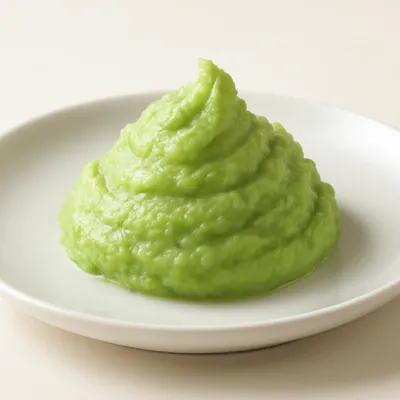
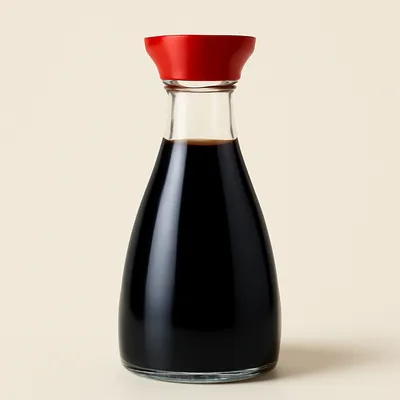
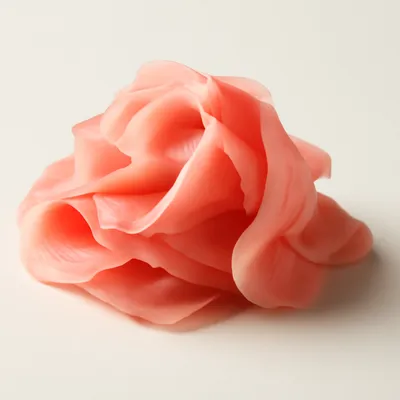
Serve with mounded fresh wasabi, soy sauce and pickled ginger.
Archive tool suggestions — not reviewed
These legacy suggestions have not been evidence-reviewed and are not presented as required tools.


