
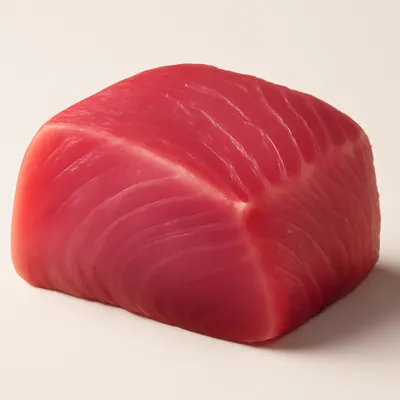
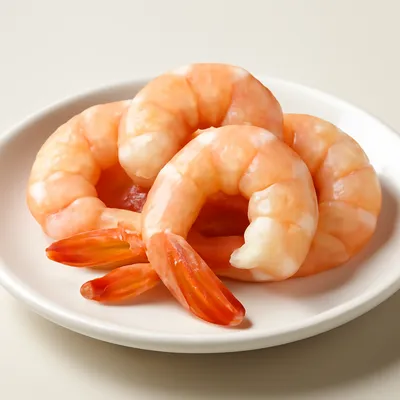
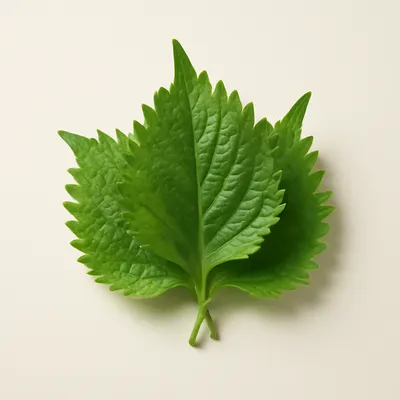
Sashimi moriawase is an assorted-sashimi platter: several kinds of raw fish and shellfish, each cut to suit its texture, arranged together on a single dish with garnishes (tsuma) and condiments. Where a plate of plain sashimi may be one fish, the moriawase is a deliberate composition—typically a lean red fish such as tuna, a white fish such as sea bream or flounder, a silver-skinned or oily fish, and often a shellfish, squid or sweet prawn—chosen and arranged to balance colour, richness and the order in which they are eaten. It comes with soy sauce, fresh wasabi, shredded daikon, shiso and sometimes seaweed.



The moriawase format grew out of the broader tradition of sashimi and of formal Japanese banquet service, where a 'mukozuke' course of sliced raw fish has long been part of kaiseki and honzen meals; arranging an assortment for visual and seasonal effect is part of that aesthetic. As refrigeration and rail transport spread fresh fish inland in the Meiji era and the modern wholesale markets developed in the 20th century, restaurants could reliably offer several species at once, and the assorted platter became a fixture of sushi counters, izakaya and ryotei. The selection is meant to follow the season, and the arrangement principles—balance of colour, placing lighter fish before richer—are codified in professional practice rather than tied to a single inventor.
Each piece eats differently: tuna is soft and faintly iron-rich, white fish is firmer and cleaner with a sweet finish, the oily fish is buttery, and a sweet prawn or scallop is slick and almost sugary. Eaten in order from lightest to richest, with a smear of real wasabi and a light dip of soy, the flavours build without one overwhelming the next; pickled ginger or a slice of daikon resets the palate between kinds. The fish should be cold, glossy and yield cleanly under the tooth—any sliminess, dullness or a fishy smell means it is past its best.
The dish is built on the cut and the cure. Each species is sliced by a method matched to its flesh—thick rectangular hira-zukuri for soft tuna, paper-thin usu-zukuri for firm white fish—using a single clean draw of a long yanagiba knife so the muscle fibres are severed rather than torn and the surface stays glassy. Sawing crushes the cells and the fish weeps onto the plate. The shredded-daikon tsuma is not mere decoration: it is cut into long fine threads and soaked in cold water to crisp it, and it keeps the slices separate, soaks up surface moisture and refreshes the palate. Arrangement places taller and richer items at the back and lighter ones in front, both for looks and for eating order.
Variations
The selection shifts with the season and region—maguro, tai, hamachi, ika, hotate, amaebi, uni and tako are common, and a deluxe platter may centre on a single prized fish or include a fan of tuna cuts from akami to otoro. Coastal areas feature their local catch, and some platters are arranged over crushed ice or in a hollowed-out fish or shell for presentation. A 'funamori' is an elaborate version mounted on a model boat. Soy can be replaced by ponzu or a citrus-and-salt dip for delicate white fish.
On the Palate
Where Sashimi Moriawase sits in the Japanese flavor cloud
Ingredients
Serves 2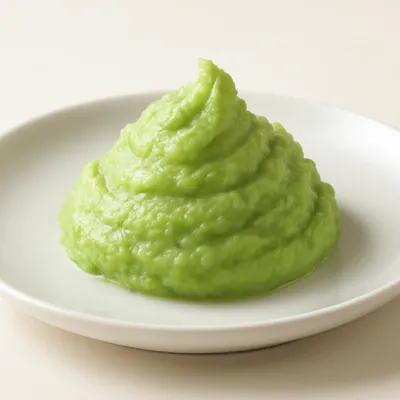


How it's made
5 steps · 35 min
- 18 min
Choose three to five very fresh kinds of fish and shellfish balanced in colour and richness, and chill them well.
- 28 min
Cut fine daikon threads and shiso for the tsuma and soak the daikon in iced water until crisp, then drain.
Watch outSoak the daikon threads in iced water until crisp — this isn't just garnish; the crisp tsuma keeps the slices apart, soaks up surface moisture and refreshes the palate.
- 312 min
Slice each fish by the method suited to it—thick slabs for soft fish, thin slices for firm white fish—with single clean strokes.
Watch outSlice each fish in a single clean draw of the knife — sawing crushes the cells and the fish weeps onto the plate; one stroke keeps the surface glassy.
- 45 min
Arrange the slices on a chilled plate, higher and richer items behind, against a bed of daikon and shiso.
- 52 min
Serve with mounded fresh wasabi, soy sauce and pickled ginger on the side.
Archive tool suggestions — not reviewed
These legacy suggestions have not been evidence-reviewed and are not presented as required tools.


