A donburi of negitoro — minced or scraped fatty tuna (toro) worked to a soft, almost spreadable paste — mounded over warm vinegared rice and scattered with finely chopped scallion (negi). It is a no-cook assembly dish: the tuna is finely chopped or scraped by hand, often loosened with a little soy sauce, and laid on the rice with nori, wasabi, and sometimes a raw egg yolk. Soy sauce is poured over or served alongside. Closely related to the sushi-counter forms negitoro maki and negitoro gunkan, the bowl is an everyday staple of sushi shops, supermarkets, and home kitchens across Japan.
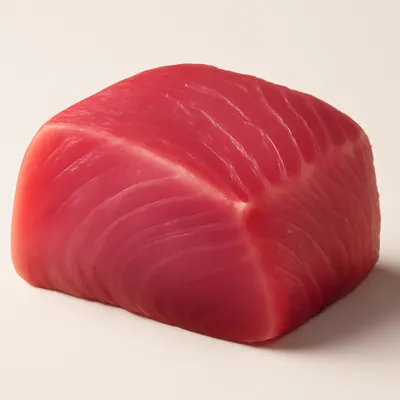


Negitoro is a modern dish; before reliable refrigeration the fatty toro and the scrappy trimmings around a tuna's bones were discarded or seen as low-grade, and through the early Showa era such offcuts appeared mainly in staff meals and hand rolls. The originating shop is generally said to be Kintaro-sushi in Asakusa, Tokyo (founded 1924), where in 1964 chairman Sadao Maneyama is credited with inventing it: the sinewy trimmings, pounded to a paste, had lost all texture, so they were dropped into the chopped scallion (negi) kept for noodles, dressed with soy sauce over rice as a staff meal, proved popular, and were turned into a roll. The name's origin is disputed. The common explanation is simply negi (scallion) plus toro (fatty tuna). A widely repeated alternative holds that 'negi' comes from a verb 'negiru/negitoru' meaning to scrape the flesh (nakaochi) from around the spine with a spoon or shell — but lexicographer Hiroaki Iima notes that this 'scraping' verb has no attested usage and judges the etymology unfounded. Around the mid-1980s a manufacturer began mincing tuna nakaochi and sinew trimmings with added oils and selling it as 'negitoro,' which set off a boom at Tsukiji; much commercial negitoro today is still a prepared minced-tuna product, sometimes bulked with vegetable oil or other fish.
The minced toro is soft and yielding, almost a spread, with little fibrous resistance; the fat melts on contact with the tongue, coating the palate with a rich, faintly sweet richness. Chopped scallion cuts through with a sharp, fresh allium pungency that keeps the fat from cloying, and a smear of wasabi adds a clean nasal heat. The cool, glistening fish sits against warm, lightly sweet-sour vinegared rice; a thread of nori brings sea-brine and a faint crispness. Soy sauce ties it together with salt and savor. Good negitoro tastes of clean fatty tuna; a dull, oily, fishless flavor usually means a cheap product padded with vegetable oil.
Fatty toro is chosen for its high intramuscular fat: at mouth temperature the fat softens and melts, giving the melting, almost creamy mouthfeel and carrying fat-soluble aromas across the palate. Finely chopping or scraping the flesh severs muscle fibers and connective tissue and greatly increases surface area, which is why even sinewy trimmings turn soft and spreadable. The pairing rests on umami synergy: tuna is rich in inosinate (IMP) while soy sauce supplies free glutamate, and when a nucleotide and glutamate occupy the two sites of the T1R1/T1R3 receptor together the savory signal is amplified many times over — far beyond either alone. Scallion contributes sharp sulfur compounds of the allium family that contrast and lighten the fat, while wasabi's isothiocyanates add pungency; the rice's vinegar brings acidity and a touch of sugar that balance the richness.
Variations
At the sushi counter the same minced tuna becomes negitoro maki (rolled in nori and rice) and negitoro gunkan (a rice oval wrapped in a nori band and heaped with the paste). On rice, the close sibling is tekkadon, a bowl of sliced lean tuna (akami), and zuke-don uses tuna marinated in soy sauce. A raw egg yolk laid on top is a common enrichment, and some versions fold in chopped takuan pickle, shiso, or myoga for a tartare-like texture and aroma. Quality ranges widely with the cut, from premium hand-scraped toro to economical minced product.
On the Palate
Where Negitoro Don sits in the Japanese flavor cloud
Ingredients
Serves 2

How it's made
7 steps · 15 min
- 13 min
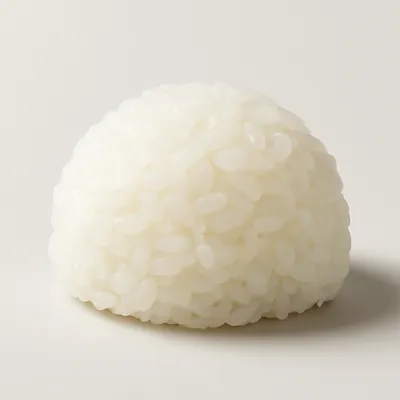
Cook short-grain Japanese rice; while still hot, fold in sushi vinegar (rice vinegar seasoned with sugar and salt) and fan to cool to just-warm vinegared rice.
- 24 min
Using a very sharp knife, finely chop the fatty tuna, then mince and scrape it on the board until soft and almost paste-like; keep it cold throughout.
Watch outChop and scrape the tuna cold until it's soft and almost paste-like — severing the fibers is what turns even sinewy trimmings spreadable; let it warm and it loses its sheen.
- 32 min
Loosen the minced tuna with a little soy sauce (and a dab of wasabi if mixing in), folding gently so it stays light, not packed.
Watch outLoosen the minced tuna with soy and fold gently so it stays light — pack it down and it turns dense and pasty instead of fluffy.
- 42 min
Finely chop the scallion; rinse briefly and pat dry if you want a milder bite.
- 51 min
Mound the warm vinegared rice in bowls and lay slivered nori over the surface.
- 61 min
Spoon the negitoro over the rice and scatter generously with the chopped scallion.
- 72 min
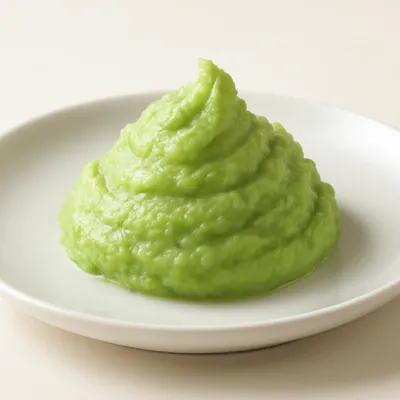
Top with wasabi and, if using, a raw egg yolk; serve with soy sauce poured over or on the side.
Archive tool suggestions — not reviewed
These legacy suggestions have not been evidence-reviewed and are not presented as required tools.