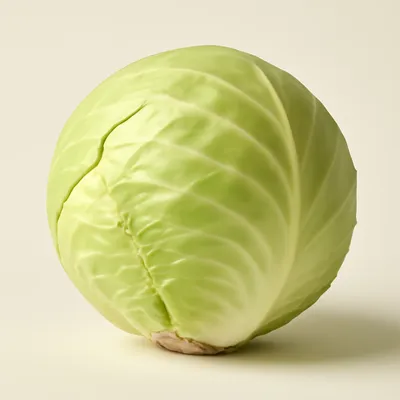
Aji furai is horse mackerel (aji) butterflied open, coated in flour, beaten egg, and panko, and deep-fried to a crisp golden brown, often left joined at the tail so it fries into a flat fan. A dish of yoshoku (Western-influenced Japanese cooking), it is served with tartar sauce or tonkatsu sauce, a wedge of lemon, and a heap of finely shredded raw cabbage, with the fish's high oil content giving the interior a juicy richness under the crust. As common on teishoku set-meal menus as ebi furai (fried prawn), it appears everywhere from home tables to izakaya and diners, plated with white rice, miso soup, and pickles.




Aji furai belongs to yoshoku, the Western-influenced cooking that developed in Japan from the late nineteenth century when European frying and breading methods were adapted to Japanese tastes; it sits in the same family as tonkatsu (pork cutlet) and the breaded-and-fried furai dishes that became staples of the set meal. Horse mackerel — Trachurus japonicus, the most common aji — is a cheap, abundant, oily fish well suited to deep-frying, and the dish is most associated with the kind of fishing-port and home cooking where fresh aji is plentiful. No single shop or date is reliably recorded for aji furai specifically; it spread as one of the standard breaded-fry preparations of yoshoku rather than as a single chef's invention.
A good aji furai shatters at the crust into coarse, dry panko flakes, then gives way to hot, white, flaking fish that is moist and faintly sweet, far juicier than a lean white fish because of the oil in the flesh. Tartar sauce adds a cool, tangy, eggy richness, the lemon cuts the fat, and the raw cabbage refreshes between bites. The crust should be pale gold and crackling; if the oil ran too cool the panko goes soft and oil-soaked, and overcooking dries the thin fillet out. Eaten hot, straight from the fryer, it is at its best.
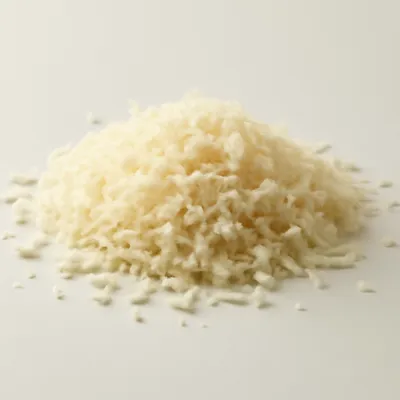
The breading is what makes it work. Flour dries the fish surface and gives the egg something to grip; the beaten egg glues on the panko and sets into a sealing layer in the hot oil; and panko — flakes shredded from crustless white bread — has an open, jagged structure that browns into a coarse, crisp shell while absorbing relatively little oil. That crust seals the thin fillet so it effectively steams in its own moisture and stays juicy, helped by the fat in this oily fish, while the surface develops Maillard browning and toasted aromas. The oil temperature is the main variable: hot enough (around 170 to 180°C) to set and crisp the crust fast before the fish overcooks; too cool and the coating soaks oil and goes soggy. Butterflying the fish thin means it cooks through in the short time the crust needs to color.
Variations
The standard partner on a mixed-fry plate is ebi furai (panko-fried prawn), and the two often share a teishoku with shredded cabbage and rice. Sauce is a matter of taste — tartar, tonkatsu sauce, Worcestershire-style sauce, a squeeze of lemon and salt, or mayonnaise. Some cooks tuck shiso or pickled plum inside the butterflied fish before breading for a sharper note. The same panko-fry treatment defines a whole family of furai: kaki furai (oyster), kani furai (crab), and the pork-cutlet tonkatsu, all built on the identical flour-egg-panko coating and double-handled cabbage-and-rice plating.
On the Palate
Where Aji Furai sits in the Japanese flavor cloud
Ingredients
Serves 2

How it's made
8 steps · 25 min active + 5 min waiting
- 110 min
Fillet the horse mackerel, removing the row of hard scutes along the lateral line, and butterfly each fish open, leaving it joined so it lies flat.
- 24 min
Pull out the pin bones and pat the fish thoroughly dry, then season lightly with salt and pepper.
Watch outPat the fish thoroughly dry before breading — surface moisture stops the flour from gripping and the crust slides off in the oil.
- 32 min
Set up three bowls: flour, beaten egg, and panko.
- 44 min
Coat each fish in flour and shake off the excess, dip it fully in the egg, then press it into the panko to cover both sides evenly.
- 53 min
Heat oil to about 170 to 180°C, hot enough that the panko sizzles briskly when dropped in.
Watch outHeat the oil to 170–180 degrees, hot enough that the panko sizzles briskly on contact — too cool and the crust drinks oil and goes greasy before it crisps.
- 66 min
Lower the breaded fish into the oil and fry until the crust is golden and crisp and the fish is just cooked through, turning once.
Watch outFry just until the crust is golden and crisp and the fish is barely cooked through — this oily fillet dries out fast if you overcook it.
- 72 min
Lift out and drain on a rack so the crust stays crisp.
- 83 min
Finely shred the cabbage and plate the fish with the cabbage, tartar or tonkatsu sauce, and a lemon wedge.
Archive tool suggestions — not reviewed
These legacy suggestions have not been evidence-reviewed and are not presented as required tools.