
Whole sea scallops, lightly breaded or coated in a thin crumb and deep-fried until the crust is golden and the interior stays sweet and barely set. A New Bedford and Cape Cod shore staple built on the Atlantic sea scallop landed in southeastern Massachusetts, the most valuable fishing catch in the country. Served as a plate or in a roll with tartar sauce, lemon, and fries, the goal is a crisp shell over a scallop that is just cooked, never rubbery.
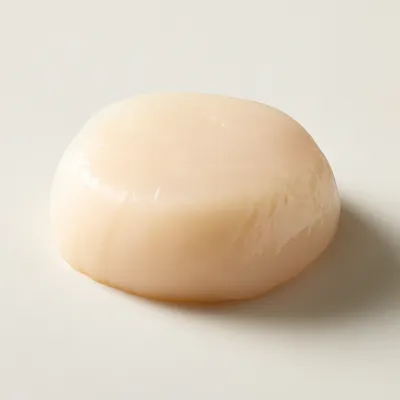


Fried scallops are a product of New Bedford, Massachusetts, the self-styled scallop capital and for two decades running the most valuable fishing port in the United States, where scallops make up the great majority of the catch landed; the port has been scalloping since 1883. The abundance of cheap, fresh sea scallops along the southeastern Massachusetts coast and the broader New England tradition of breading and deep-frying local seafood made the fried scallop a fixture of Cape Cod clam shacks and seafood houses. The city has run a New Bedford Scallop Festival since the mid-20th century to promote the catch.
A thin, crisp golden crust that gives almost no resistance, then the scallop itself — sweet, briny, and yielding, with the faint snap of properly cooked shellfish. A sea scallop holds enough size to stay juicy inside while the outside crisps; the contrast of crackling crumb against soft, milky scallop is the whole appeal. Tartar sauce adds tang and a squeeze of lemon lifts the sweetness. Overcooked, a fried scallop turns tough and squeaky and the sweetness goes flat, so the kitchen pulls them the moment the center turns opaque.
The technique is a quick, hot deep-fry at about 190°C. A light coating of seasoned crumb or cracker meal sets and browns fast, sealing a barrier so the scallop steams in its own moisture rather than drying out. The crust browns through the Maillard reaction in seconds, while the scallop inside needs only to reach the point where its proteins just set — sea scallops cook in roughly a minute or two. Patting the scallops dry before breading is essential: surface water makes the coating slide off and drops the oil temperature, giving a soggy, oil-logged crust instead of a crisp one.
Variations
The chief distinction is sea scallops versus the smaller, sweeter bay scallops harvested from Cape Cod and Nantucket waters, which fry quicker and are prized in season. Coatings range from a fine cracker-crumb dredge to a heavier breadcrumb or a light flour-and-egg batter, a matter of house style debated up and down the coast. Fried scallops appear as a dinner plate, in a fried-seafood combination platter, or stuffed into a roll. They sit alongside the region's other fried-shellfish traditions — whole-belly fried clams and clam cakes — as a New England seafood-shack standard.
On the Palate
Where Fried Scallops sits in the American flavor cloud
Ingredients
Serves 4

How it's made
7 steps · 15 min
- 14 min
Pat 1 pound sea scallops thoroughly dry and remove the small side muscle from each.
Watch outPat the scallops bone-dry before breading — surface water makes the coating slide off and drops the oil temperature for a soggy, oil-logged crust.
- 23 min
Set up a dredge: seasoned flour, beaten egg, and fine cracker crumbs or breadcrumbs in three dishes.
- 35 min
Heat oil to 190°C in a deep pot or fryer.
- 44 min
Coat each scallop in flour, then egg, then crumbs, pressing the crumbs to adhere.
- 52 min
Fry in batches 1 1/2 to 2 minutes until golden and just cooked through.
Watch outFry hot only about a minute and a half to two minutes until golden and just set — sea scallops cook fast and overcook to rubber in seconds.
- 61 min
Drain on paper towels and salt lightly.
- 72 min
Serve hot with tartar sauce, lemon wedges, and fries, or piled into a roll.
Archive tool suggestions — not reviewed
These legacy suggestions have not been evidence-reviewed and are not presented as required tools.



