A Neapolitan cucina-povera classic: fresh anchovies butterflied off the bone, dredged in flour and then beaten egg so they fry up golden ('indorate' means gilded), and eaten piping hot with a squeeze of lemon. A staple of the seaside cuoppo, the paper cone of fried fish sold on Naples' streets.
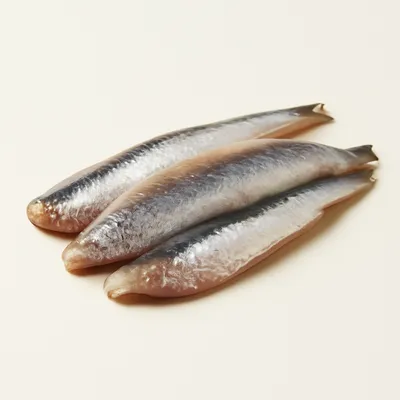



Alici 'ndurate e fritte are one of the great classics of old, popular Naples, a piece of cucina povera built on the cheap, plentiful blue fish of the Gulf. Fresh anchovies are cleaned by hand, the head pinched off and the fish opened flat like a book, the backbone drawn out to leave the two fillets joined. What sets them apart from plain fried anchovies is the coating, the 'indoratura': each fish is turned first in flour, then in beaten egg, so it fries to a golden, gilded shell, the same trick Naples uses for its indorate-fried courgettes and mozzarella. They belong to the city's deep street-food tradition, sold hot in a cuoppo, a rolled paper cone, and eaten standing up with salt, pepper and a squeeze of lemon, as good by the sea as in a home kitchen.
A shatter-crisp golden crust giving way to a soft, briny anchovy inside, still juicy and just set. Hot and salty, a little sweet from the egg, cut clean by lemon; you eat them one after another straight from the paper.
The two-step coating does the work. The flour dries the wet surface of the fish and gives the egg something to grip; the egg then sets in the hot oil into a thin, sealed shell, its proteins coagulating and browning by the Maillard reaction into the golden, gilded colour. That shell traps moisture, so the thin, delicate anchovy steams gently inside while the outside crisps. The oil must sit around 165 to 180 degrees Celsius: hot enough to flash the surface water to steam and brown the egg fast, so little oil soaks in, but not so hot that the fillet dries out in the seconds it needs to cook. Very fresh fish and a dry coating keep the crust crisp rather than soggy.
Variations
Some cooks add grated Parmesan to the beaten egg for a richer coating, or dust the fish in rice flour for an even lighter, drier crust. For children the anchovies are sometimes baked rather than fried. The same 'indorate e fritte' method is used across Naples for courgettes, artichokes and mozzarella.
On the Palate
Where Alici Indorate e Fritte sits in the Italian flavor cloud
Ingredients
Serves 4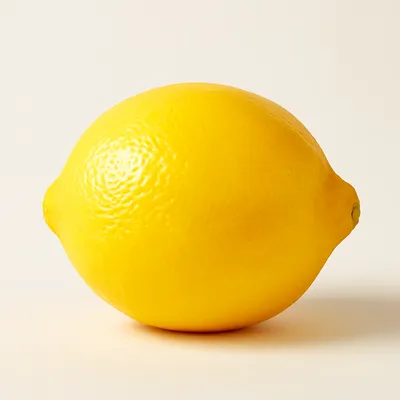
How it's made
6 steps · 25 min
- 18 min
Buy very fresh anchovies; pinch off each head and gut them.
- 210 min
Open each fish flat along the belly and lift out the backbone, leaving the two fillets joined; rinse and pat thoroughly dry.
Watch outPat the boned fillets thoroughly dry before coating — surface water stops the flour gripping and the egg shell won't seal.
- 33 min
Beat the eggs with a pinch of salt in one bowl; spread flour in another.
- 45 min
Heat plenty of vegetable oil in a deep pan to about 170 degrees Celsius.
Watch outHold the oil around 165–180°C — hot enough to flash the surface and set the egg fast so little oil soaks in, but not so hot the thin fillet dries out.
- 56 min
Turn each anchovy first in flour, then in beaten egg, and slide it straight into the hot oil.
- 65 min
Fry until golden on both sides, drain on paper, and serve hot with salt, pepper and lemon wedges.


