The cured meat Molisans treat as their regional identity card, made above all at Montenero di Bisaccia in the province of Campobasso. Lean cuts from the pig's leg are cut coarse, in walnut-sized pieces, mixed with a little hard fat and seasoned only with salt, ground sweet dried pepper and fennel flowers — with chilli in the 'piccante' version. The paste is cased in the pig's bladder, pressed into a ball, dried beside a lit hearth and matured in the cellar for a year or more, then sealed under melted lard to see out the summer.


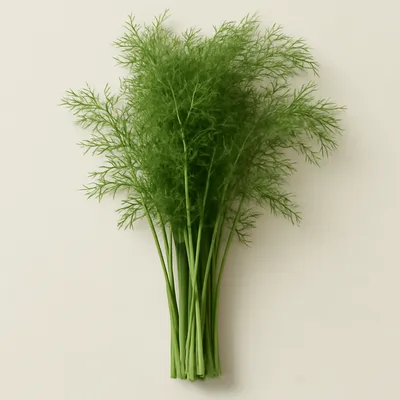

Molise and Abruzzo were a single region until Molise split off in 1963, and the ventricina is one of the things that mark the two apart; its heartland runs along the Trigno valley, on the old border with the Vasto district of Abruzzo. The name comes from the 'ventre', the pig's belly or stomach, once used as the casing. Of the Molise ventricine the most representative is that of Montenero di Bisaccia, listed in the national register of traditional food products (PAT) and carried by Slow Food in its Ark of Taste. The ground sweet pepper does double duty, seasoning the meat and, by drawing off moisture, helping it to keep.
Sliced across the ball, it shows a coarse red mosaic flecked with white fat. It is soft and yielding rather than hard, sweet with paprika before any heat, rounded by the aniseed note of fennel flower, with the mellow depth of long-aged pork behind. The lard seal keeps the fat sweet and fresh.
Casing the paste in the tight bladder and pressing it into a ball slows the loss of water from the centre, so the ventricina dries slowly and stays soft rather than hard. Beside the hearth the first days' gentle warmth lets lactic bacteria ferment the meat's sugars to acid, lowering the pH; over the following year the muscle enzymes break the proteins into savoury amino acids and the fat matures into aromatic compounds. Ground sweet pepper is strongly hygroscopic, pulling water out of the meat to lower its water activity while its own sugars and paprika colour deepen, and fennel's anethole scents the fat. Sealing the finished sausage under melted lard shuts out air, so it does not oxidise or dry hard through the summer heat.
Variations
The everyday split is between the sweet version, all paprika and fennel, and the 'piccante', spiked with chilli. Just over the old border the Abruzzo ventricina del vastese is a leaner, drier, redder cousin cut even coarser, while the Teramo type is a soft, spreadable paste. At home in Molise the ventricina most often ends up as a sauce, its fat and pepper melted into a ragù for the little handmade pasta the dialect calls 'cuzzutilli'.
On the Palate
Where Ventricina di Montenero di Bisaccia sits in the Italian flavor cloud
Ingredients
Serves 20
How it's made
8 steps · 1 hour
- 150 min
Bone the pig's leg and trim the lean meat; cut it coarse by hand into walnut-sized pieces with a little hard fat.
- 220 min
Season with salt, plenty of ground sweet dried pepper and fennel flowers, adding chilli for the piccante version; mix well.
- 3720 min
Rest the seasoned meat overnight in the cool so the salt and pepper draw in.
Watch outRest the seasoned meat overnight in the cool so the salt and sweet pepper draw in — this pull is what starts firming and flavouring the paste before stuffing.
- 440 min
Clean the pig's bladder well and stuff it firmly with the meat, pressing out air and shaping the sausage into a rounded ball.
Watch outStuff the bladder firmly and press out every air pocket — trapped air is where the ball spoils from inside as it dries.
- 54320 min
Tie the bladder and hang the ventricina near a lit hearth to dry gently for the first days.
- 6525600 min
Move it to a cool cellar and mature it for a year to eighteen months, until it firms but stays yielding.
- 730 min
Once cured, coat and seal the sausage under melted lard to protect it through the warm months.
- 820 min
Slice and serve, or melt it down into a ragù for cavatelli.
