Tuscany's great fennel salami, a soft, coarsely-ground pork sausage perfumed with fennel seeds and flowers and moistened with red wine. IGP since 2015 and made across the region, it takes its name from the finocchio, the fennel that in the Middle Ages stood in for costly imported pepper. Cured for weeks or months, it slices into wide, marbled rounds streaked with white fat and flecked with green seed; younger and crumblier, it becomes the sbriciolona that breaks apart under the knife. It is the anchor of any Tuscan antipasto board, eaten in thick slices on unsalted Tuscan bread.



The finocchiona grew up around Florence, where both Campi Bisenzio and Greve in Chianti claim its invention, and its origins are placed in the late medieval or Renaissance centuries. Its name comes from the wild fennel of the Tuscan hills, whose seeds and flowers seasoned and helped preserve the meat when black pepper was a costly import; a popular tale even has Niccolo Machiavelli, the Florentine statesman and noted lover of good food, especially fond of it, and his taste is echoed in passages of his letters. The salami is recorded by name in the great Tuscan and Italian dictionaries of the late nineteenth century, from Rigutini and Fanfani in 1875 to the Accademia della Crusca in 1889, and in April 2015 it was granted IGP status reserved to salami prepared and packed in continental Tuscany.
Soft and yielding rather than firm, it slices thick and almost spreads on the bread. The pork is sweet and winey, the abundant fat silky on the tongue, and over it all rides the warm liquorice-anise scent of fennel, with a faint crunch of whole seed. The sbriciolona version is looser still, crumbling into rich, fragrant nuggets.
Making finocchiona is controlled fermentation and drying. Salt mixed into the ground pork draws out water and, with any added curing salt, holds spoilage bacteria in check while salt-tolerant lactic bacteria feed on the meat's sugars and turn them to lactic acid; the falling pH firms the paste, binds the lean and fat into a sliceable mass and gives the cured tang, while nitrite from curing salt fixes the stable pink colour and guards against botulism. Over weeks in a cool, humid cellar the salami slowly loses moisture from the outside in, concentrating flavour, as enzymes break proteins and fats down into aromatic compounds. The fennel seed contributes anethole, the sweet anise-scented oil that both perfumes the meat and lends a mild antioxidant, antimicrobial effect. The sbriciolona crumbles because a coarser grind and shorter cure leave the paste less bound and less dried.
Variations
Grind and cure make the difference: the classic finocchiona is aged for months to a firm, sliceable salami, while the sbriciolona is coarser, younger and so soft it crumbles and must be cut thick. Fennel may be seed alone or seed and wild flower together, the wine a young Tuscan red or Chianti, and the pork fattier or leaner by maker. The same seasoned mince, briefly cooked, also flavours a Tuscan ragu, and slices of finocchiona are folded warm into schiacciata and panini.
On the Palate
Where Finocchiona sits in the Italian flavor cloud
Ingredients
Serves 12


How it's made
8 steps · 30 min
- 125 min
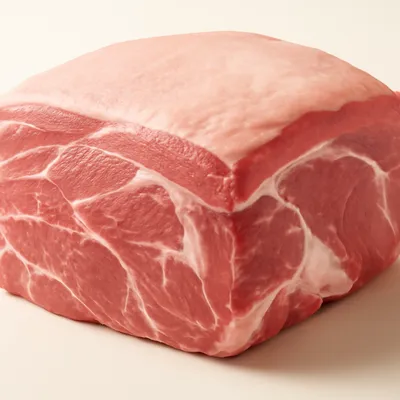
Grind the pork shoulder and back fat coarsely, keeping the fat in visible pieces rather than a smooth paste.
- 25 min
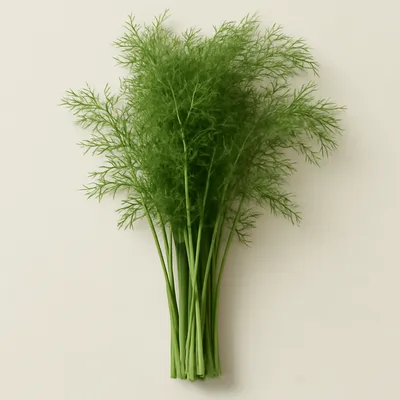
Toast the fennel seeds briefly to wake their aroma, then crush them lightly with the garlic.
- 320 min
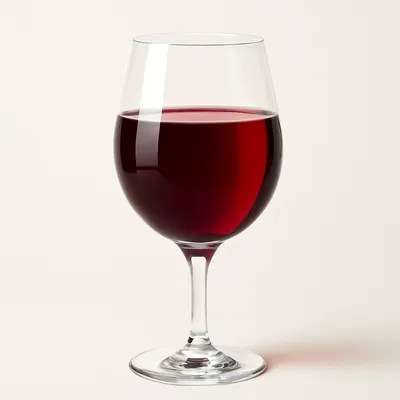
Mix the salt, curing salt, pepper, fennel and garlic through the meat, pour in the red wine and knead until the paste is sticky and well bound.
Watch outKnead the seasoned mince until it's sticky and well-bound — that tackiness is the salt-dissolved protein that later knits the lean and fat into a sliceable salami.
- 4720 min
Leave the seasoned mince to rest cold overnight so the flavours marry and the salt penetrates.
- 530 min
Stuff the mixture firmly into a natural casing, pricking out air pockets, and tie into a long salami.
- 62880 min
Hang it in a warm, humid spot for a day or two to start the fermentation.
Watch outStart it in a warm, humid spot for a day or two to kick off the fermentation — this early acid drop is what firms the paste and guards it as it cures.
- 786400 min
Move it to a cool, humid cellar and cure for several weeks to a few months, until firm and dried to taste.
- 85 min
Slice thickly and serve on unsalted Tuscan bread as antipasto.


