The signature bar tapa of the Cantabrian coast: squid cut into long strips, dredged in flour, and deep-fried until crisp, then salted and served with a wedge of lemon. In Cantabria the squid is cut into strips rather than rings, and the coating is a thin flour dusting rather than a thick egg-and-flour batter. It is eaten hot with the fingers, usually in Santander's bars with a glass of beer or white wine.




Rabas is the Cantabrian name for fried squid, the everyday seafood snack of the bars of Santander and the wider coast, where the word distinguishes the local strip-cut style from rings. The name is commonly understood to derive from rabos, meaning tails or strips, describing the cut. The dish has no single founding date; it belongs to the long Atlantic-coast tradition of frying the day's cheap, abundant squid for the counter.
Hot, gold, and crisp on the outside, the squid inside tender and just-set, with a clean taste of the sea and oil. The flour coat is thin and shatters lightly rather than forming the puffed shell of a heavy batter. Salt goes on the moment they leave the oil; a squeeze of lemon cuts the fat. Eaten straight away — they go chewy and the crust softens as they cool.
Crispness depends on dry squid and hot oil. The strips are patted dry and dusted with flour so the surface moisture binds into a thin coat; dropped into oil at around 180°C, that coat dehydrates and crisps almost instantly while the high heat sets the squid quickly before it can toughen. Squid turns rubbery if cooked too long, so the fry is brief — a minute or two. Crowding the pan drops the oil temperature and steams rather than fries, leaving the coat pale and greasy.
Variations
Some cooks pass the strips through milk or a light egg wash before the flour for a thicker coat; others keep it bare flour, the more traditional Cantabrian way. This strip-cut, lightly floured rabas is distinct from Madrid's calamares a la romana, where the squid is cut into rings and dipped in a wetter egg-and-flour batter, and from the bocadillo de calamares that stuffs that fried ring into a bread roll.
On the Palate
Where Rabas sits in the Spanish flavor cloud
Ingredients
Serves 4How it's made
6 steps · 20 min active + 5 min waiting
- 112 min
Clean the squid and cut the body into long strips a finger wide; pat thoroughly dry.
- 24 min
Dredge the strips in flour and shake off the excess so only a thin coat remains.
Watch outDredge the squid and shake off the excess so only a thin coat clings — a heavy coat fries pale and greasy.
- 35 min
Heat plenty of olive oil to about 180°C in a deep pan.
- 46 min
Fry the strips in small batches for one to two minutes until gold and crisp, keeping the oil hot.
Watch outFry hot and brief, one to two minutes, without crowding — pile the pan and the oil drops, steaming the squid rubbery and the coat soggy.
- 52 min
Lift onto paper to drain and salt at once while still hot.
- 61 min
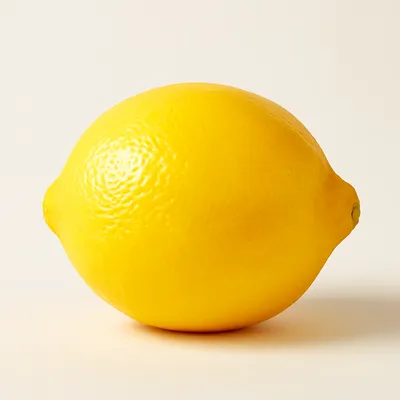
Serve immediately with lemon wedges.
Archive tool suggestions — not reviewed
These legacy suggestions have not been evidence-reviewed and are not presented as required tools.