
Red wine and lemon soda, 1:1 over ice — Andalusian summer cooler, humbler and simpler than sangria.

Created in Córdoba in the 1920s at Venta de Vargas — Federico Vargas mixed cheap Valdepeñas red with gaseosa to make a drink farm workers could nurse through the harvest heat. Predates sangria's modern tourist branding, and locals consider it the unmarketed everyday summer drink.
La Casera, founded 1949 in Madrid, is the bottle every bar in Spain stocks for tinto de verano — its sugar level (4.5 g/100 ml) is what locals expect. Sangria with chopped fruit is for tourists; locals at any Andalusian chiringuito order tinto de verano.
Pale ruby with rising bubbles, served in a tumbler with two ice cubes and a lemon slice. Light, fizzy, faintly sweet — wine as a refresher, not a statement. ABV around 6%, designed to drink three of in an afternoon without falling over.
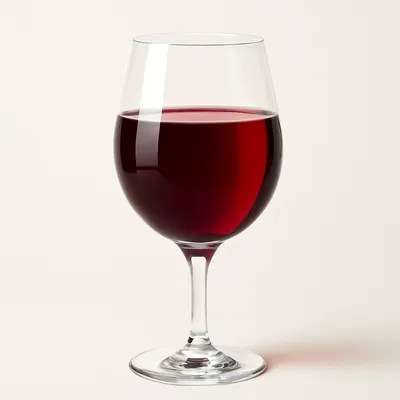
Equal parts cheap young red (Tempranillo or Garnacha) and gaseosa — clear lemon-lime soda, La Casera being the canonical brand. Ice fills half the glass to dilute further. No fruit, no brandy, no sugar; the soda's sweetness is the only sweetener.
Variations
Tinto de verano con limón uses lemon Fanta — sweeter, brighter. Con blanca uses gaseosa neutra (clear soda) — drier. Madrid bars sometimes serve it as kalimotxo's milder cousin: red and Coca-Cola is kalimotxo, red and Casera is tinto de verano.
On the Palate
Where Tinto de Verano sits in the Spanish flavor cloud
Ingredients
Serves 1How it's made
3 steps · 3 min
- 11 min
Fill a tall glass halfway with red wine.
Watch outOnly half wine — the soda and ice take the other half; a full glass of wine makes it heavy and sweet-flat.
- 21 min
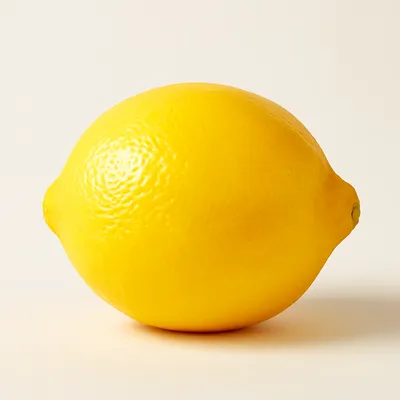
Top with lemon soda (Fanta Limón or similar) to fill.
- 31 min
Add ice cubes and a lemon slice; stir once.
Watch outPlenty of ice is the point — it dilutes as it melts and keeps it a light summer sipper.


