

Andalusian Spanish
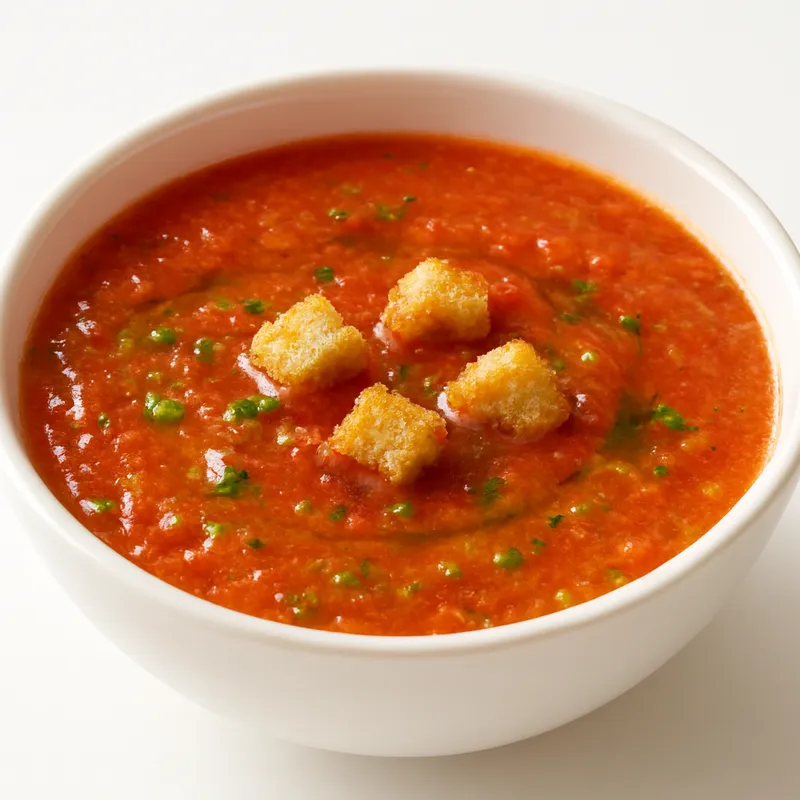
Gazpacho: cold tomato soup.
Gazpacho
Andalusian chilled raw tomato soup blended with cucumber, pepper, garlic, olive oil, and vinegar
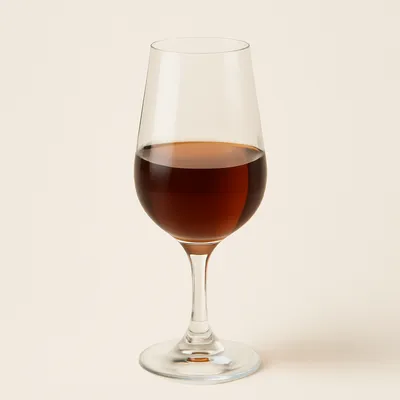
View page →Andalusia sits at the meeting of Africa and Europe — 800 years of Moorish rule left an indelible mark on the table. Gazpacho is the August afternoon dish: chilled raw tomato-cucumber-pepper soup, vinegar-bright, eaten by the bowl. Salmorejo from Córdoba is thicker, garnished with hard-boiled egg and jamón. Pescaíto frito at Cádiz beach is small fish dredged in flour, fried in olive oil that's been used dozens of times. Sherry from Jerez (manzanilla, fino, oloroso, pedro ximénez) shapes the cooking. Jamón ibérico — black-footed pig grazing on Iberian acorns — is the world's most-prized cured ham, sliced paper-thin. Tapas culture (small plates with every drink) was born in Sevillian and Granadan bars. The cuisine is sun-soaked, olive-oil-deep, and irreducibly southern.
The Palate
Start Here
Raw tomato, cucumber, pepper, bread, garlic, olive oil, vinegar — blended cold, served as a drinkable soup on hot August days. The Andalusian summer.
Why start here · Gazpacho teaches the Andalusian principle: raw vegetables + bread + olive oil + acid. Once mastered, you have an entire summer cuisine in one bowl.
Cordovan cousin to gazpacho — thicker, garnished with diced hard-boiled egg and jamón. Bread, tomato, garlic, oil, vinegar puréed until silky.
Why start here · Salmorejo proves the gazpacho-thickness scale matters. The Cordobans take it further than Sevillanos; the egg-and-ham finish is signature.
The Pantry







See all 112 ingredients›


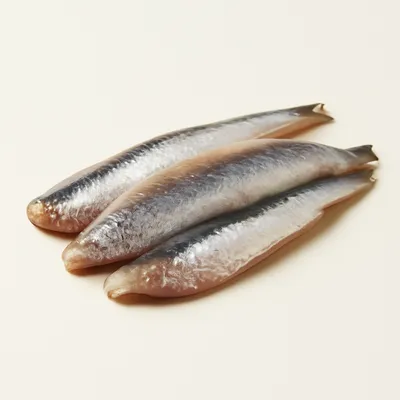

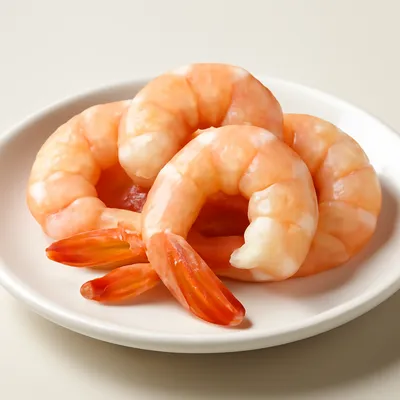
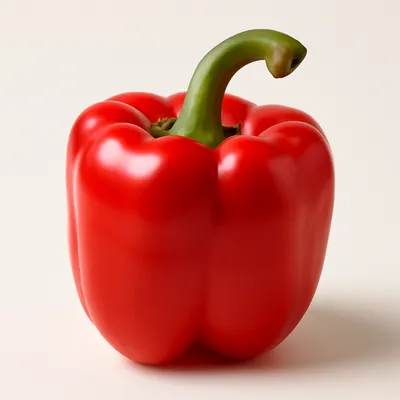




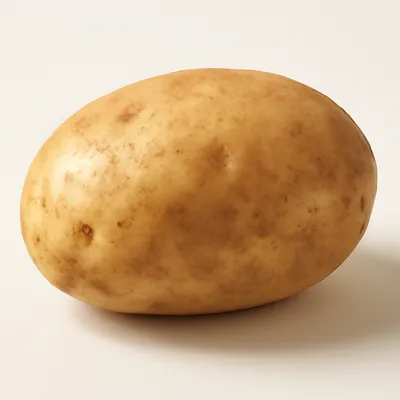



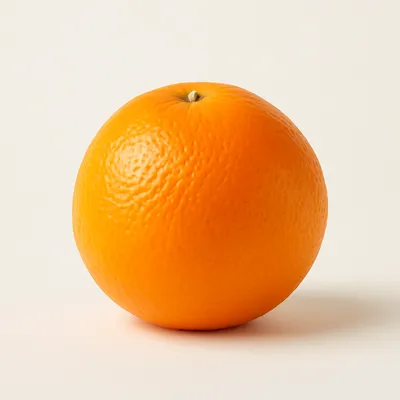


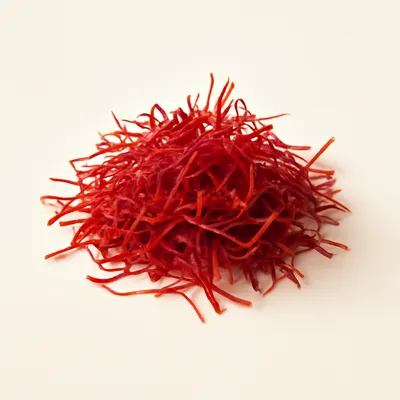
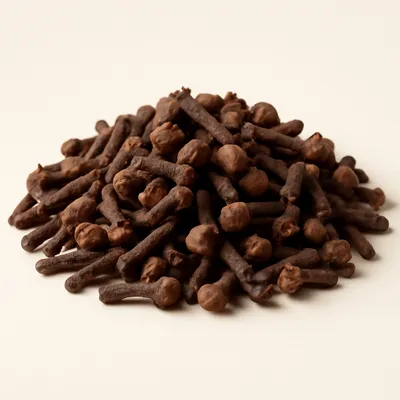
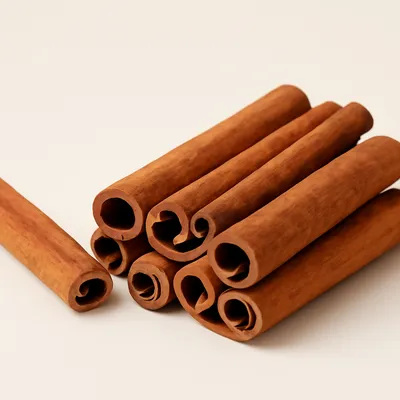
Grains & Staples
















How They Cook
Techniques that define this cuisine
Kindred Kitchens
Cuisines built on the same signature ingredients
Other regions
Siblings within Spanish — each its own tradition.
Signature Dishes (44)
Browse all 44 dishes›


Starters
18