


Castilian Spanish
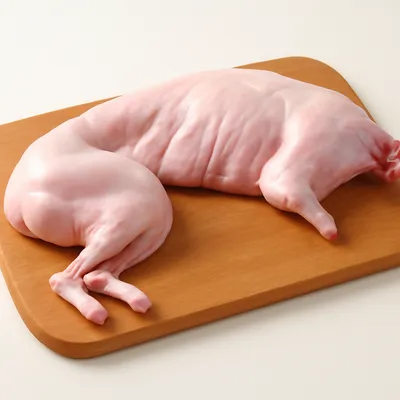
Cochinillo: roast suckling pig.
Tortilla Española
Classic Spanish thick omelette of sliced potatoes and onions slowly cooked in olive oil, served at room temperature
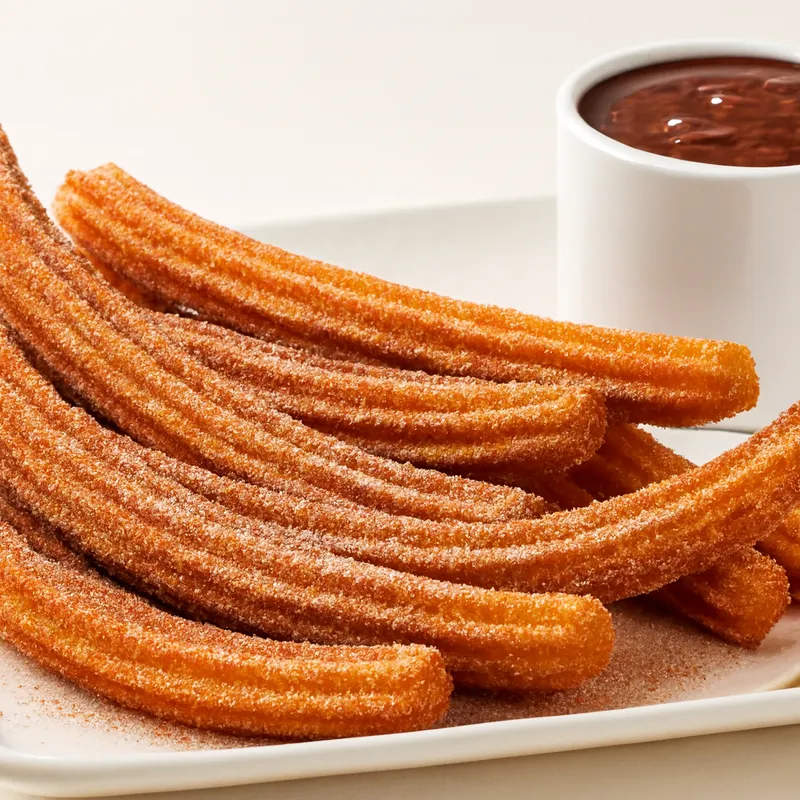
View page →Castile sits on the Iberian central plateau (meseta) — wheat, sheep, wine country, and the home of formal Spanish (the dialect spoken here became the standard). Cochinillo asado is Segovia's signature: a 21-day-old suckling pig roasted in wood-fired ovens until the skin is crisp enough to be carved with a plate's edge. Lechazo asado is milk-fed lamb cooked the same way, the Burgalese specialty. Tortilla española — potato-onion omelette served warm or room-temperature, sliced like a cake — is the universal Spanish bar snack. Patatas bravas: fried potato cubes with spicy tomato sauce and aioli. Churros con chocolate: fried-dough sticks dipped in thick hot chocolate, the morning-after-clubbing or weekend-breakfast ritual. The cuisine is meat-heavy, wood-fired, and the most-canonically 'Spanish' of all Spanish regional cooking.
The Palate
Start Here
Potato slices and onions cooked low-and-slow in olive oil until soft, then bound with beaten egg and cooked in a pan, flipped onto a plate halfway through. Eaten warm or cold.
Why start here · Tortilla española is the universal Spanish dish — every bar in Spain serves it, every household has an opinion on potato thickness and whether to include onion.
Star-tipped fried dough sticks, crisp outside and chewy inside, dipped into thick hot drinking chocolate. The post-clubbing breakfast and Sunday morning ritual.
Why start here · Churros are not dessert — they are breakfast or the 6 AM post-party ritual at 100-year-old chocolaterías like Madrid's San Ginés.
The Pantry




See all 101 ingredients›










Fruits


Herbs & Spices


















How They Cook
Techniques that define this cuisine
Other regions
Siblings within Spanish — each its own tradition.


