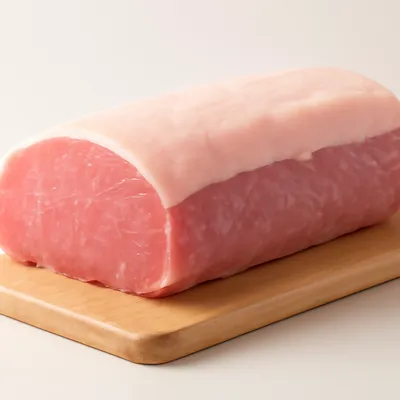
A warm, rustic Aragonese dish of eggs cooked in an earthenware cazuela with cured pork — sliced longaniza or chorizo and pork loin — bound in a garlic, paprika, and white-wine sauce. The sausage and meat are browned in the clay pot, a paprika sauce is built around them, and the eggs are slid in to set in the heat of the dish. Despite the name, it has nothing to do with Córdoba's cold tomato salmorejo: this is a hot meat dish, and the word here means a spiced brine-style sauce.




A traditional dish of the Aragonese countryside, long eaten at midday by farm workers and shepherds, its precise origin unrecorded. The name comes from the Aragonese word 'salmorra' — a salt-and-oil brine used to preserve meat in Aragón and Old Castile, in which fried cured pork was kept submerged in seasoned oil with garlic and spices; the cooked dish takes its name from that preserving sauce. The Aragonese 'salmorrejo' (with a double r) is a hot, meat-and-paprika preparation and shares only an etymological root with the single-r Andalusian salmorejo of Córdoba, a cold tomato cream.
A bubbling clay dish: rounds of paprika-red sausage and slices of pork sitting in a brick-coloured, oil-slicked sauce, with eggs whose whites have just set while the yolks stay soft and runny. The sausage is salty and smoky, the sauce garlicky and rounded by wine, and the soft yolk loosens into it as you break it. Eaten straight from the cazuela with plenty of bread to mop. Served very hot — the clay keeps it sizzling at the table.
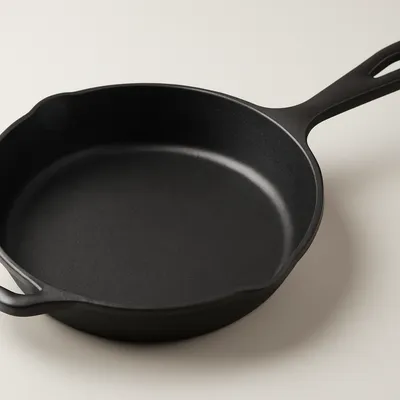
The clay cazuela is doing the cooking: earthenware holds and radiates a steady, even heat, so once the sauce is hot the eggs poach gently in it from below and from the dish's residual heat, setting the whites without toughening the yolks the way a hot metal pan would. The paprika is stirred into warm fat off direct high heat so its pigment and aroma dissolve into the oil rather than scorching — pimentón burns and turns bitter above roughly 150 °C. A splash of white wine deglazes the browned sausage fat and its acidity lifts the rich, salty meat.
Variations
The meat changes with what the household cured at the matanza (the home pig slaughter): longaniza is common, but chorizo, pork rib, or pork loin all appear, and Aragonese cooks may add jamón — including DOP Jamón de Teruel, Spain's first protected ham. Some versions work in green asparagus, and the sauce may be thickened lightly with a little flour. It should not be confused with the Andalusian salmorejo (a cold Córdoban tomato-and-bread cream) or with the Canarian conejo en salmorejo (a wine-and-vinegar braised rabbit).
On the Palate
Where Huevos al Salmorrejo Aragonés sits in the Spanish flavor cloud
Ingredients
Serves 4

How it's made
6 steps · 15 min
- 15 min
Peel the longaniza or chorizo and slice it into rounds; cut the pork loin into thin slices.
- 28 min
Heat olive oil in an earthenware cazuela and brown the sausage and pork loin, then push them to the side.
- 33 min
Add the chopped garlic to the oil and soften it, take the pot off direct high heat and stir in the paprika.
Watch outTake the pot off high heat before stirring in the paprika — pimentón scorches and turns bitter above about 150 degrees, so let the fat cool a touch first.
- 45 min
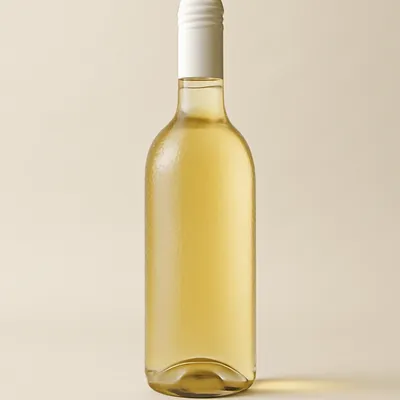
Pour in the white wine to deglaze, add a little water, season with salt, and let the sauce simmer briefly to come together.
- 56 min
Crack the eggs into the bubbling sauce around the meat and let them cook until the whites set but the yolks stay soft.
Watch outCrack the eggs into the bubbling sauce and let the earthenware's steady heat set the whites while the yolks stay soft — that even, gentle heat is the cazuela's whole job.
- 62 min
Serve at once from the cazuela with plenty of bread.
Archive tool suggestions — not reviewed
These legacy suggestions have not been evidence-reviewed and are not presented as required tools.