
An Asturian stew of large white fabe de la granja beans simmered with small clams in a light saffron-and-paprika broth. It is the maritime counterpart to fabada: where fabada is built on cured pork, fabes con almejas carries no meat, the beans instead taking on the brine of the clams. The beans and clams are cooked separately and married at the end, bound by a sofrito of onion, garlic and parsley. Served in a deep bowl as a one-pot main along the Asturian coast.





Asturias, the rainy green region above the Cantabrian coast, where the Granja Asturiana bean and a long shellfish-gathering tradition meet. The dish took shape in the 19th century as coastal peasant fare — a lighter, meatless cousin of the inland fabada eaten away from the mining valleys. Its foundation is the Faba Asturiana, the flat creamy 'de la granja' white bean grown across the region; that bean carries EU Protected Geographical Indication (PGI) status, registered in 1996.
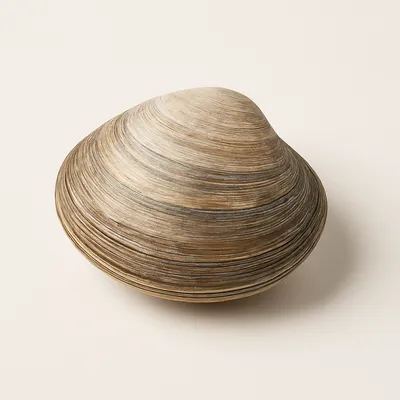
Pale ivory beans the size of a thumbnail, intact and creamy, in a thin golden broth slicked with olive oil and tinted by saffron. Open clam shells sit among them, the meat plump and saline. The flavour is gentle and clean — sweet starch from the bean against the iodine brine of the clam — with a faint warmth from paprika and a green lift of parsley. Eaten warm, never fridge-cold, with bread to wipe the bowl.
Two pots, two clocks. The fabe is thin-skinned and starchy: soaked overnight, then brought to a bare simmer and 'scared' with a splash of cold water two or three times (asustar) so the skins stay whole while the interior turns to cream — vigorous boiling splits them. The clams open in their own liquor in seconds; overcooking turns them to rubber, so they go in only at the finish. A sofrito of slow-sweated onion and garlic plus a pinch of paprika bloomed in warm oil carries the seasoning, and the beans' released starch lightly thickens the combined broth without flour.
Variations
The closely related verdinas con almejas swaps the big white fabe for the small green verdina bean; richer versions add prawns or langoustines alongside the clams; some cooks finish with a little dry white wine or cider; a thicker home style mashes a ladle of beans back into the broth to bind it, while restaurant versions keep the broth looser and the beans whole.
On the Palate
Where Fabes con Almejas sits in the Spanish flavor cloud
Ingredients
Serves 4


How it's made
7 steps · 12 hours
- 1720 min
Soak the fabes in cold water overnight, at least 12 hours.
- 290 min
Purge the clams in cold salted water for 1-2 hours, then rinse.
- 3150 min
Drain the beans, cover with fresh cold water, bring to a bare simmer and skim; cook gently, 'scaring' with a splash of cold water two or three times, until tender, about 2 to 2.5 hours.
Watch outBring to a bare simmer and 'scare' the beans with cold water two or three times — vigorous boiling splits the thin skins; the temperature drop keeps them whole while the inside turns creamy.
- 412 min
Make a sofrito: sweat chopped onion and garlic in olive oil until soft, stir in paprika off the heat, then add chopped parsley and a pinch of saffron.
- 55 min
Stir the sofrito into the cooked beans and let the broth settle and thicken slightly.
- 65 min
In a separate pan, open the clams over high heat with a splash of the bean broth until the shells gape, then tip them with their liquor into the beans.
Watch outOpen the clams only at the finish, just until the shells gape — seconds too long and they turn to rubber.
- 73 min
Season with salt, simmer together for 1-2 minutes only, and rest off the heat before serving with bread.
Archive tool suggestions — not reviewed
These legacy suggestions have not been evidence-reviewed and are not presented as required tools.


