A Galician tapa of pork loin cut into bite-sized cubes, marinated in garlic, pimentón, white wine and oregano, then fried fast in hot oil. It is served as a ración (sharing plate) rather than a stew — the pieces come out browned outside and juicy within, classically alongside fried potatoes and Padrón peppers. Raxo is everyday bar and home food across A Coruña, Lugo and Santiago.
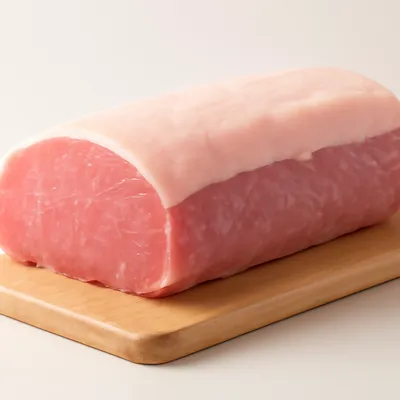




In northern, coastal Galicia the word raxo denotes the pork loin specifically (distinct from the Castilian lomo), and the dish takes its name from the cut. Pork was the everyday meat of inland and rural Galicia, and a quick fry of marinated loin became a standard bar ración over the past century, especially around A Coruña, Lugo and Santiago de Compostela; the exact date it took its current form is unrecorded. It is the pan-fried tapa counterpart to caldeirada de raxo, the Galician stew built from the same cut.
Cubes browned and faintly crisp at the edges, the inside still pale and juicy. The garlic and pimentón coat the surface savoury and warm, the white wine reading as a light tang underneath, oregano in the background. Eaten hot with a toothpick or fork off a shared plate, sopping up the paprika-tinged oil with bread. Loin is lean, so overcooked raxo dries out fast — the pieces want a hard, brief sear, not a long fry.
Two things carry the dish. The marinade — garlic, pimentón, wine, oregano, oil — has hours of off-heat contact with the raw cubes, during which fat-soluble paprika and garlic aromatics diffuse into the meat surface and tint it; an overnight rest deepens both colour and flavour. The fry is a Maillard sear: oil hot enough that the surface browns within a minute or two while the lean loin stays just-cooked inside. The paprika goes onto the meat in the marinade, not into screaming-hot oil, which keeps it from scorching bitter past about 130°C.
Variations
The canonical bar plate is raxo con patatas y pimientos de Padrón (with fried potatoes and Padrón peppers); some cooks add a splash more white wine, others a touch of oregano or bay; cubes may be served grilled a la plancha instead of deep-fried. It shares its marinade logic with zorza, the coarser chorizo-spiced pork mince, and is the dry-fried sibling of the stewed caldeirada de raxo.
On the Palate
Where Raxo sits in the Spanish flavor cloud
Ingredients
Serves 4
How it's made
5 steps · 30 min
- 15 min
Cut pork loin into bite-sized cubes.
- 210 min
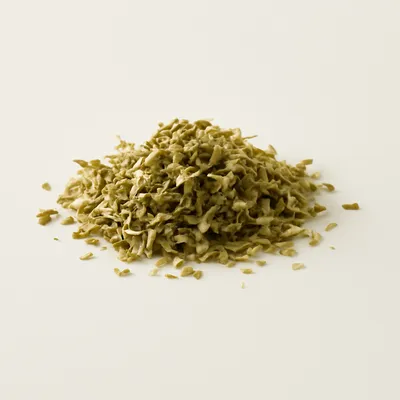
Toss the cubes with thinly sliced garlic, pimentón, oregano, salt, a splash of white wine and olive oil; cover and marinate, ideally overnight in the fridge.
Watch outGive it a real overnight rest in the fridge — hours of cold contact is what lets the paprika and garlic soak into the surface and tint the meat.
- 33 min
Drain the cubes from the marinade and pat the surface dry so they sear rather than steam.
Watch outPat the cubes dry after draining — surface water makes them steam grey instead of searing brown, so a dry surface is what gets the crust.
- 410 min
Fry in hot olive oil in batches, turning, until browned outside and just cooked through.
Watch outFry in batches in hot oil so it browns in a minute or two while the lean loin stays just-cooked — crowd the pan and it stews out juice instead.
- 52 min
Serve hot on a shared plate, classically with fried potatoes and Padrón peppers.
Archive tool suggestions — not reviewed
These legacy suggestions have not been evidence-reviewed and are not presented as required tools.