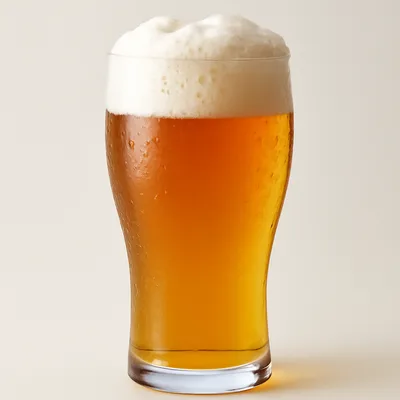
A Bavarian beer-and-lemon-soda shandy, mixed roughly half-and-half from a pale lager and clear lemon-lime soda (Zitronenlimonade). The dilution drops the alcohol to around 2-3% and turns the beer into a sweet-tart, low-bitterness summer refresher. It is the default beer-garden order for anyone who wants to drink through a hot afternoon without getting drunk, and is sold bottled by every major German brewery.
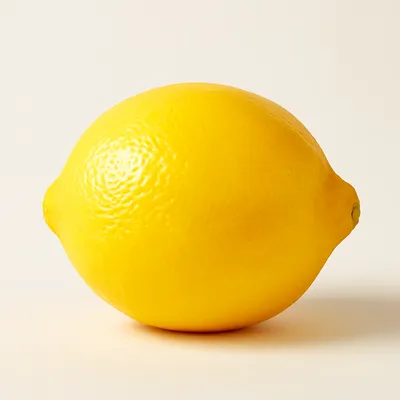


The name means 'cyclist' (from Rad, 'wheel/bicycle'), and the popular origin story credits innkeeper Franz Kugler of the Kugleralm in Deisenhofen, just south of Munich. On a hot June day in 1922, so the story goes, thousands of cyclists arrived along a bike path Kugler had cut through the woods to his inn; running low on beer, he stretched it with lemon soda and named the half-and-half pour Radlermass ('cyclist's litre'). Beer cut with fizzy lemonade is documented in Germany before this — references appear as early as 1912 — so Kugler is better understood as the man who popularised and named the drink than as its sole inventor. In northern Germany the same idea is often called Alsterwasser, after Hamburg's Alster lake.
Pale straw-gold and lightly fizzy, much paler than the lager it started as. The first sip is sweet-citrus up front, then a faint malt body underneath, with the beer's bitterness almost gone. It drinks like a grown-up lemonade rather than a beer — light enough to down in long pulls on a hot day. Served cold in a half-litre mug or a tall glass, no foam ceremony required.
There is no cooking — the drink is built by dilution, and the ratio is the whole technique. Cutting lager roughly 1:1 with sweetened lemon soda halves the alcohol and the bitterness in one move: the soda's sugar and citric acid mask the hop bitterness on the palate, while the carbonation keeps it lively. Pour the soda first and the beer on top, or pour gently down the side, to avoid a runaway foam head. Use a crisp, clean lager rather than a hoppy or dark beer, and a real lemon soda rather than cola, or it stops tasting like a Radler.
Variations
Bavarian canonical (lager + lemon soda); Russ' or Russn (Hefeweizen + lemon soda, the wheat-beer version); Alsterwasser is the northern German name for the same mix; Cola-Radler (Diesel/Krefelder) swaps the soda for cola; Sauer-Radler uses unsweetened sparkling water for a drier result; commercial bottled Radler from brands like Paulaner, Erdinger and Schöfferhofer is sold pre-mixed and even alcohol-free.
On the Palate
Where Radler sits in the German flavor cloud
Ingredients
Serves 1How it's made
5 steps · 3 min
- 11 min
Chill both the lager and the lemon-lime soda thoroughly.
- 21 min
Pour the cold lemon soda into a half-litre mug first, filling it about halfway.
Watch outPour the soda in first and the lager gently on top down the side — go the other way and the beer foams up and runs over.
- 31 min
Tilt the mug and slowly pour the lager down the side on top of the soda, to keep the foam under control.
- 41 min
Aim for a roughly 1:1 ratio; do not stir hard, as the carbonation mixes it.
- 51 min
Serve immediately while cold and lively, with no garnish.
Archive tool suggestions — not reviewed
These legacy suggestions have not been evidence-reviewed and are not presented as required tools.


