Würzfleisch is the East German (GDR) name and everyday version of Ragout fin: a ragout of cooked pork or chicken in a pale, creamy white-wine sauce, sharpened with lemon and Worcestershire sauce, spooned into small ramekins or shells, topped with grated cheese and breadcrumbs, and gratinéed under top heat until golden. It is served bubbling-hot over or beside a slice of toast, with a lemon wedge and more Worcestershire on the side. Where West German menus kept the French name Ragout fin, in the GDR the same dish was usually listed as Würzfleisch, made with cheaper pork or poultry rather than veal. It was a fixture starter in restaurants and Gaststätten across the East and remains a much-loved Ostalgie classic.




Ragout fin is a refined ragout of classical German and Berlin cuisine — light meat and offal in a white sauce, traditionally veal with sweetbreads, brains, tongue, marrow and chicken breast, bound with a light roux, broth, white wine, anchovies, lemon, cream and stewed mushrooms, then baked au gratin in cups, scallop shells or vol-au-vents. The name is French, but the dish as eaten in Germany is a Berlin restaurant classic. In the German Democratic Republic, where veal and the full range of offal were costly and hard to come by, the everyday form was made with pork or poultry and listed on menus as Würzfleisch ('spiced meat') rather than under the French name. In that simpler guise it became a standard starter in GDR restaurants and Gaststätten, and it is now firmly associated with East German cooking and Ostalgie nostalgia. It is a 20th-century restaurant dish, not an old folk recipe, and no single inventor or founding date is recorded.
Break the golden crust and the ragout underneath is hot, pale and creamy — soft shreds of pork or chicken in a glossy white sauce that tastes of butter and white wine, lifted by a clean sour edge of lemon and the dark, savoury tang of Worcestershire. The cheese-and-crumb top is browned and faintly crisp; the toast beneath goes soft where the sauce soaks in and stays crisp at the rim. Mushrooms, when used, add a quiet earthiness. It eats rich and tangy at once, the sharp seasoning keeping the creamy sauce from turning heavy.
The sauce is a velouté: butter and flour are cooked into a pale roux that never browns, then loosened with broth, white wine and cream so the starch granules swell and gelatinise into a smooth, pourable bind without going gluey. Lemon juice and Worcestershire sauce supply acidity and glutamate-rich savour that cut the dairy fat and keep the pale sauce from tasting flat. The meat is cooked beforehand and only warmed through in the sauce, so it stays tender rather than seizing and toughening at gratin heat. The top is the point of the technique: grated cheese and breadcrumbs under fierce top heat lose moisture and brown through the Maillard reaction, building a crisp, savoury, golden crust over the soft ragout. The small dish concentrates the heat so the surface colours fast while the ragout below only simmers, and the toast acts as a base that absorbs sauce without disintegrating.
Variations
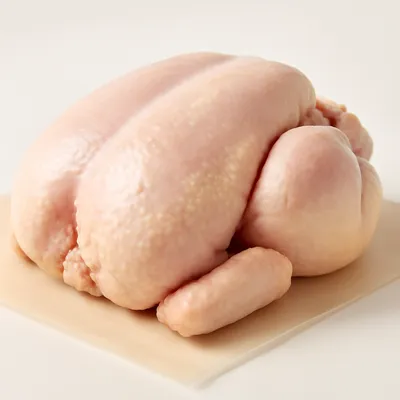
The meat is the main variable: GDR Würzfleisch is most often pork or chicken, sometimes turkey or veal. The classic Ragout fin it descends from is richer, traditionally built on veal with offal — sweetbreads, brains, tongue and marrow — plus chicken breast and mushrooms in a white sauce. Mushrooms are a common addition either way. The cheese-and-crumb gratin top is standard but can be left off for a plainer baked version, and the ragout may be served in ramekins, in scallop shells (en coquille) or in a vol-au-vent pastry case rather than over toast.
On the Palate
Where Würzfleisch sits in the German flavor cloud
Ingredients
Serves 4


How it's made
8 steps · 30 min active + 10 min waiting
- 16 min
Dice or shred the pre-cooked pork or chicken; slice the mushrooms if using.
- 25 min
Melt the butter in a saucepan, stir in the flour and cook gently to a pale roux without letting it colour.
Watch outCook the butter and flour to a pale roux without letting it colour — this stays a white velouté, so keep the heat gentle; any browning turns the sauce beige and nutty instead of pale and clean.
- 35 min
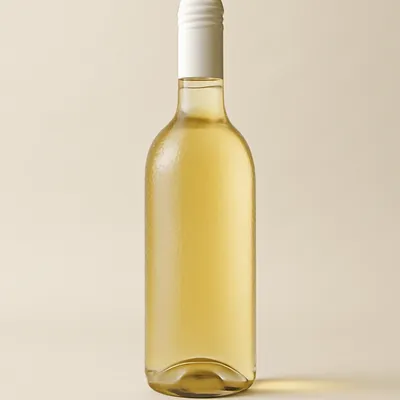
Whisk in the white wine and a little broth, then the cream, stirring until you have a smooth, glossy velouté.
- 44 min
Sauté the mushrooms in a little butter until softened, then stir them into the sauce.
- 54 min
Season the sauce sharply with lemon juice, Worcestershire sauce, white pepper and salt, then fold in the cooked meat and warm through.
- 63 min
Spoon the ragout into small ovenproof ramekins or shells and scatter grated cheese and breadcrumbs over the top.
- 78 min
Gratinate under a hot grill or in a hot oven until the top is golden and bubbling.
Watch outGratinate under fierce top heat only until the top is golden and bubbling — a quick blast browns the crust; linger and the delicate pre-cooked meat underneath seizes and toughens.
- 82 min
Serve at once over or beside a slice of toast, with a lemon wedge and Worcestershire sauce.
Archive tool suggestions — not reviewed
These legacy suggestions have not been evidence-reviewed and are not presented as required tools.


