Berlin sour wheat beer cocktail — 250ml Berliner Weisse (a low-alcohol top-fermented sour wheat beer) poured into a tall wide-mouthed glass and mixed with 30ml of either bright-green Waldmeister (woodruff) syrup or bright-red Himbeer (raspberry) syrup, served with a straw — Berlin's iconic summer drink.
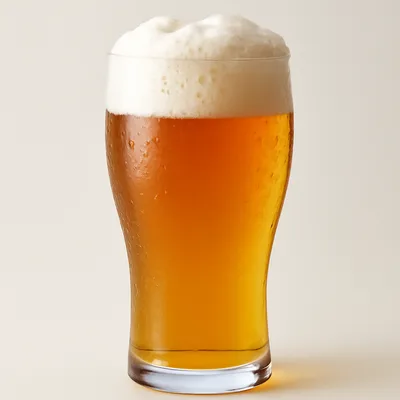
Berliner Weisse is one of the world's oldest extant sour beer styles — documented in Berlin since at least the 16th century, called 'Brandenburger Vollbier' before standardizing as 'Berliner Weisse' in the 17th century. Napoleonic troops called it 'Berliner Champagner' (Berlin Champagne) for its sparkling effervescence. The beer is brewed with wheat and barley, top-fermented with brewer's yeast + Lactobacillus (a sour-souring bacterium that produces lactic acid — unusual for European beers), and aged briefly. The result is a low-alcohol (~2.8-3.8% ABV) cloudy pale-straw beer with intense lactic-sour acidity. Because the sourness is challenging to drink straight, Berliners traditionally cut it with sweet syrups: green Waldmeister (woodruff, with a vanilla-grass flavor) or red Himbeer (raspberry). The dish-as-drink is a cultural artifact — the syrup choice tells you something about the person ordering.
A Berliner Weisse with red Himbeer syrup is a Berlin summer postcard: cloudy pale-straw beer at the top with bright-red syrup pooling at the bottom, the colors gradually mixing as you watch. Sip through the straw from the bottom: pure raspberry syrup hits first (intensely sweet, almost cordial); a sip from the middle gets the mixture (sour-tart-sweet beer dance); the top is pure unsweetened sour beer (puckery, lactic, refreshing). The contrast across the glass is the drink's design. With Waldmeister (green) syrup, the flavor is more herbal-vanilla-grass — a uniquely German flavor that's hard to describe. Either way, the drink is summer-afternoon-perfect at a Berlin Biergarten in Tiergarten.
Berliner Weisse's distinctive sourness comes from Lactobacillus brevis (or other Lactobacillus strains) co-fermenting alongside Saccharomyces yeast. Lactobacillus produces lactic acid (pH ~3.2), giving the sharp pickle-like sourness. The low gravity (low starting sugars) keeps the alcohol low (2-3% ABV), making it a daytime drink. The sweet syrup balances the sourness chemically — sugar mutes the perception of acid in the mouth. The wide-mouthed glass (vs a regular beer glass) is functional: it allows the cloudy beer to release its complex aroma (estery, slightly funky, lactic). The straw lets you sip the layered drink without disturbing the layering — a deliberate sensory experience.
Variations
Berlin canonical with red Himbeer or green Waldmeister syrup; modern Berlin bars offer Holunderblüte (elderflower), Kirsch (cherry), or even hibiscus syrups; American craft brewers have created 'Berliner Weisse-style' beers that are much sourer/more intense than the traditional German version; commercial bottled Berliner Weisse + syrup pre-mixed (Mio brand) exists but lacks the layering ritual; the drink is naturally vegan and low-calorie compared to other beers; can be made non-alcoholic by using sparkling lemon-lime soda + extra syrup — different drink but acceptable substitute.
On the Palate
Where Berliner Weisse sits in the German flavor cloud
Ingredients
Serves 1How it's made
9 steps · 10 min active + 5 min waiting
- 12 min
Procure 250ml Berliner Weisse (the sour wheat beer). Outside Germany, look for: Berliner Kindl Weisse, Berliner Bürgerbräu Weisse, or American craft brewers like New Glarus, Allagash, or Westbrook who brew Berlin-style sour wheat beer. The Bottle should be 330ml ('Klassisch' size). Chill bottle in refrigerator at least 4 hours.
- 22 min
Choose your syrup: traditional options are Waldmeistersirup (green woodruff syrup, brand: Wodka-Gorbatschow or Monin) or Himbeersirup (red raspberry syrup, brand: Monin). Buy a 500ml bottle of either at a German grocery or online. Modern Berlin restaurants also offer Holunderblüte (elderflower) or Kirsch (cherry) syrups.
- 31 min
Get a 400ml tall wide-mouthed glass (Berliner Weisse glass, also called Pokal or Schale). A wine glass or a large wide-mouthed cocktail glass works as a substitute. The wide mouth is important — it allows the beer's aroma to develop and prevents foam overflow.
- 42 min
Chill the glass: place it in the freezer 10 min before serving, or fill briefly with ice water then drain.
- 51 min
Pour 30ml of your chosen syrup into the bottom of the chilled glass. The syrup will sit at the bottom — that's intentional.
- 62 min
Open the chilled Berliner Weisse. Pour it slowly down the side of the glass, starting from a low angle to control the foam (Berliner Weisse foams aggressively — pour slowly!). Fill the glass to within 1cm of the rim.
Watch outTip the glass and pour down the side dead slow — Berliner Weisse foams hard, so keep the angle low or you'll get a wall of head and lose half the pour.
- 71 min
The drink will be naturally layered — bright syrup at the bottom, pale cloudy beer at the top, with a tall white foam head. The traditional way to drink is with a long straw (Strohhalm) inserted to the bottom, allowing you to sip the syrup-and-beer mixture from the bottom up. Modern Berlin bars often skip the straw and just stir.
Watch outDone right it settles into clear layers — bright syrup on the bottom, cloudy pale beer above, tall white foam on top; if it's all one muddy color you poured too fast.
- 81 min
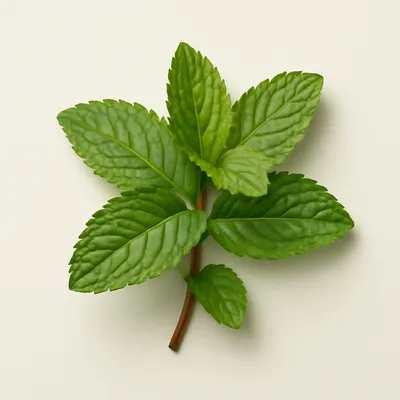
Garnish: optional — add 1 fresh raspberry on the rim for Himbeer, or a small sprig of fresh mint for Waldmeister.
- 93 min
Serve immediately, ice-cold, on a hot Berlin summer day. The drink is light (low alcohol), refreshing, sweet-and-sour. Drink slowly — Berliner Weisse is meant for prolonged afternoon-into-evening drinking, not quick consumption.