
Jordan-Palestine's iconic dessert — shredded phyllo dough (kataifi) layered with mild fresh white cheese (Nabulsi or akkawi), baked until the dough is golden-crispy and the cheese is melted, then drenched in a saffron-orange-blossom-rose-water sugar syrup. Topped with crushed pistachios. The most-recognized Palestinian-Jordanian sweet.



Kunafa (also spelled knafeh, kanafeh) is the universal Levantine-Egyptian-Turkish sweet — Palestine claims invention, with the Nablus city version (Nabulsiyeh) considered the original. Cheese-and-dough sweets soaked in syrup appear in Arabic cookbooks as early as the 10th century (eaten by caliphs at Ramadan); the 13th-century Andalusian-Maghrebi Kitab al-Tabikh records a cheese-stuffed thin pastry, and one tradition traces kunafa to Umayyad-era Damascus as a suhoor meal. Its name's etymology is unsettled (a Turkic/Circassian loan is one claim, an Egyptian origin another). The specific cheese-filled Nabulsiyeh form traces to around 1850 in Nablus — by tradition a Syrian opened a kunafa shop there and, when nuts ran short, used the local salty Nabulsi cheese as filling. The dish is the most-iconic Palestinian-Jordanian sweet, served at weddings, Eid, and family gatherings. The pastry is bright orange-red from food coloring (in commercial versions); homemade versions are golden. Modern Amman and Palestinian-diaspora bakeries serve kunafa as the universal Levantine identity sweet.
Cut into a piece of kunafa — the top is deeply mahogany-golden, crispy, the layer beneath glistens with melted cheese, the brilliant green pistachios on top. Lift with a fork: cheese stretches in long elastic strings (this is the magic moment). Bite: the crispy kataifi crackles, the melted cheese (uniquely mild, salty-creamy) gushes out, the saffron-rose-orange syrup soaks every bite with floral sweetness, the pistachios add nutty crunch and visual beauty. The contrast between the crispy pastry, the soft melting cheese, and the syrupy-floral sweetness is what makes kunafa irresistible. With Jordanian qahwa to balance the sweetness, this is the Palestinian-Jordanian wedding feast — sweet, dramatic, generous.
Nabulsi or akkawi cheese is essential — it must be mild and have a high melting point without releasing too much moisture. Pre-soaking salty cheese in water removes excess salt. Pressing the kataifi firmly creates the crispy structure. Ghee is the traditional fat — its high smoke point and nutty flavor are essential. Pouring cool syrup over hot kunafa (vs hot syrup over cool kunafa) creates the magic — the syrup soaks while the pastry stays crispy. The orange food coloring (optional but traditional) gives the signature appearance.
Variations
Kunafa nabulsiyeh (most-traditional). Kunafa with cream filling (qishta). Kunafa with chocolate (modern). Mini kunafa cups for parties. Modern Brooklyn and Amman bakeries with truffle.
On the Palate
Where Kunafa Nabulsiyeh sits in the Jordanian flavor cloud
Pour the cooled syrup over the hot-from-the-oven kunafa — cool-over-hot is the trick that lets the syrup soak in while the kataifi stays shatteringly crisp; hot syrup over cool pastry turns it soggy.
Ingredients
Serves 8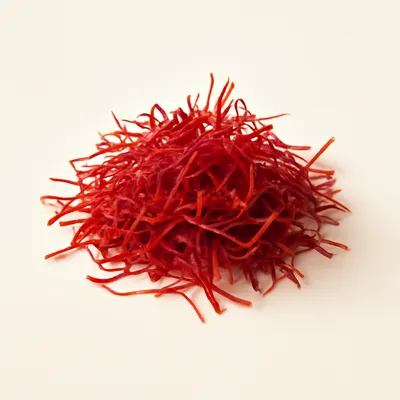



How it's made
13 steps · 45 min active + 45 min waiting
- 122 min
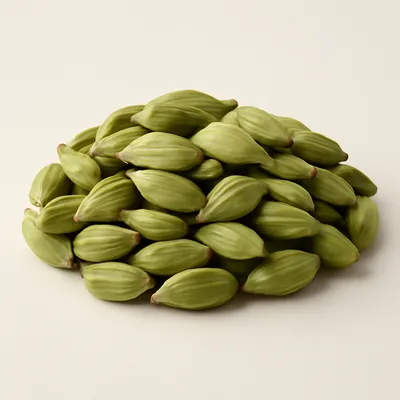
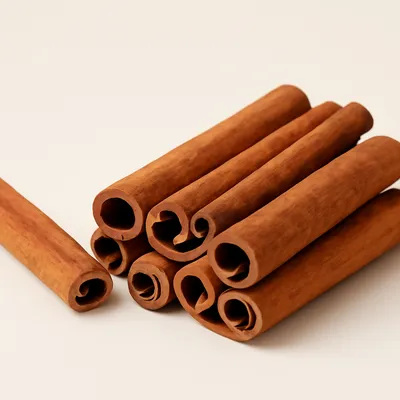
Make syrup: in a pot, combine 500 g sugar + 250 ml water + 1 tbsp lemon juice + 1 cinnamon stick + 4 cardamom pods + 1/4 tsp saffron (steeped in 1 tbsp water); bring to a boil; reduce to medium; cook 15 min until slightly thickened. Add 1 tbsp rose water + 1 tbsp orange blossom water; cool to room temperature. Strain.
- 25 min
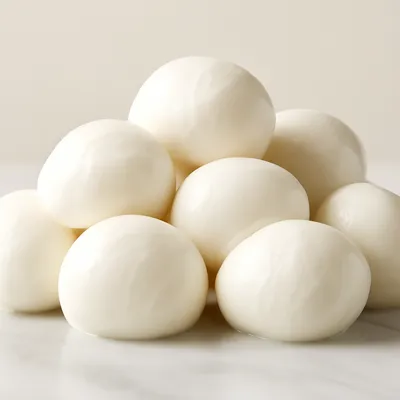
Make filling: in a bowl, mix 500 g fresh Nabulsi cheese (or akkawi cheese, drained and chopped if salty — soak in water 30 min, then drain) + 100 g fresh mozzarella (low-moisture, shredded). The cheese should be at room temperature.
- 33 min
Defrost 500 g kataifi (shredded phyllo pastry). Cut/break into 3-cm pieces.
- 42 min
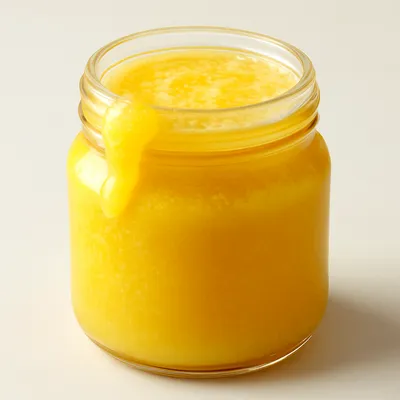
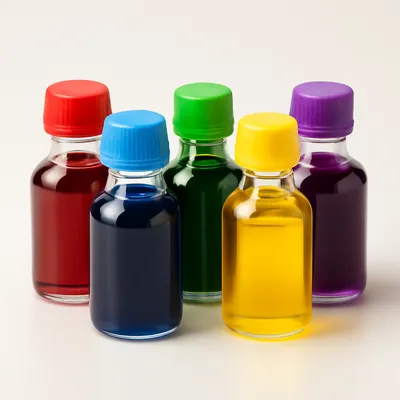
Mix the kataifi with 200 g melted ghee + 1/2 tsp orange food coloring (optional but traditional, gives the signature orange hue).
- 54 min
Press half the kataifi-ghee mixture firmly into the bottom of a 30-cm round buttered pan (or 25 × 35 cm rectangular pan). Press with a spatula to compact.
Watch outPress the bottom kataifi layer hard and even into the pan so the base bakes into one crisp sheet.
- 62 min
Spread the cheese filling evenly over the kataifi layer.
- 72 min
Top with the remaining kataifi-ghee mixture; press firmly to seal.
- 840 min
Bake at 200°C for 35-45 min until the top is deeply golden-mahogany and the cheese is bubbling.
Watch outBake until the top is deep golden-mahogany and you can see the cheese bubbling underneath.
- 92 min
Immediately invert the kunafa onto a serving platter (so the bottom layer becomes the top).
- 102 min
Pour the cooled sugar syrup generously over the hot kunafa — the cheese sizzles and absorbs the syrup.
Watch outThe cheese should sizzle audibly the moment the cool syrup hits the hot pastry — that's the soak happening.
- 111 min
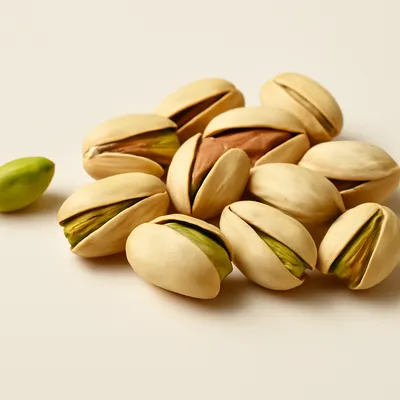
Garnish: sprinkle generously with 100 g coarsely-crushed pistachios (vibrant green).
- 123 min
Slice into squares while still warm — the cheese stretches gloriously when cut. Eat warm; the cheese is at its best gooey-stretchy texture.
- 132 min
Serve with: Jordanian qahwa, Arabic mint tea, or even a glass of Arabic juice.


