
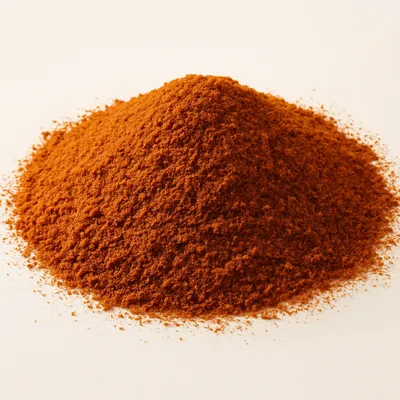
Jordan's everyday tomato-and-onion stew — fresh tomatoes cooked down with onions, garlic, olive oil, sumac, and Arabic-spice baharat until thick and rich. Often topped with eggs (in the shakshuka style) or accompanied by ground beef. Eaten with khubz flatbread. The Bedouin-Jordanian fast and simple weekday meal.




Galayet bandora ('qalayet bandora', قلاية بندورة, literally 'pan-fried tomatoes' — qalaya being the frying pan/the act of frying) is the universal Jordanian-Levantine everyday tomato dish, found across the Levant from Damascus to Amman to Beirut. Though tomatoes reached the Mediterranean with other New World crops in the 16th century, they were long treated as ornamental or suspect and entered Levantine cooking only in the 19th century — tomato use in Ottoman cookbooks rises markedly after the 1840s. The Arabic word for tomato, bandora, itself derives from Italian pomodoro. The Jordanian version distinguishes itself with the addition of sumac and the option to top with eggs (similar to shakshuka). The dish is the universal Jordanian weekday lunch or dinner — quick, fresh, simple, requires only basic ingredients. Modern Amman restaurants serve galayet bandora as both an appetizer and a main course.
Scoop a piece of warm khubz flatbread into the galayet — the bread sinks into the thick red-orange tomato sauce, picking up onions and chunks of fresh tomato. Bite: the tomato is sweet-tart-bright (cooked just enough to bring out the depth), the baharat's complexity hits, the sumac's lemon-tart finish brightens, the cumin's earth grounds, the olive oil's fruity richness binds everything. The optional fried egg on top: rich runny yolk that adds creaminess to every bite. With pita bread for scooping and laban to drink, this is the Jordanian weeknight comfort — fresh, fast, deeply-flavored, perfectly seasonal.
Cooking the tomatoes down 12-15 min concentrates their flavor without losing freshness. Adding sumac twice (in cooking and at the end) layers its flavor. The optional eggs add protein and richness; cooking them on top of the tomato mixture is the shakshuka-style technique adapted to Jordan.
Variations
Galayet bandora with ground beef (heartier). Galayet bandora with sausage. Vegetarian galayet (without eggs or meat). With feta cheese topping. Modern Amman restaurant versions with truffle oil.
On the Palate
Where Galayet Bandora sits in the Jordanian flavor cloud
Ingredients
Serves 4









How it's made
13 steps · 25 min active + 5 min waiting
- 14 min
Chop 8 ripe tomatoes (about 1.2 kg) into 2-cm pieces. Chop 1 large onion finely. Mince 6 garlic cloves.
- 21 min
Heat 1/4 cup olive oil in a heavy pan over medium heat.
- 39 min
Add the chopped onion; cook 8 min until soft.
- 41 min
Add the minced garlic; cook 1 min.
- 51 min
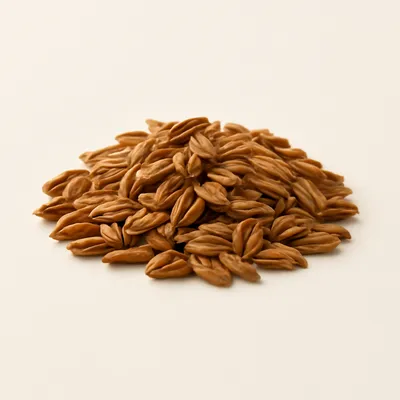
Add 1 tbsp baharat + 1 tsp ground cumin + 1 tsp ground coriander + 1 tsp sumac + 1 tsp salt + 1 tsp black pepper + 1/2 tsp ground allspice; cook 1 min until fragrant.
Watch outCook the spices in the oil just until fragrant — a minute wakes them up, longer and they scorch and turn bitter.
- 62 min
Add the chopped tomatoes + 2 tbsp tomato paste + 1 tsp sugar + 1/2 tsp ground cinnamon; stir.
- 714 min
Cook 12-15 min, stirring occasionally, until the tomatoes have broken down and the mixture is thick.
Watch outCook the tomatoes down until they collapse and the mixture goes thick and jammy — watery here means the flavour hasn't concentrated.
- 81 min
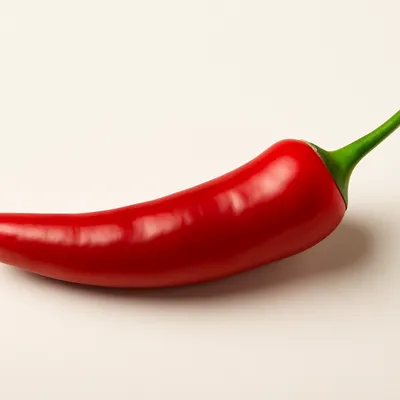
Add 1 chopped jalapeño or chili (optional for heat).
- 96 min
Optional: crack 4 eggs into the tomato mixture; cover and simmer 5-6 min until eggs are just-set (shakshuka style).
Watch outIf adding eggs, cover and steam just until the whites set and the yolks stay soft — a minute too long and they go rubbery.
- 102 min
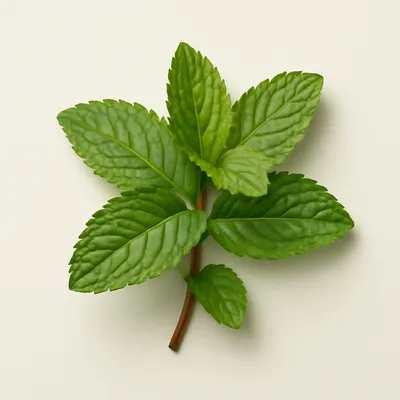
Stir in 2 tbsp chopped fresh parsley + 1 tbsp chopped fresh mint + 1 tbsp lemon juice + 1 tbsp sumac (final addition for brightness).
- 111 min
Drizzle with 2 tbsp extra olive oil.
- 124 min
Serve hot with: warm Jordanian khubz flatbread for scooping. Optional: top with crumbled feta cheese, sliced olives, or labneh.
- 132 min
Drink with Arabic mint tea or Jordanian qahwa.


