Tangy and citrusy, sumac adds a bright, fruity note to dishes. Its deep burgundy color and unique flavor make it a favorite in Middle Eastern cuisine, where it elevates both meats and salads.
Where it comes from
Sumac has been used in Middle Eastern cooking for centuries, known for its vibrant flavor that complements the region's rich culinary traditions.
In the kitchen
Sprinkled over dishes or incorporated into spice blends, sumac contributes acidity and depth, enhancing everything from grilled meats to fresh salads.
Across cuisines
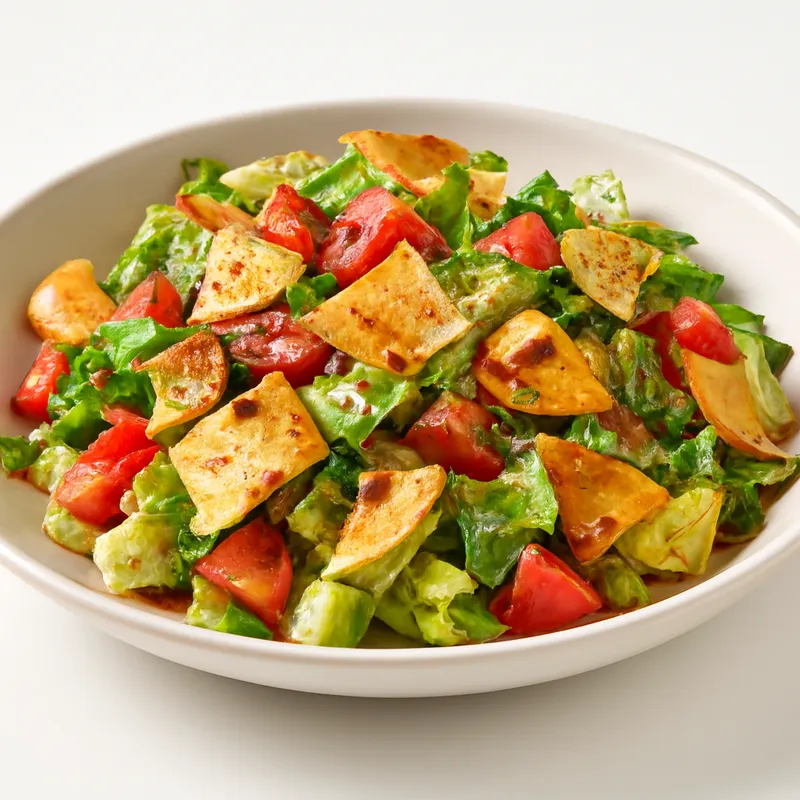
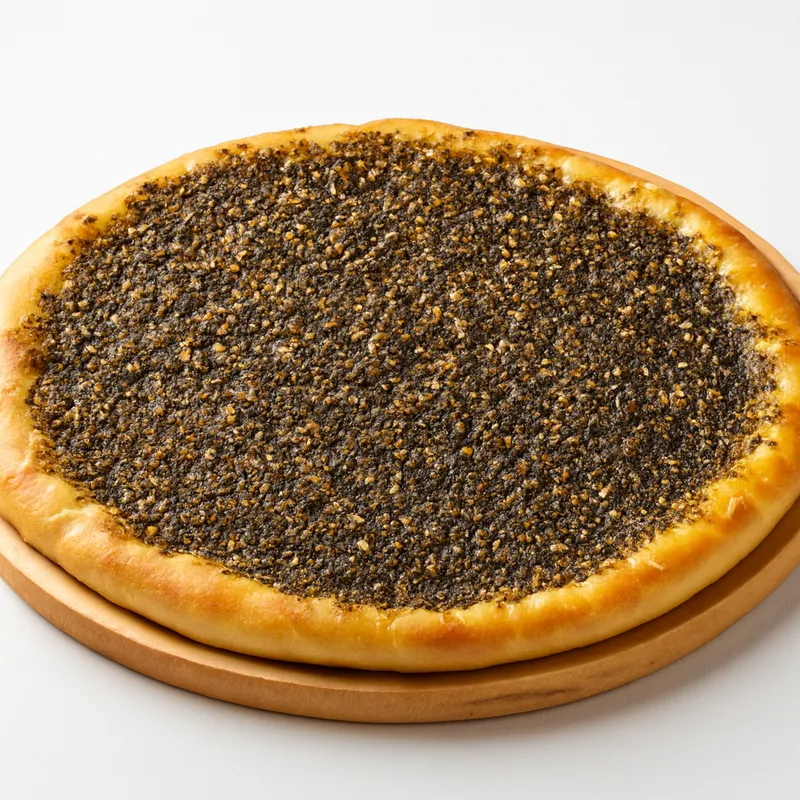
Fattoush salad signals sumac on first glance — the burgundy dust mixed with olive oil and pomegranate molasses over the toasted pita and tomato. Manakish za'atar carries sumac through the morning flatbread. Lebanese cooks distinguish their sumac from Palestinian by source (Tripoli vs Hebron) and grind.
Musakhan is the national dish where sumac belongs: deep red onion confit heavily dusted with sumac, layered with roast chicken over taboon flatbread. The flavor profile is unmistakable — tart, fruity, almost cranberry-like. Sumakiyeh, Gaza's chard-and-meat stew, takes the name from sumac itself.
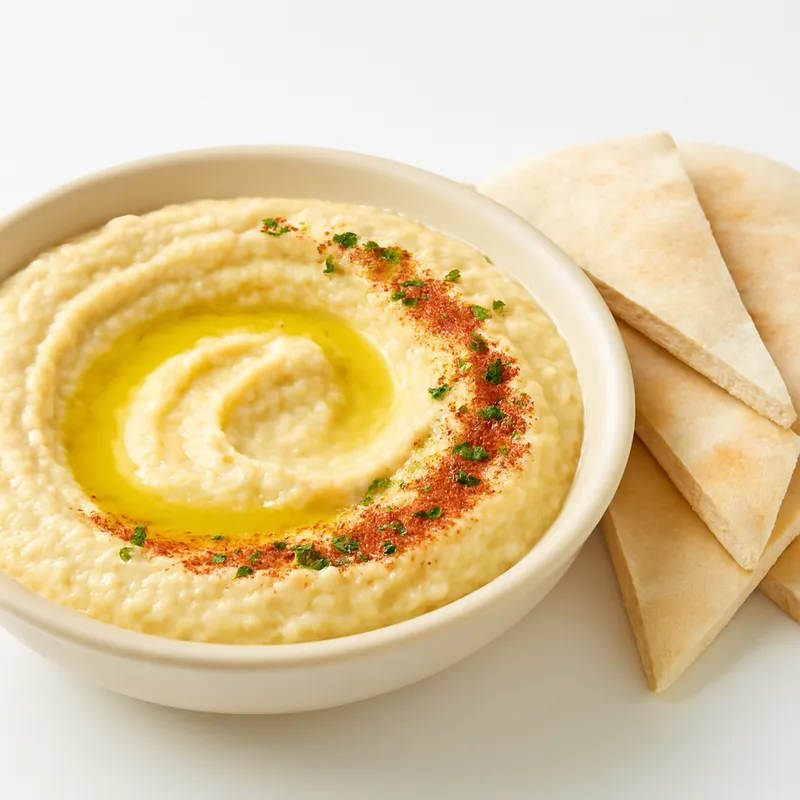
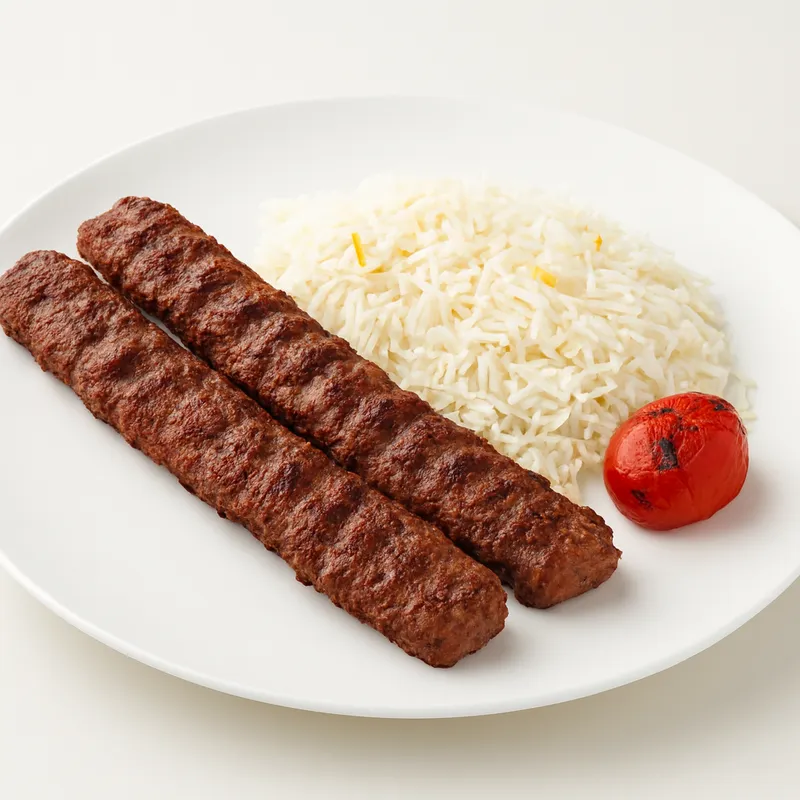
Pan-Levantine sumac is the standard finish for hummus (sprinkled red over the swirl of olive oil) and grilled turkey kebab. Hummus without a sumac dusting reads as half-built. Fattet hummus's pita-yogurt-chickpea layers also get a sumac scatter at the table.
Notable varieties
Sourced from Rhus coriaria berries, dried and ground with salt. Tart, fruity, deep burgundy. The standard culinary sumac across the eastern Mediterranean — never confused with poisonous North American Rhus species.
Often coarser, less salted, and slightly more wine-toned than Levantine grinds. Served unmixed at the table for kebab service; not blended into za'atar.
Historical Sicilian usage from Arab-era trade; almost extinct in modern kitchens but a culinary heritage marker. Identical species, different historical context.
Nutrition (per 100g)
AI-estimated; model and run unavailable.