
Saudi Arabia's date-stuffed shortbread cookies — semolina-and-flour dough flavored with rose water and orange blossom water, stuffed with date paste (or chopped pistachios, walnuts), shaped in carved wooden molds (tabe) to create intricate patterns, and baked until pale-golden. Dusted with powdered sugar. The Eid-al-Fitr and Eid-al-Adha celebration cookie across the entire Arab world.




Ma'amoul (literally 'made/filled' in Arabic, the passive participle of 'amila 'to make') is the universal Arab celebration cookie, made across Saudi Arabia, the Levant, Egypt, and the Gulf states for Eid celebrations. Its lineage reaches back to pre-Islamic Mesopotamia: the ancient Sumerians offered qullupu — a date-stuffed cookie — to the goddess Inanna (Ishtar) at New Year and spring festivals some 4,000 years ago, and food historians trace ma'amoul (along with Iraqi kleicha) to this ancestor. Date-filled cookies are documented in the medieval Arab kitchen — the 10th-century Baghdadi cookbook Kitab al-Tabikh by Ibn Sayyar al-Warraq records recipes for ka'k — while the custom of distributing the cookies for the feast was elaborated in Fatimid Cairo (909–1171), where the caliph handed out stamped cookies bearing the phrase 'eat and be grateful' at Eid al-Fitr. The Saudi version is distinguished by the use of generous rose water and orange blossom water in the dough, and the date-filling variation (other regions use walnut or pistachio more frequently). Carved wooden ma'amoul molds (tabe) have been hand-crafted for generations, with traditional designs varying by family and region. The cookies are baked for both Eid-al-Fitr (the end of Ramadan) and Eid-al-Adha (the Festival of Sacrifice), with families baking hundreds of cookies to share with neighbors and guests. The Saudi tradition is for women to gather days before Eid to bake ma'amoul together; the process is the social-bonding ritual. Modern Saudi bakeries produce ma'amoul commercially for Eid; the homemade version remains the gold standard.
Pick up a ma'amoul — pale-golden cookie about 4 cm wide, with the intricate carved-mold pattern on top, dusted with powdered sugar. Bite: the outer dough crumbles gently in your mouth (semolina creates the signature melt-in-mouth texture), the perfume of rose water and orange blossom water blooms first, then the cardamom and ghee's nutty warmth, then the burst of the date filling — sweet, deeply-fruity, slightly-spiced with cinnamon and cardamom. Each cookie should be eaten in 2-3 small bites. With Saudi qahwa to balance the sweetness, this is the Eid celebration in one cookie — 4,000 years of Arabian tradition.
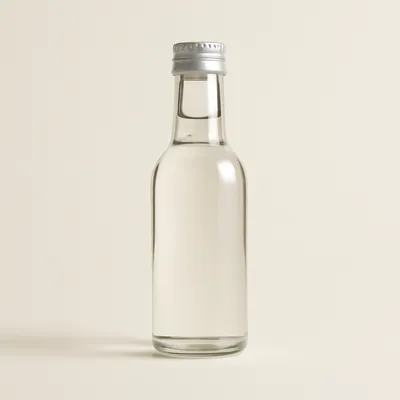
Semolina-flour blend gives ma'amoul its characteristic crumbly-tender texture (semolina alone is too coarse; flour alone is too dense). The high ghee content (200 g per 500 g flour) creates the rich, melt-in-mouth quality and acts as a natural preservative. Rose water and orange blossom water are the signature aromatics — together they create the unmistakable Arabian-pastry perfume. The 1-hour dough rest allows the semolina to fully hydrate. Baking at 175°C (not higher) keeps the cookies pale, which is the traditional Saudi-Levantine look.
Variations
Ma'amoul with pistachio filling (Levantine signature). Ma'amoul with walnut filling. Ma'amoul with apricot jam (modern). Mini ma'amoul for finger food. Ma'amoul shaped in fish-mold (for Christmas in Christian-Arab families). Modern Riyadh bakery versions with truffle. The Levantine-Saudi cookie tradition crosses borders.
On the Palate
Where Ma'amoul sits in the Saudi flavor cloud
Ingredients
Serves 12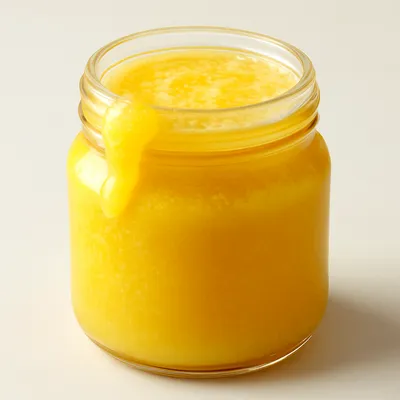




How it's made
13 steps · 1 hour 30 min active + 1 hour 30 min waiting
- 116 min
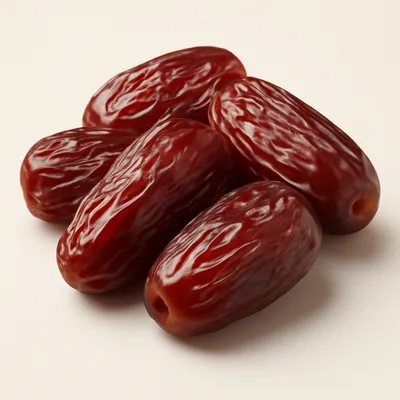
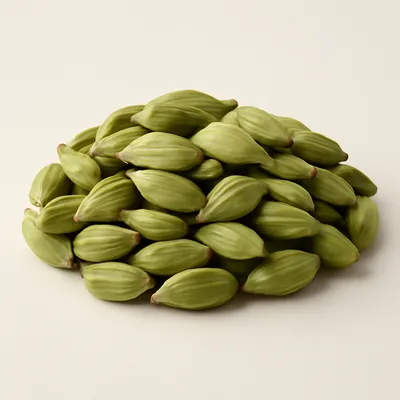
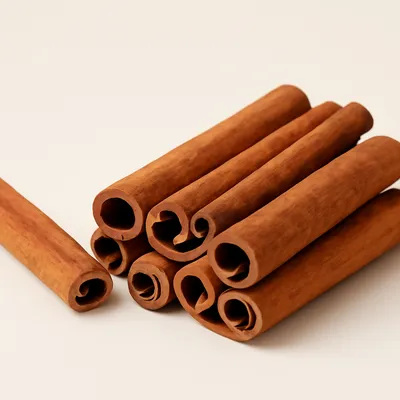
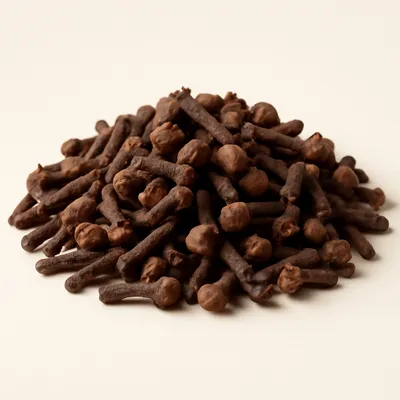
Make date filling: in a pan, combine 500 g pitted Medjool dates + 100 ml water + 1 tbsp butter + 1 tsp ground cinnamon + 1/2 tsp ground cardamom + 1/2 tsp ground cloves; cook over low heat 10-15 min, stirring, until smooth paste. Cool completely.
- 24 min
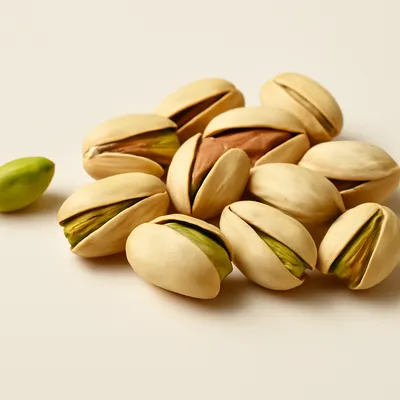
Make pistachio-walnut filling (alternative): combine 200 g chopped pistachios + 200 g chopped walnuts + 100 g sugar + 1/2 tsp ground cardamom + 2 tbsp rose water + 2 tbsp orange blossom water + 3 tbsp melted butter.
- 34 min
Make dough: in a large bowl, combine 500 g fine semolina + 100 g all-purpose flour + 1/2 tsp salt + 1 tsp mahlab (cherry-pit ground spice, optional) + 1 tsp ground cardamom.
- 44 min
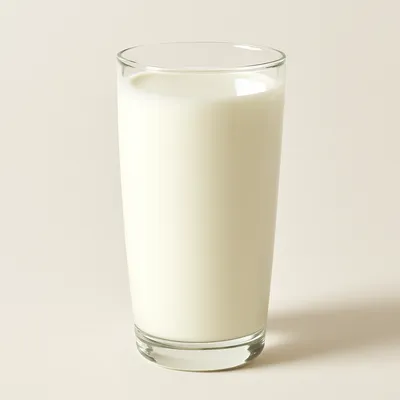
Add 200 g melted ghee (cooled but still pourable) + 50 g sugar + 1 packet (2 tsp) yeast dissolved in 50 ml warm milk + 50 ml rose water + 50 ml orange blossom water + 100 ml warm milk.
- 570 min
Mix and knead 8 min until smooth and pliable. Cover; rest 1 hour at room temperature.
- 68 min
Make filling portions: roll the date paste (or nut mixture) into small balls (10-12 g each, about 25-30 balls).
- 712 min
Make cookies: take a portion of dough (about 30 g); flatten into a disc. Place a filling ball in the center; gather the edges over the filling; seal completely. Roll between palms into a smooth ball.
Watch outPinch the seam fully shut and roll smooth — an open seam splits in the oven and the filling weeps out.
- 812 min
If using a ma'amoul mold: press the filled ball into the mold (lightly oiled if necessary), pressing firmly to imprint the design. Tap the mold to release the cookie.
- 95 min
If not using a mold: shape into a smooth oval (about 4 cm long); use a fork or knife to lightly score a decorative pattern on top.
- 105 min
Place cookies on parchment-lined baking sheets, spaced 1 cm apart.
- 1122 min
Bake at 175°C for 18-22 min — they should remain pale; do not brown. They will be soft when warm.
Watch outPull them while still pale — these are meant to stay blond; any browning means the oven's too hot or they've gone too long.
- 1230 min
Cool completely on a rack; they firm up. Dust generously with powdered sugar.
- 135 min
Store in airtight container at room temperature for 2-3 weeks. They improve overnight as the flavors meld. Serve with Saudi qahwa or tea.


